Scientists Find 3.5-Billion-Year-Old Evidence of Life, Directly Dated For The First Time
 Actually incredible.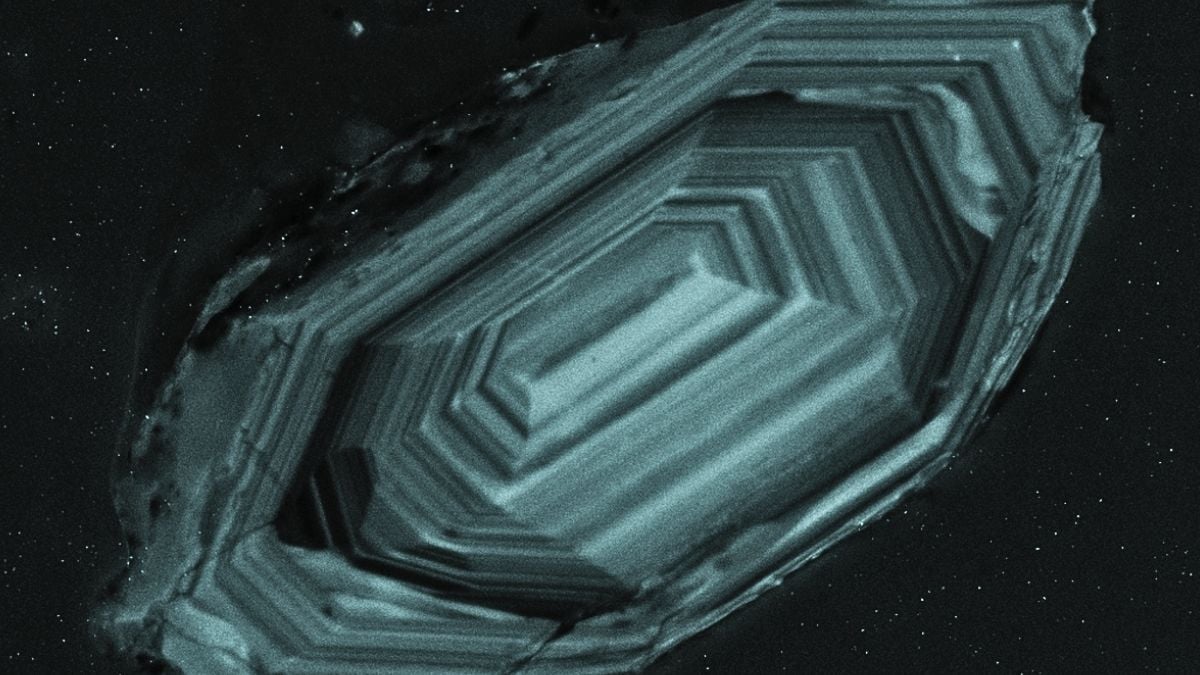
“`html
Researchers have successfully determined the age of what may be Earth’s oldest direct evidence of life, dating microbial remains to approximately 3.5 billion years ago. A team led by geologist Trisrota Chaudhuri of the Geological Survey of India discovered fossilized microbial mats—ancient biofilms where single-celled organisms once thrived—embedded within rock formations at Bhitardari in India. What makes this discovery particularly significant is that scientists were able to directly date the biological material itself, rather than merely estimating the age based on surrounding rock layers.
The research involved multiple analytical techniques to confirm the biological origin of the carbonaceous layer discovered within the ancient chert rock. Using Raman spectroscopy, the team demonstrated that the carbon had experienced temperatures within the range necessary for biological signatures to survive. Analysis of carbon isotopes revealed the distinctive chemical signature characteristic of material produced by living organisms, while the fine, repeating layers of carbon alternating with silica suggested the structure of a preserved microbial community.
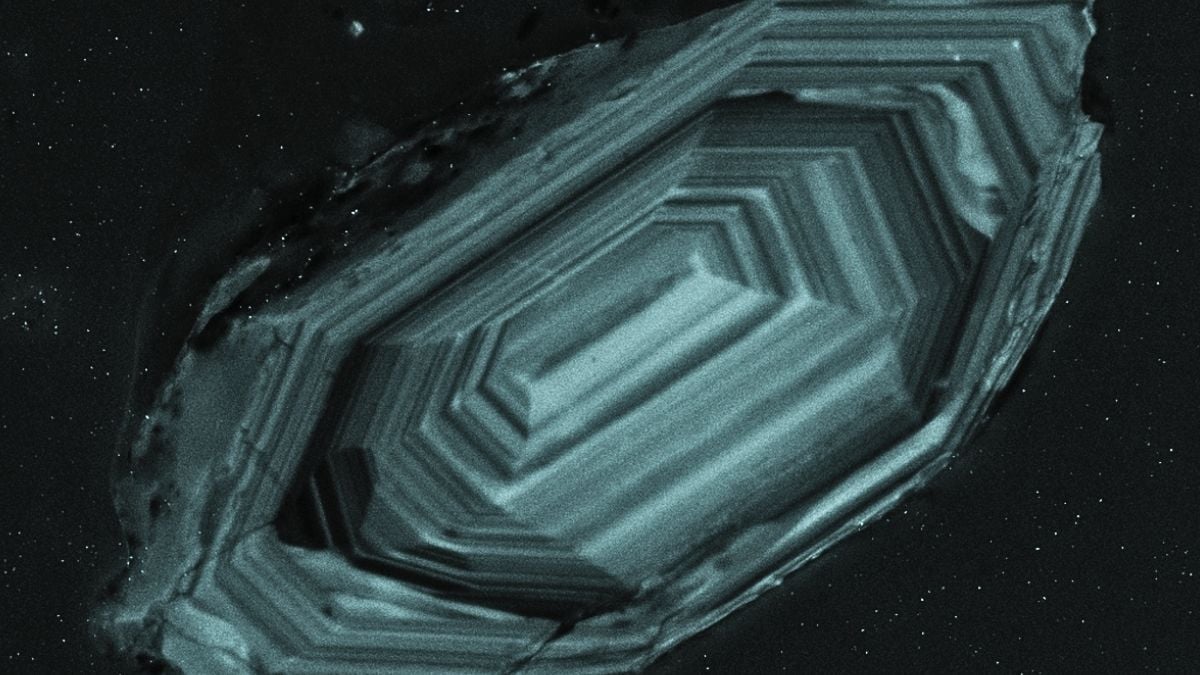
The breakthrough came through the discovery of tiny zircon crystals interspersed with the carbon layers. These crystals, which contain uranium that decays into lead at precisely measurable rates, allowed researchers to establish an age of approximately 3.5 billion years through uranium-lead dating. This represents the first instance where biological evidence and precise radiometric dating have been directly linked in such ancient rock, strengthening scientific understanding of Earth’s earliest life.
“`
Originally reported by Sciencealert →
About the Author