This Week in Science: Ocean ‘Backrooms’, Plastic Cookies, And More!
 Our weekly science news roundup.
“`html
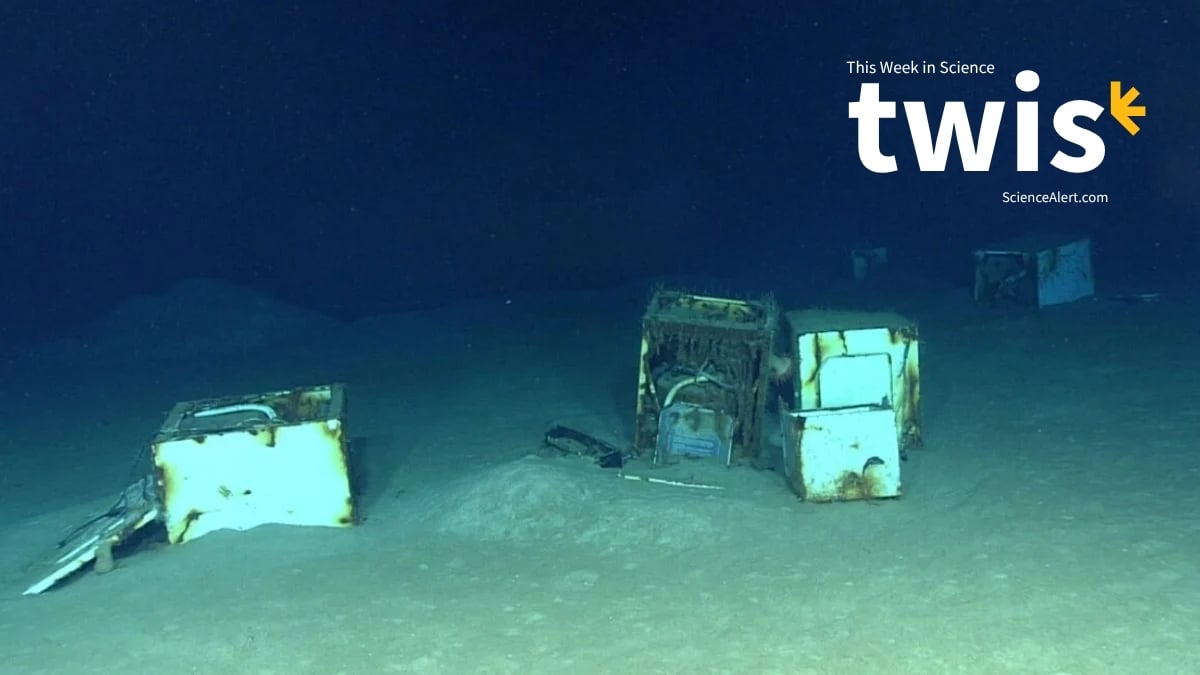
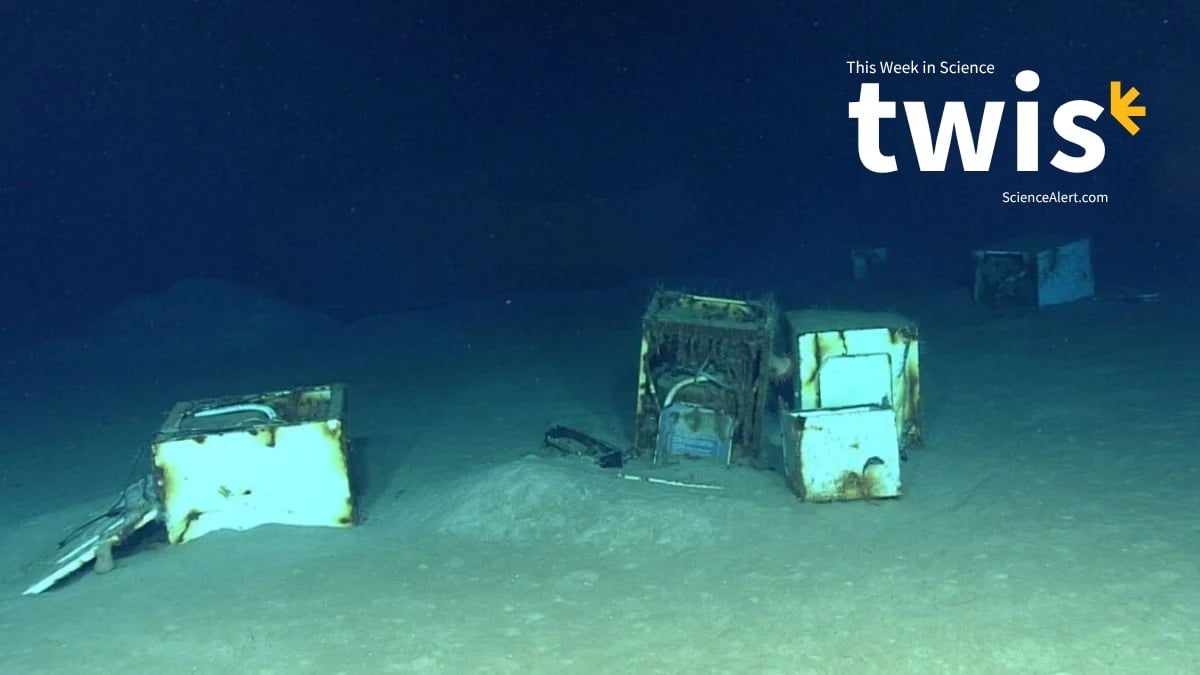
This week’s science roundup features several compelling discoveries spanning marine biology, medical research, and food innovation. Oceanographers exploring the Gulf of Mexico made an unexpected finding when investigating a sonar anomaly they believed to be a shipwreck. Instead of a sunken vessel, the team discovered an otherworldly underwater landscape filled with corroded metal containers on the seafloor, creating an eerie scene reminiscent of unexplored spaces. The expedition, led by marine researchers aboard the Okeanos Explorer, revealed the debris field about 5,000 feet below the surface.
In medical breakthroughs, researchers at the University of South Carolina have demonstrated that Alzheimer’s disease damage can be reversed in laboratory settings. Using a novel injection treatment, scientists successfully restored cognitive function in mouse models with just two administrations, showing measurable behavioral improvements even after a single dose. This represents a significant shift from existing therapies that merely slow disease progression.
Additional noteworthy findings include research on meal timing and longevity, which suggests when you eat may influence lifespan. A large study examined the relationship between eating schedules and health outcomes in American adults. Meanwhile, scientists have developed an innovative approach to plastic waste by creating edible cookies from recycled plastic materials. These products, branded as µBites, have undergone extensive processing to ensure safety and nutritional value, offering a creative solution to plastic consumption.
Finally, researchers compared popular dietary approaches and their effectiveness at reversing obesity-related health issues, with the ketogenic diet showing particular promise for certain cardiometabolic health measures.
“`
Originally reported by Sciencealert →
About the Author