The Hiroshima Atomic Blast Forged a Metal Never Seen Before on Earth
 Discovery from tragedy.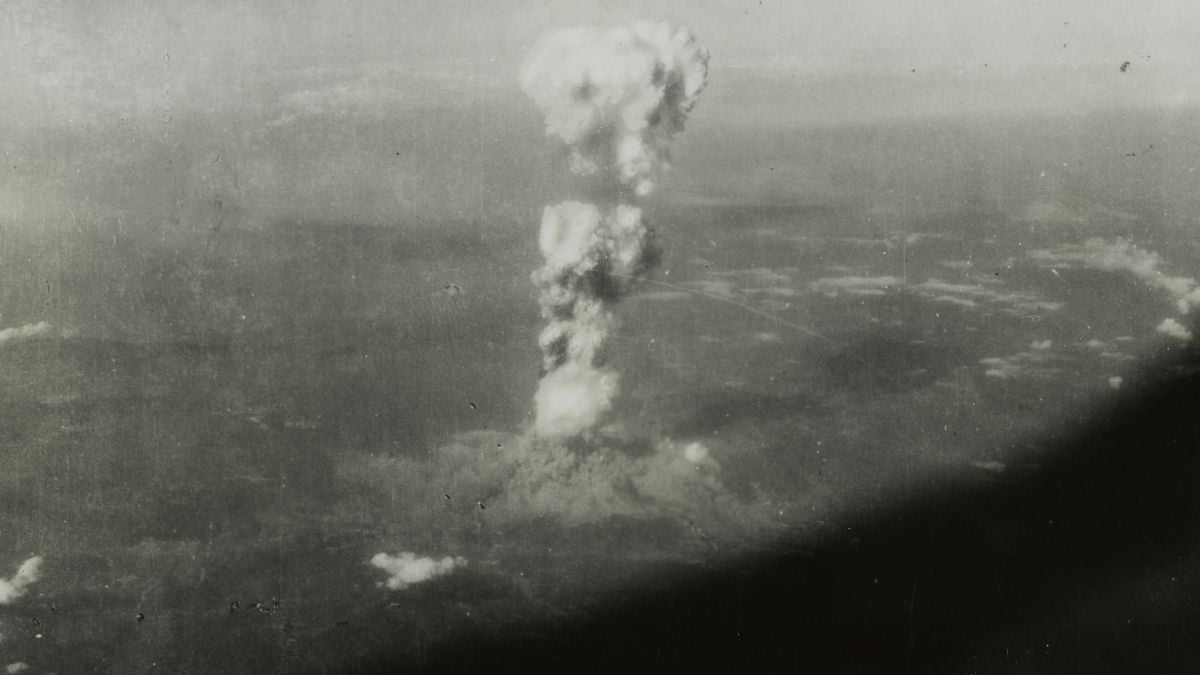
“`html
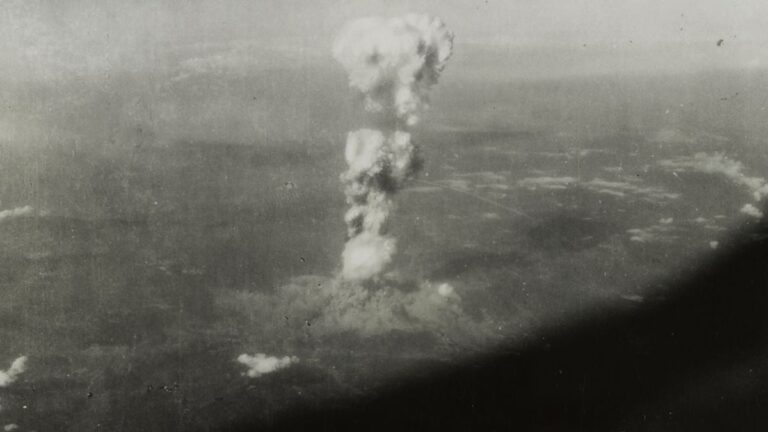
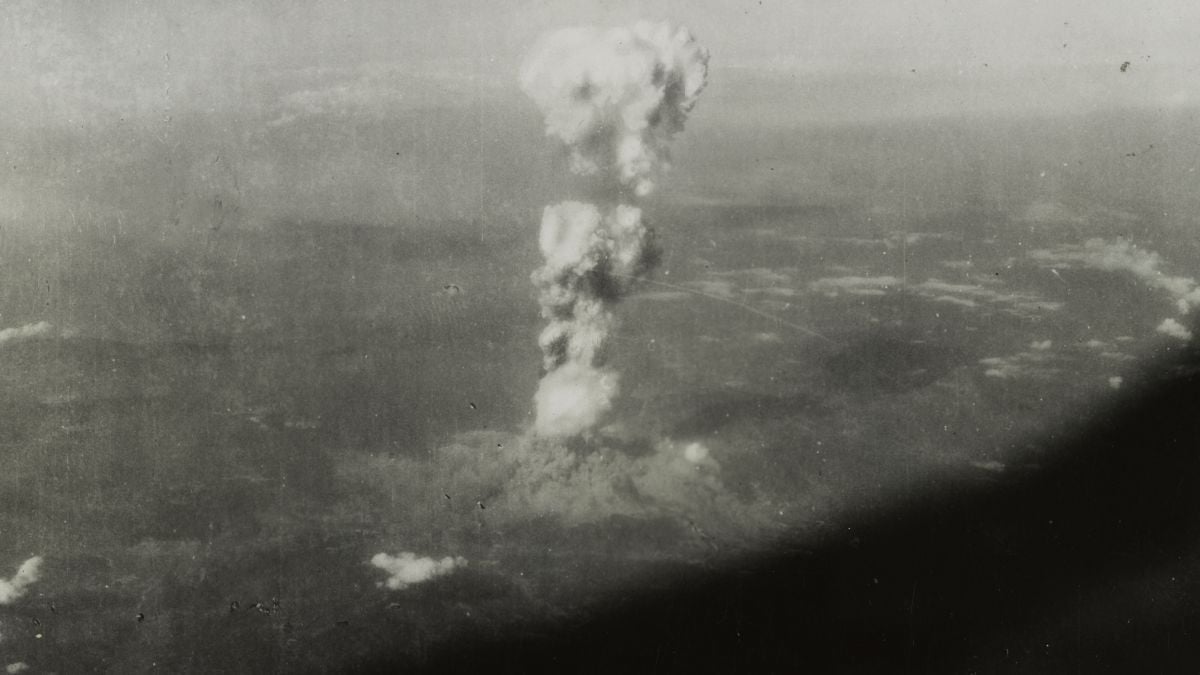
Scientists have identified a previously unknown metallic alloy formed in the aftermath of the atomic bombing of Hiroshima on August 6, 1945. Researchers led by geologist Luca Bindi of the University of Florence discovered the rare material while examining microscopic particles of fallout known as hiroshimaites—tiny glassy spherules created when the bomb’s intense heat vaporized and mixed various materials before they rapidly cooled.
The 15-kiloton explosion generated temperatures exceeding 7,000 degrees Celsius, creating extreme conditions that combined metals, glass, soil, and building materials in ways that would be nearly impossible to replicate in laboratory settings. Among the 34 hiroshimaite samples analyzed using advanced high-resolution techniques, one grain measuring approximately 10 micrometers stood out. The grain contained iron, chromium, silicon, nickel, molybdenum, manganese, and aluminum—an unusual elemental composition on its own, but the real significance lay in its atomic structure.
Using single-crystal X-ray diffraction analysis, researchers determined that the atoms within this grain occupied an extraordinarily complex, highly ordered cubic arrangement known as an AlAu₄-type structure. This contrasted sharply with the simple body-centered cubic patterns found in ordinary steel and other comparison samples. The distinctive configuration formed when the metallic material condensed from vapor and cooled at extraordinary speed, becoming frozen in its complex state before it could reorganize into a simpler, more stable structure.
The discovery underscores how nuclear explosions can create unique materials through their uncontrolled but extreme experimental conditions, potentially revealing new possibilities for materials science research.
“`
Originally reported by Sciencealert →
About the Author