NASA Spots a Bizarre ‘Jellyfish’ Floating on Mars. Here’s What We Know.
 H.G. Wells called it.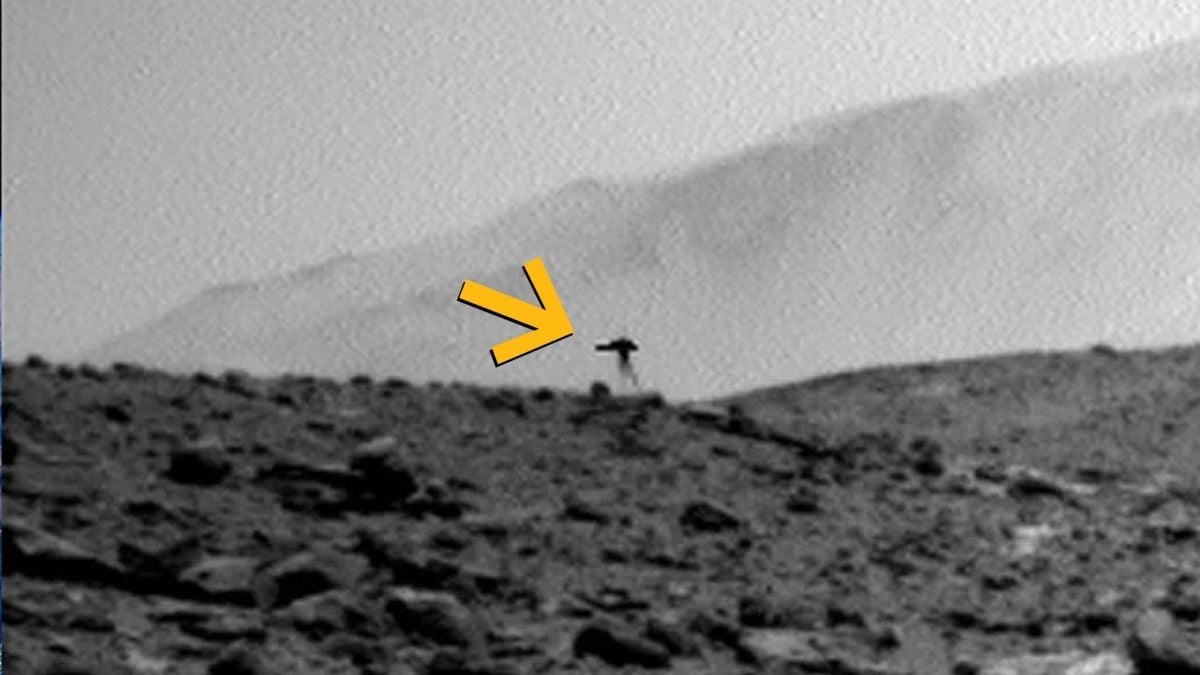
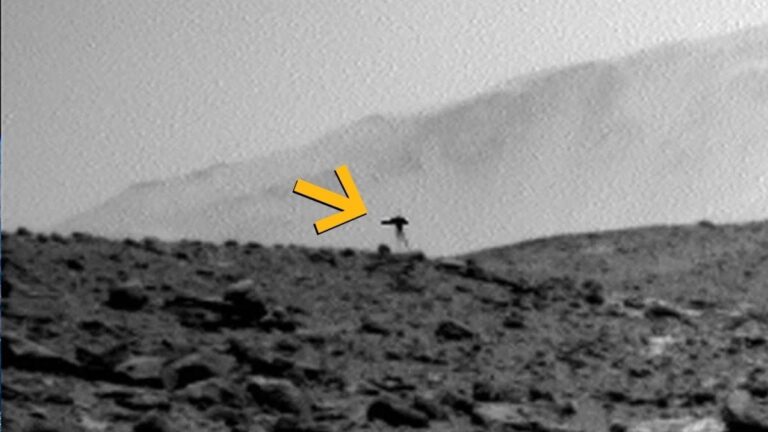
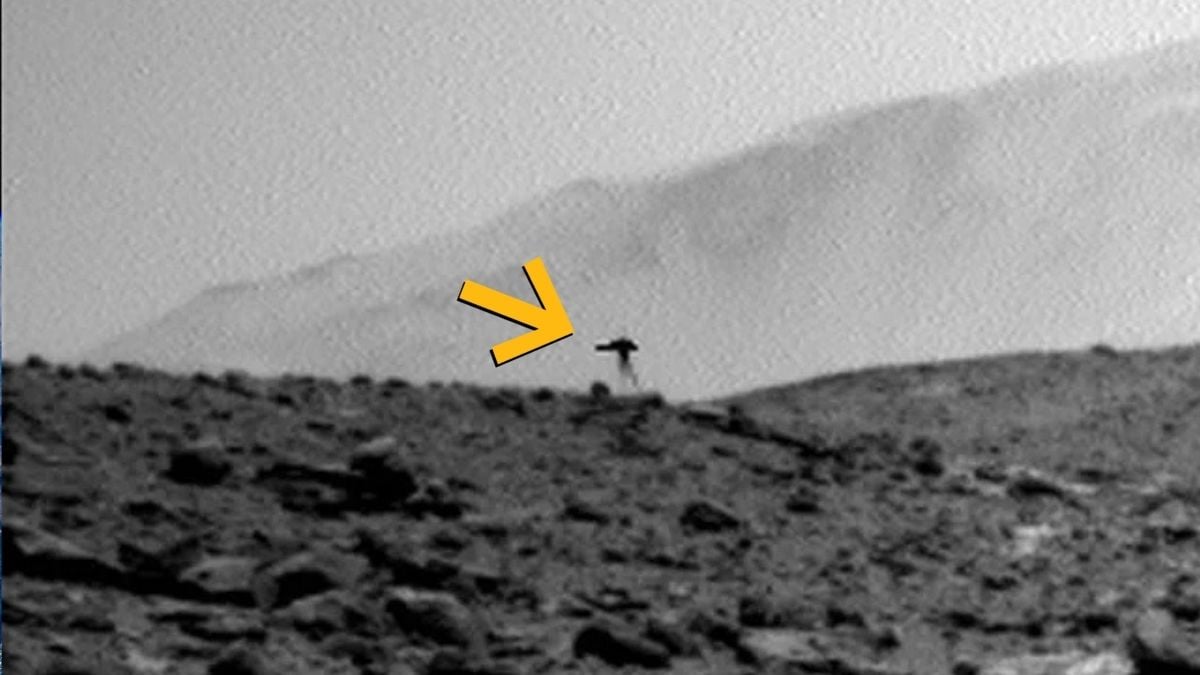
NASA’s Curiosity rover has captured an unusual image on Mars that resembles a jellyfish-like silhouette with trailing tentacles. The photograph, taken in August 2023, has circulated widely among those speculating about extraterrestrial life. However, scientists have a more straightforward explanation for the mysterious dark shape visible in the frame.
The likely culprit behind the apparition is a cosmic ray—a high-energy particle traveling through space that struck Curiosity’s camera sensor. Mars presents an ideal environment for such incidents, lacking Earth’s protective magnetic field and possessing an atmosphere less than one percent as dense. These conditions leave the rover significantly more vulnerable to bombardment from cosmic particles originating from deep space.
The evidence supporting this explanation is compelling. Curiosity routinely photographs the same locations multiple times in quick succession. Images captured of the identical scene just 13 and 25 seconds before the jellyfish photograph show no trace of the mysterious shape, indicating the artifact appeared only momentarily in a single frame. This temporal pattern is characteristic of cosmic ray strikes on camera detectors.
Cosmic ray impacts on Curiosity’s instruments occur frequently, typically appearing as bright white spots or streaks in photographs. Though less common, dark artifacts can also result from these particle collisions. The rover’s imaging team regularly documents these occurrences across thousands of images received from the Martian surface.
Originally reported by Sciencealert →
About the Author