“`html
The artificial intelligence sector has rapidly expanded its specialized vocabulary, introducing numerous technical terms that have become commonplace in industry discussions. From product meetings to investment presentations, professionals regularly reference concepts that may confuse those unfamiliar with AI developments. Understanding this evolving language has become increasingly important for stakeholders across business, technology, and beyond.
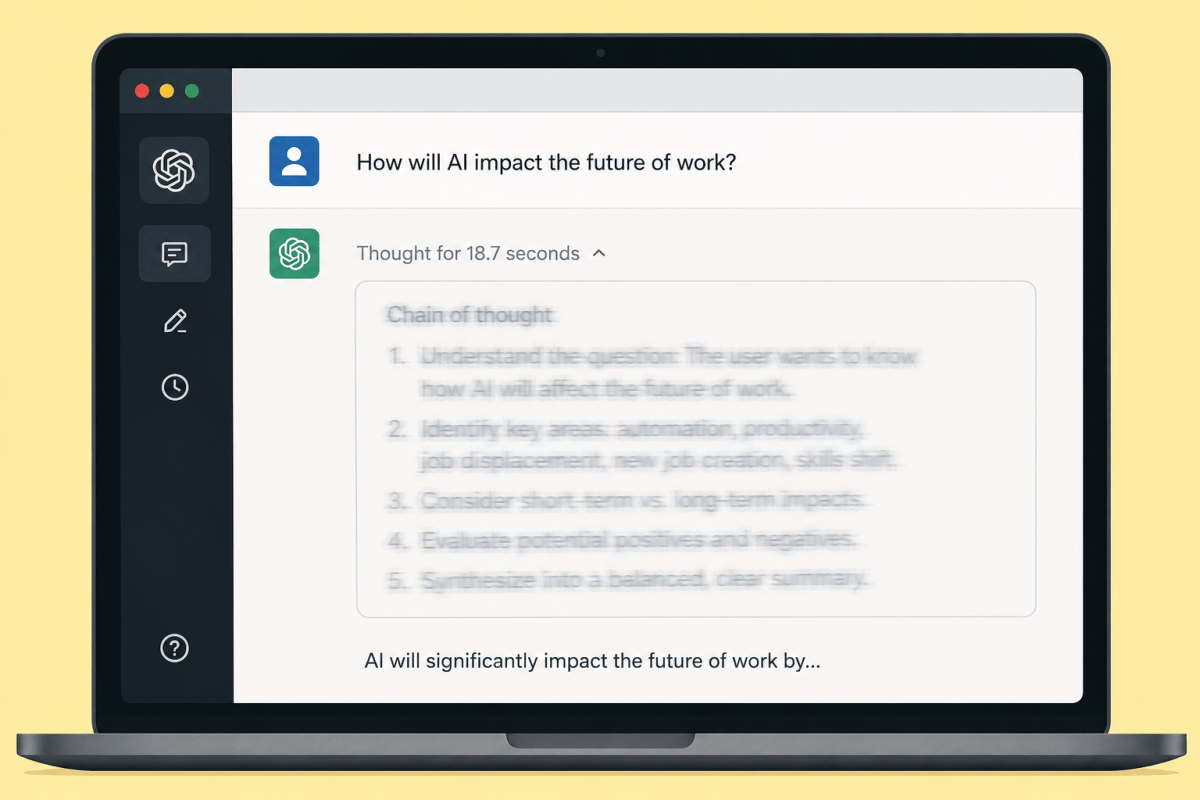
Key terminology spans various aspects of AI functionality and capability. Artificial General Intelligence, or AGI, describes AI systems that match or exceed human performance across numerous tasks. AI agents represent autonomous tools capable of executing multi-step operations independently, such as booking services or managing code. Chain-of-thought reasoning refers to how AI systems break complex problems into smaller steps to improve accuracy, particularly in logical and programming contexts. Meanwhile, coding agents represent specialized applications that can independently write, test, and debug software without constant human intervention.
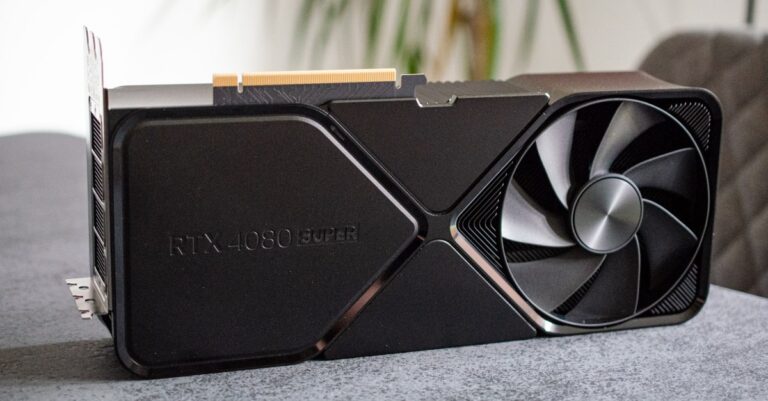
Infrastructure components also dominate modern AI terminology. API endpoints function as connection points allowing different software systems to communicate and trigger automated actions. Compute refers to the computational resources necessary for training and deploying AI models—a fundamental resource driving industry growth. As the field continues advancing, terminology constantly shifts, with new concepts like “opaque recurrence,” recently highlighted in OpenAI’s latest model, emerging to describe novel AI techniques.
Industry observers note that staying current with AI terminology remains challenging even for experienced technology professionals. Comprehensive glossaries and resources have become essential tools for anyone seeking to understand contemporary AI discussions, whether they work in development, investment, or simply follow technological progress.
“`
Originally reported by Techcrunch →
About the Author