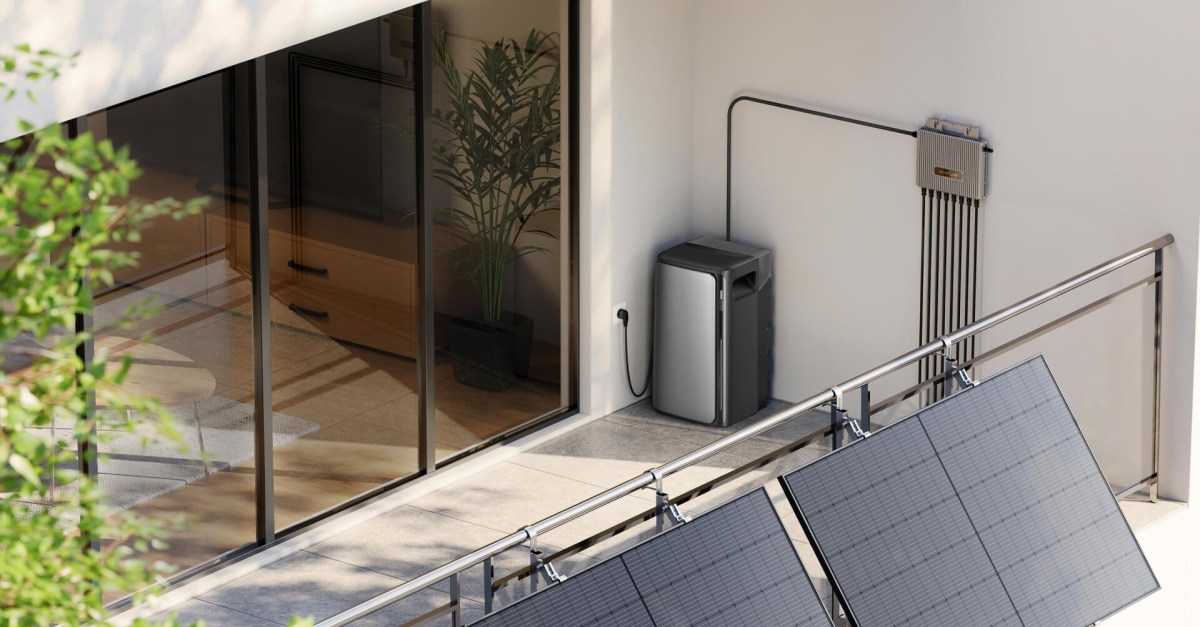
Plug-in solar systems are gaining traction across the United States after years of widespread adoption in Europe. These compact, affordable solar kits allow homeowners to generate their own electricity by connecting directly to standard household outlets, eliminating the need for expensive professional installation, permits, or utility approval. Starting at around $300, they represent a dramatic departure from traditional rooftop solar arrays that can cost $15,000 or more.
The technology functions through small microinverters that convert solar energy into usable household power. Optional battery storage systems, priced between $500 and $1,500, enable homeowners to store excess energy for use after sunset and provide backup power during outages. Europeans embraced this approach years ago, with millions of households—including an estimated 1.5 million in Germany—installing these systems to reduce energy costs and gain independence from grid fluctuations.
Rising energy prices following geopolitical tensions and declining global costs for solar panels and batteries have accelerated consumer interest in plug-in solar solutions. However, US consumers face higher expenses due to import tariffs and reduced tax incentives. Despite these barriers, regulatory momentum is building, with more than a dozen states enacting or proposing legislation to permit plug-in solar installation without utility preapproval, provided systems meet safety standards and shut down during power outages.
https://www.youtube.com/watch?v=motwv5sMuTA%5DnI
Originally reported by Theverge →
About the Author