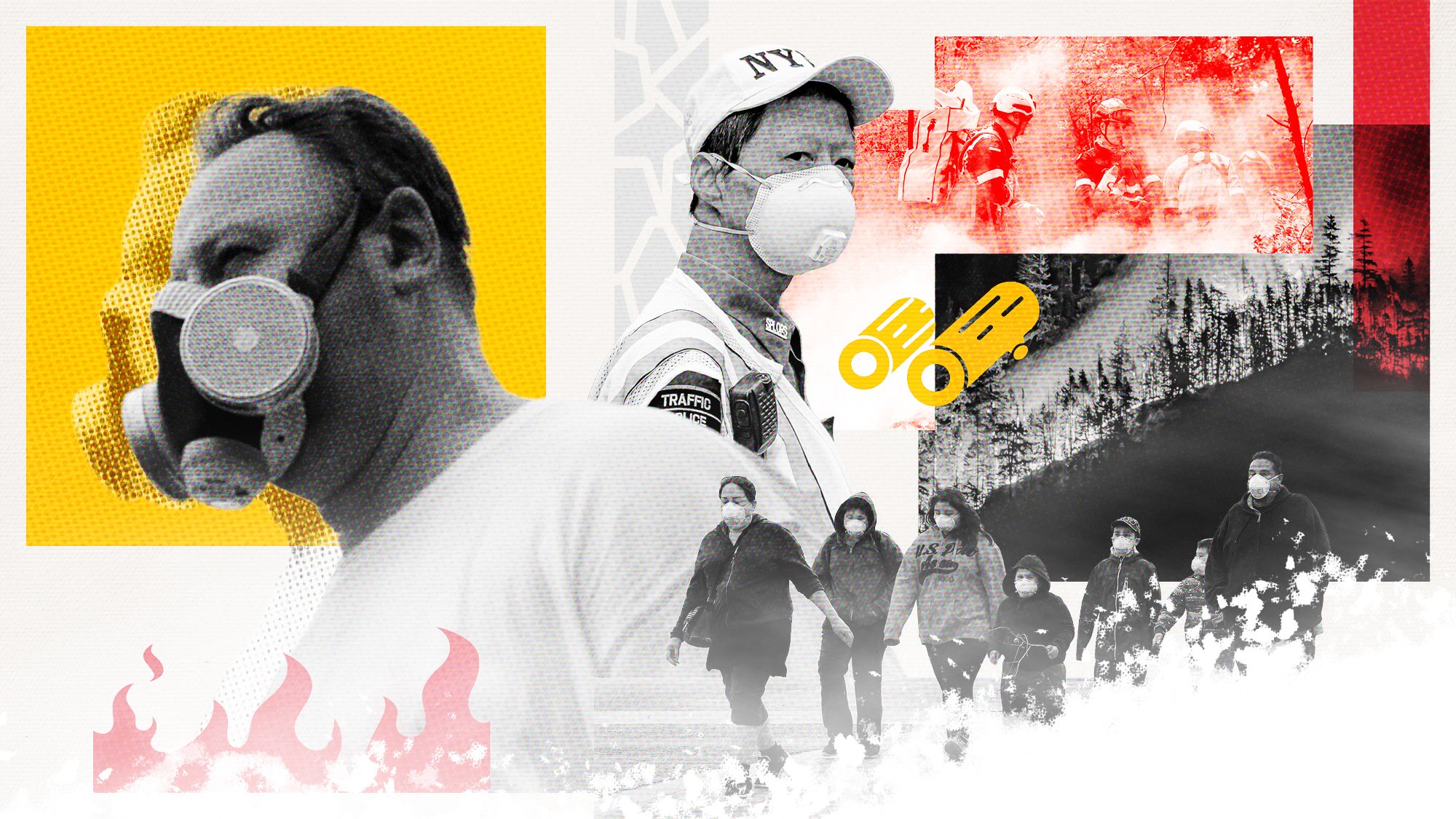
Smoke from wildfires across Ontario blanketed much of the Midwest and East Coast in mid-July, creating hazardous air quality conditions across multiple states. Grand Rapids, Michigan experienced particularly severe pollution levels, shattering its previous air quality record. Experts warn that such events will intensify as global temperatures rise, making wildfire smoke an increasingly urgent public health concern for North America.
Research reveals the serious health toll of wildfire smoke exposure. Fine particulate matter from burning vegetation can trigger heart attacks, asthma attacks, and premature births while worsening existing respiratory and cardiovascular diseases. A recent study estimates that wildfire smoke contributed to over 24,000 deaths annually in the United States between 2006 and 2020, with projections suggesting this figure could exceed 71,000 deaths yearly by 2050 if warming continues unchecked.
Climate change is fundamentally altering fire patterns across North America. The fire season is lengthening in western regions while shifting earlier in northern forests as winter snow disappears sooner. Between 1984 and 2015, large wildfires in the western United States doubled in frequency. Scientists project that smoke emissions could increase by 262 to 482 percent in coming decades, with pollution traveling thousands of miles eastward to affect air quality nationwide.
Beyond immediate respiratory impacts, wildfire smoke exposure has been linked to cognitive decline in children, increased dementia risk in adults, and adverse pregnancy outcomes. Controlled forest management and prescribed burns offer potential solutions, releasing less pollution while reducing the fuel that intensifies uncontrolled wildfires, suggesting that proactive intervention could mitigate future health crises.
Originally reported by Livescience →
About the Author