What Do You See? This Week’s Monday Microscope Mystery
 Test yourself!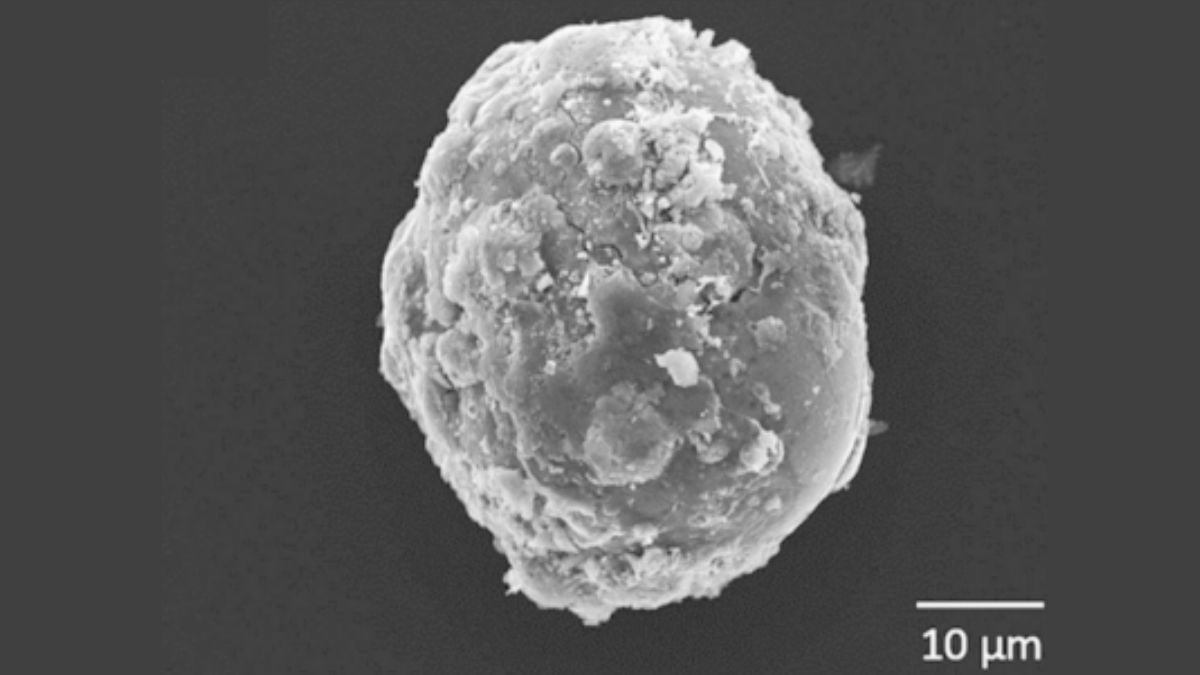
“`html
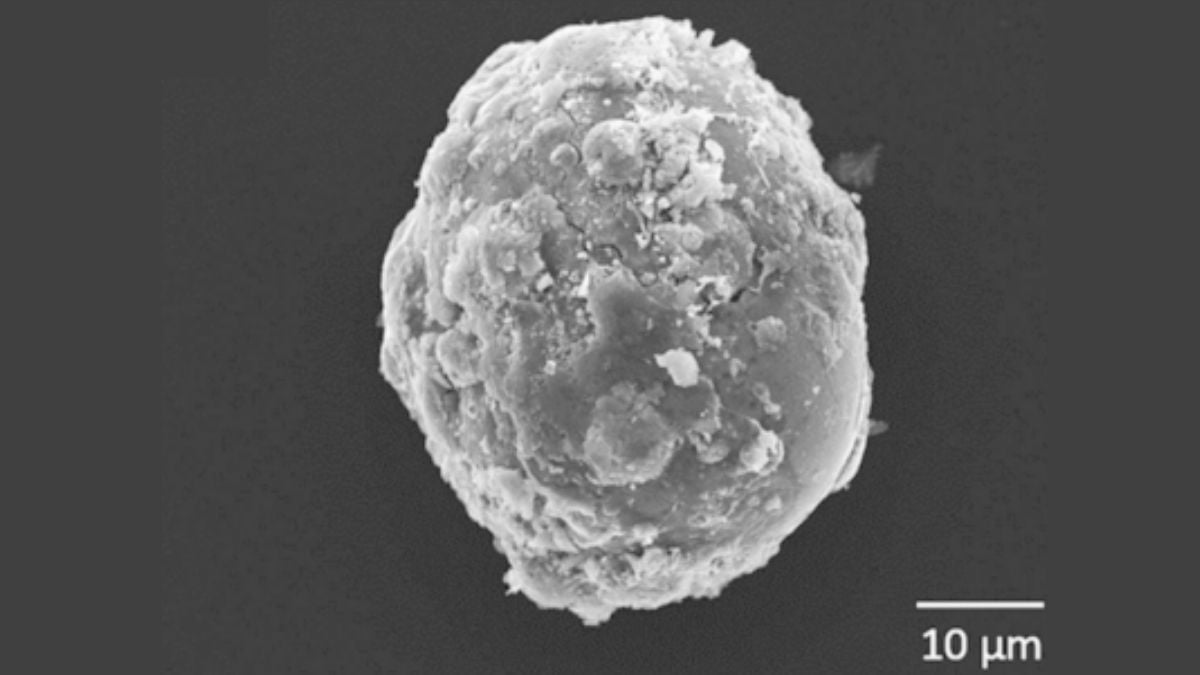
This week’s microscope mystery features an intriguing image that initially resembles cosmic debris or biological material. The photograph displays tiny, nearly perfect spheres scattered across the frame, raising questions about their true identity. Viewers were invited to guess whether the particles represented a lymph node, microplastic beads, pyrite grains, or something else entirely.
The answer reveals these miniature spheres to be gunshot residue particles. When a firearm is discharged, the primer ignites and vaporizes metal contained within the cartridge. This metallic vapor rapidly cools and condenses in the surrounding air, solidifying into distinctive rounded shapes typically measuring just micrometers across, though some particles can reach approximately 100 micrometers in diameter.
Forensic scientists identify authentic gunshot residue by analyzing its chemical composition. Traditional primers contain lead styphnate, barium nitrate, and antimony sulfide, meaning genuine GSR particles carry these three elements fused together within a single sphere. Investigators use specialized equipment called scanning electron microscopes paired with energy-dispersive X-ray spectroscopy to examine particle shape and determine elemental makeup simultaneously.
A single discharged cartridge can release thousands of these particles into the air. The residue can settle on hands, faces, hair, and clothing of individuals present during firing. Because most particles disperse or wash away within hours, forensic teams collect samples quickly by pressing adhesive stubs against skin and fabric, then scanning for particles matching the characteristic lead-barium-antimony signature.
“`
Originally reported by Sciencealert →
About the Author