“`html
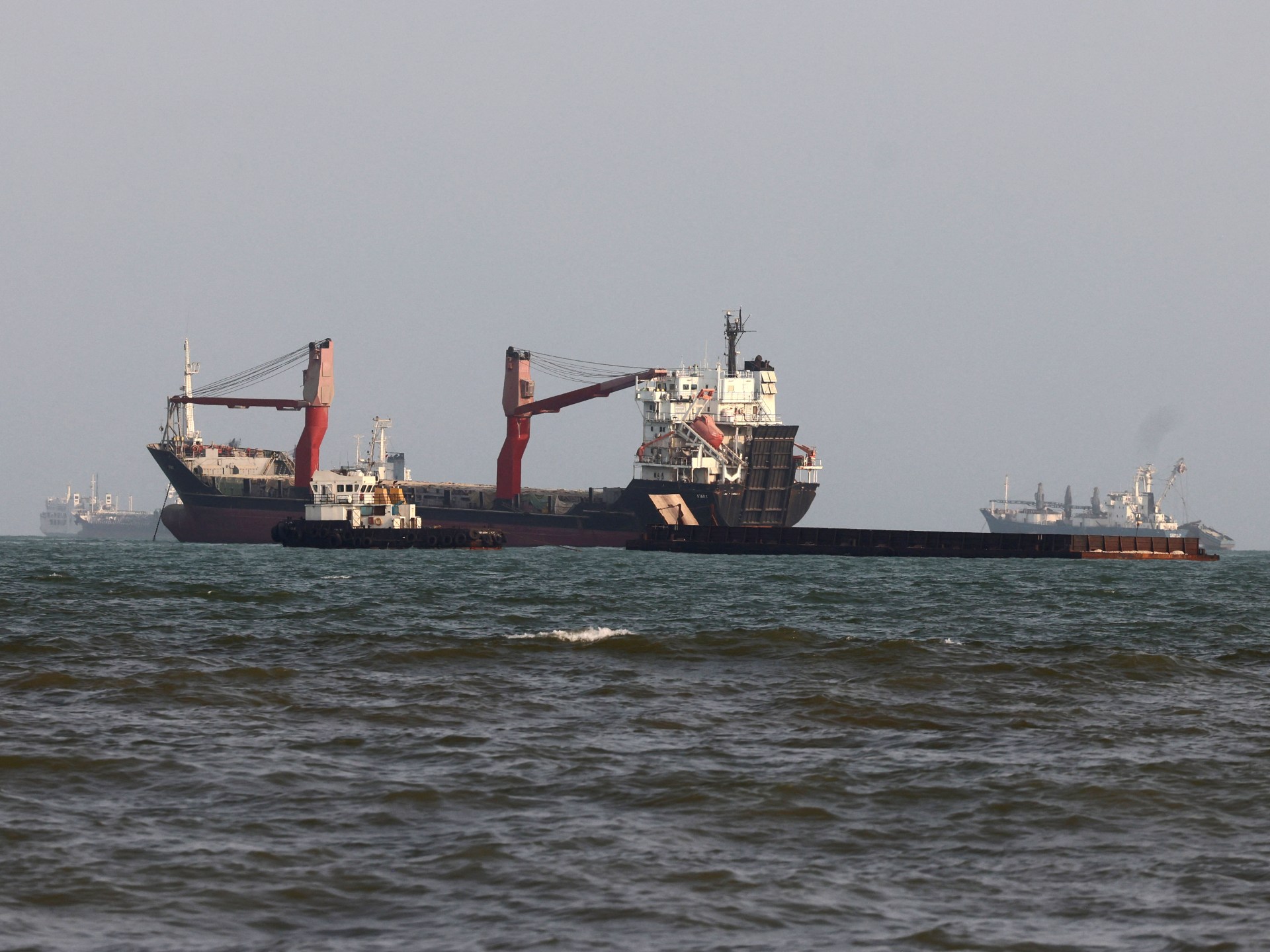
Tensions remain elevated between the United States and Iran over control of the Strait of Hormuz, a critical waterway through which roughly one-fifth of global energy supplies transit during normal circumstances. The two nations continue to dispute who commands the strategic passageway, with the Trump administration asserting dominance while Iranian officials insist they maintain operational control and have prevented unauthorized vessel passage through the channel.
Iran has established preconditions for reopening the strait, demanding that Washington address grievances including allegations of aggression, financial reparations, and the removal of sanctions. These demands have stalled direct negotiations between the countries. Instead, Iran has engaged Oman as an intermediary, proposing a joint management framework for the waterway. Qatar has also stepped in as a mediator, reporting that Iran-Oman discussions have progressed to an advanced phase, with negotiators working to establish designated shipping corridors that balance commercial navigation with security concerns.
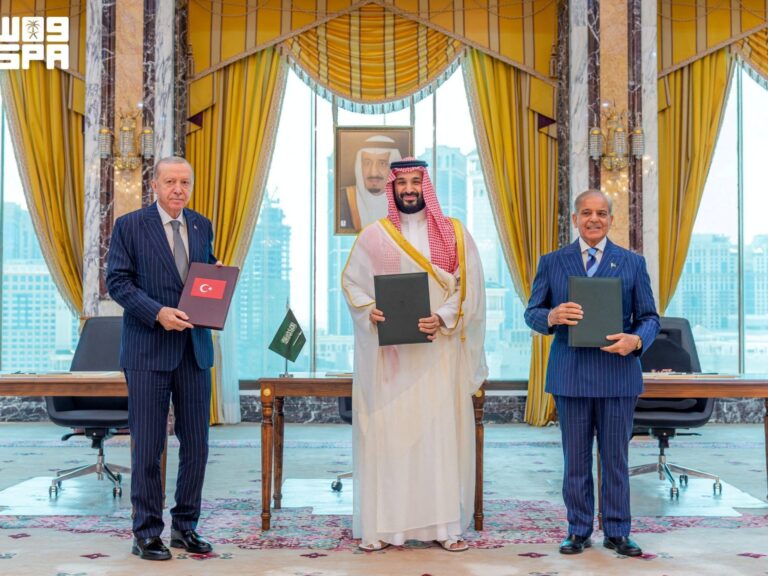
Pakistan has recently launched separate diplomatic efforts to revive broader peace negotiations. The standoff stems partly from disagreements following a June agreement in which Iran committed to keeping the strait open for sixty days, but subsequent disputes over shipping routes, fees, and compliance have reignited hostilities. Shipping traffic through the strait has declined to weekly lows amid the continued blockade, underscoring the economic stakes of the deadlock.
“`
Originally reported by Aljazeera →
About the Author