“`html
Six months into armed conflict with Iran, Gulf states are reshaping their security arrangements in ways that extend beyond traditional defense structures. The regional powers are developing interconnected partnerships designed to work alongside, rather than substitute for, the longstanding American security presence in the area.
The immediate threat posed by missile and drone attacks on critical infrastructure has prompted Gulf nations to reconsider their security strategies fundamentally. Cities, energy facilities, ports and shipping routes have become vulnerable in ways previously confined to theoretical exercises, forcing policymakers to seek more comprehensive protection arrangements that go beyond bilateral relationships with Western powers.
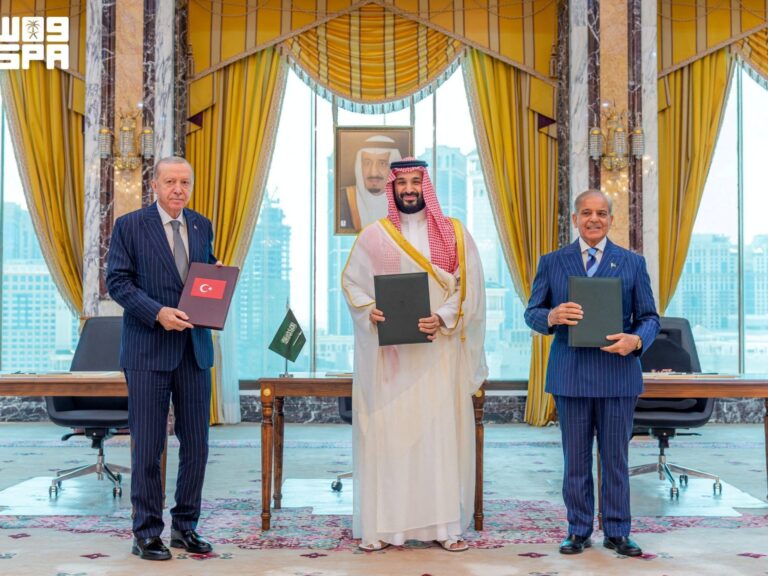
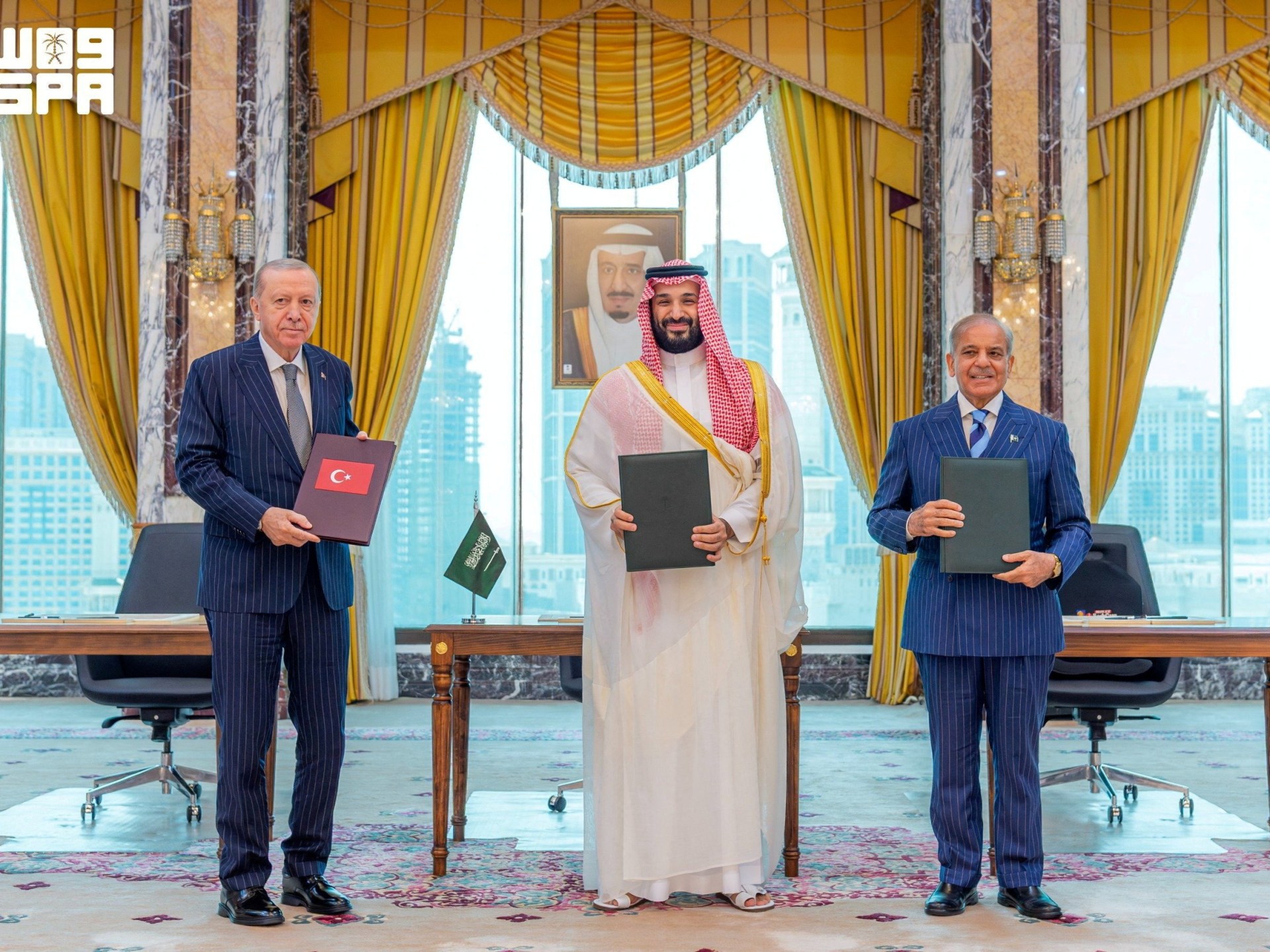
Recent agreements demonstrate this shift toward layered security cooperation. The Mecca Joint Defence Agreement involving Saudi Arabia, Turkey and Pakistan exemplifies how Gulf states are broadening their partnerships beyond regional boundaries. While resembling collective defense principles already embedded in Gulf Cooperation Council frameworks, such arrangements signal a willingness to incorporate diverse international partners into security planning.
The emerging model prioritizes flexibility over rigid hierarchies. Rather than establishing a single dominant alliance structure, multiple overlapping partnerships enable different states to coordinate based on specific threats and capabilities. Leadership responsibilities would shift depending on the crisis, allowing nations with particular expertise to take operational roles while maintaining political autonomy. This approach acknowledges both the sovereignty concerns of Gulf states and the practical reality that no single regional power can address all security challenges.
“`
Originally reported by Aljazeera →
About the Author