“`html
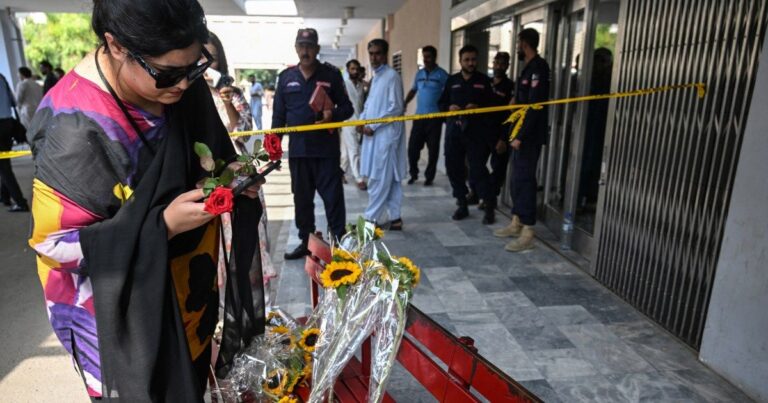
Recent hospital fires in India and Pakistan have claimed the lives of multiple newborns, exposing systemic safety failures in both nations. A neonatal intensive care unit fire in Amravati, India claimed three infants, while a maternity ward fire at a major hospital in Islamabad killed 14 newborns just two days later. Despite different reported causes—a faulty ventilator and an exploding air conditioner respectively—the tragedies reveal strikingly similar patterns of institutional breakdown and inadequate emergency response across both countries.
The incidents share troubling commonalities in how authorities have responded. Emergency teams arrived late to both incidents, while basic fire safety measures failed to function properly. Government officials quickly announced investigations, financial compensation packages, and safety audits, following a predictable formula that has repeated throughout the region’s history. However, these measures have consistently failed to produce meaningful reform or accountability, with previous hospital fires resulting in no criminal convictions despite dozens of deaths.
While India and Pakistan maintain distinct national identities and geopolitical rivalries, their approach to protecting vulnerable populations reveals a unified indifference. Both nations possess the resources and technical knowledge to implement robust safety standards, yet repeatedly choose not to enforce building codes or hold institutions accountable. The fires underscore a fundamental question about government priorities: which citizens matter most, and whose safety is considered expendable.
“`
Originally reported by Aljazeera →
About the Author