UK Prime Minister Andy Burnham is conducting a nationwide tour to engage with citizens about their economic struggles as the country faces mounting inflationary pressures. The initiative comes as Britain grapples with rising costs across multiple sectors, prompting officials to directly address public concerns about affordability and living standards.
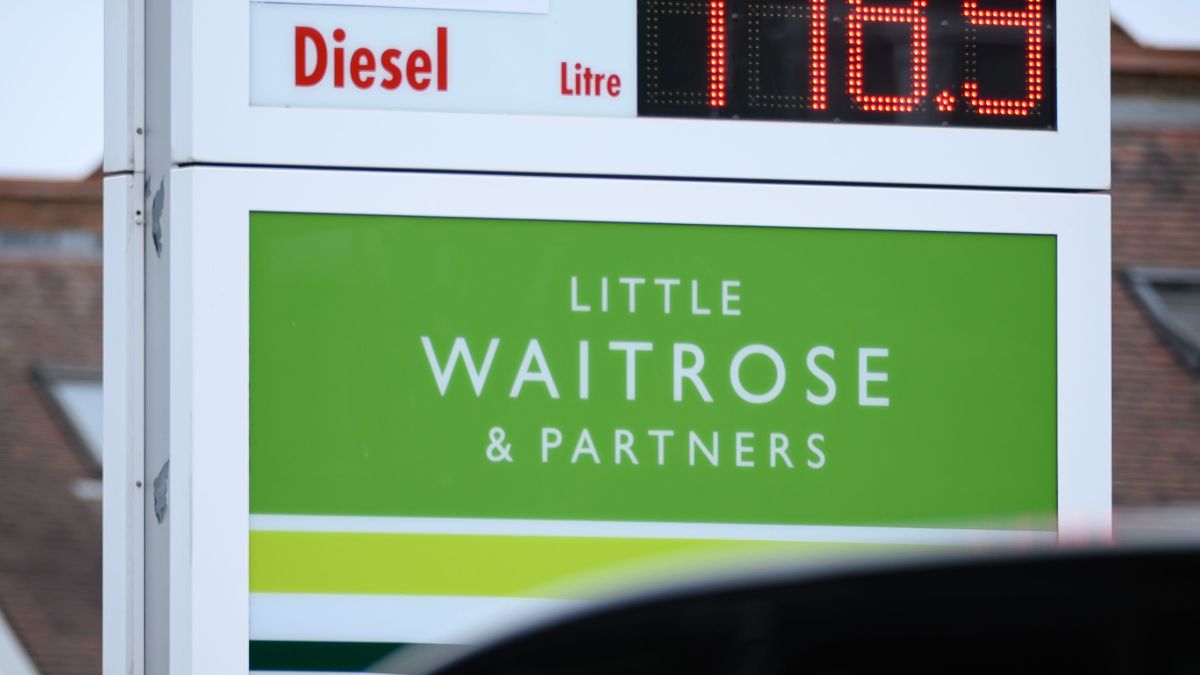
Inflation in the UK reached 2.8 percent annually in June, a slight decrease from May’s 3 percent rate. However, forecasts suggest further increases ahead, particularly in energy and food sectors. The Bank of England attributes much of this pressure to Middle Eastern geopolitical tensions affecting global oil supplies, with petrol and diesel prices surging by over 20 percent since February. The Strait of Hormuz closure has disrupted approximately one-fifth of worldwide oil and liquefied natural gas transportation, directly impacting household fuel bills and transportation costs.
Lower-income households face disproportionate hardship from rising prices. While average UK households spend roughly £677 weekly on essentials, poorer families allocate proportionally more income to rent, energy, food and transport, leaving minimal financial cushion. Research indicates that 7.4 million low-income families currently cannot afford basic necessities. Wage growth has stalled significantly, with real earnings adjusting for inflation dropping from 0.4 percent to 0.1 percent following the geopolitical conflict.
Comparatively, the UK’s inflation rate sits midway among Group of Seven nations, with the US experiencing higher inflation at 3.5 percent while France and Japan report lower rates. Food price inflation has modestly slowed to 1.7 percent, though supermarkets and officials predict increases toward 4-5 percent by year’s end.
Originally reported by Aljazeera →
About the Author