Unprecedented: Scientists Have Built Miniature Brains That Experience The Passage Of Time
 A breakthrough for studying our own brains.
“`html
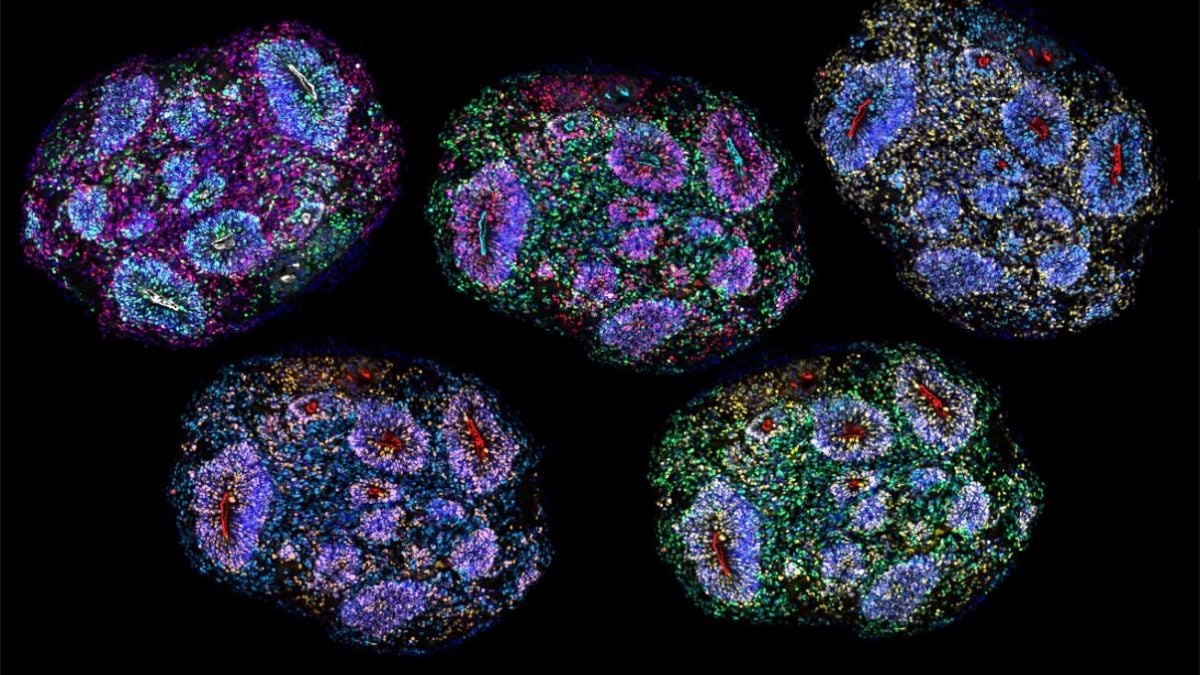
Researchers have achieved a significant milestone in neuroscience by developing miniature brain structures, known as organoids, that demonstrate the ability to track developmental time. Published in the journal Nature, this work represents a major advance in laboratory-based brain research, offering scientists new ways to study human neural development without the ethical constraints of examining living brains.
The organoids, grown from stem cells, have been sustained in laboratory conditions for nearly six years—substantially longer than previous organoid experiments, which typically lasted only weeks or months. Using molecular markers and various analytical techniques, the research team confirmed that these cultured specimens undergo maturation processes remarkably similar to those occurring in actual developing brains. The extended timeframe allowed researchers to observe the emergence of different cell types, including support cells and nerve fiber insulators, while also demonstrating methods to help preserve critical neurons through sustained electrical activity.
Perhaps most remarkably, the study revealed that brain cells possess an intrinsic mechanism for recording developmental time. When researchers dismantled organoids of different ages and reassembled them into mixed-age structures called chimeroids, the cells retained cellular memories of their previous developmental stages. This finding suggests that individual brain cells maintain information about how long they have been developing, independent of their physical location or reassembly.
These findings open new possibilities for understanding human brain development during periods that remain largely mysterious to science, potentially yielding insights into neural evolution and maturation processes unique to humans.
“`
Originally reported by Sciencealert →
About the Author