Climate change and extreme weather are fundamentally reshaping global food production and nutrition. Colorado’s winter wheat harvest this year reached its smallest levels since 1965 after plants endured a whiplash of warm conditions followed by freezing temperatures and record heat. Similar crop failures are occurring worldwide, threatening both food availability and nutritional quality across virtually every agricultural product.
Rising atmospheric carbon dioxide levels are making crops measurably less nutritious, with plants deficient in zinc, protein, magnesium, and iron even as they grow. Current projections suggest that by 2050, an additional 175 million people will face zinc deficiency and 122 million will experience protein deficiency due to climate factors alone. Beyond nutrition, extreme weather events—droughts, floods, heat waves, and temperature swings—create unpredictable harvests. Ocean acidification threatens fish populations and coastal food security, while warming temperatures reduce milk production in dairy cattle and compromise cheese and yogurt quality.
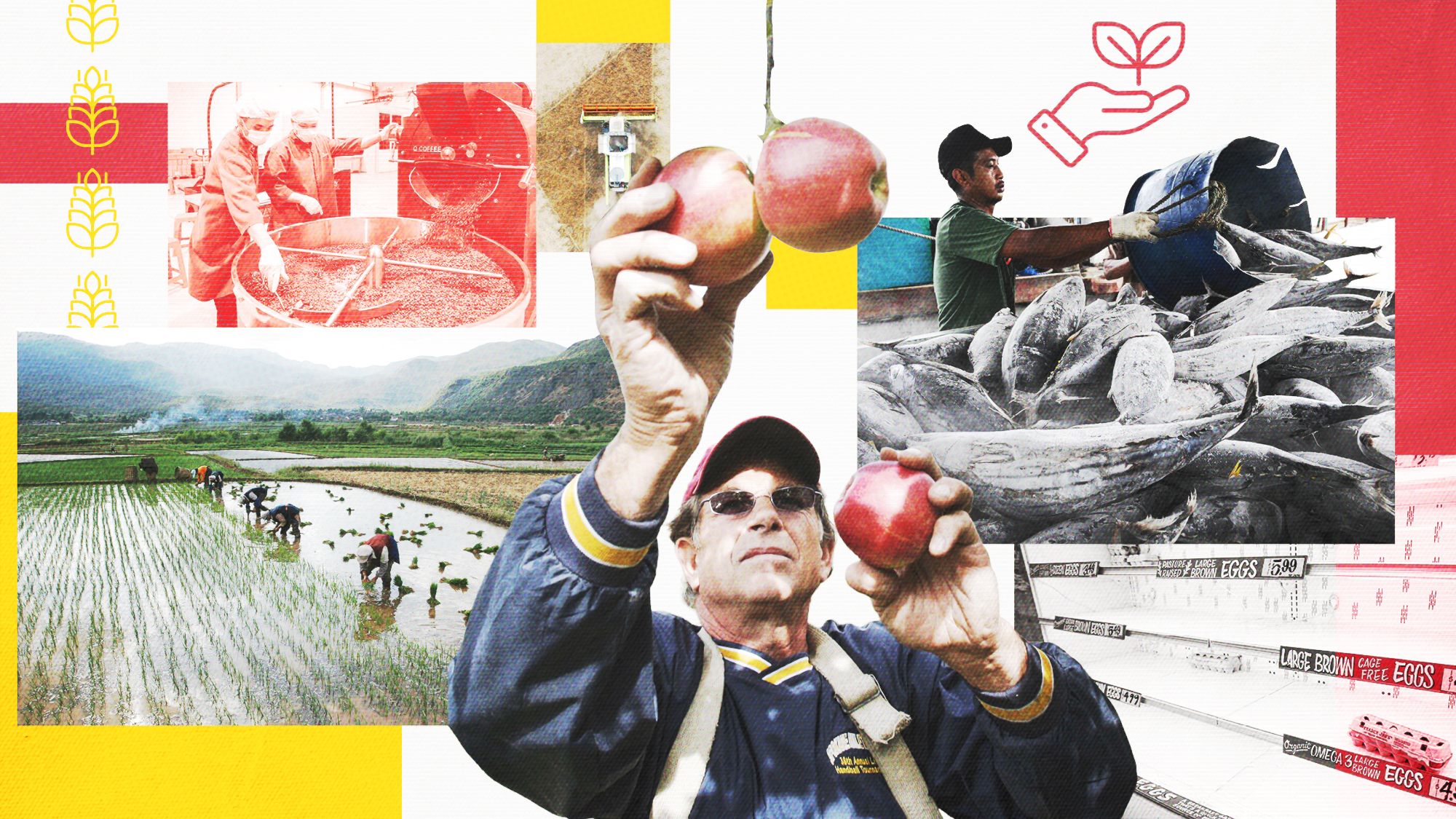
Familiar foods are already changing in ways consumers may not immediately notice. Apple yields will likely decline as dormancy patterns shift, coffee varieties are becoming harder to grow in traditional regions, and wine characteristics are shifting toward higher alcohol content. For most Americans, these impacts will manifest as inflation and altered dietary patterns toward processed foods, while vulnerable regions in Africa, Southeast Asia, and the Pacific face more severe food insecurity and malnutrition.
Experts emphasize that while farmers are adapting through heat-resistant crop varieties and conservation techniques, the most effective solution remains reducing greenhouse gas emissions now. Without significant climate mitigation, global caloric output could decline by approximately 4.5 percent per degree of warming—a level of disruption not experienced since the agricultural innovations of the mid-twentieth century.
Originally reported by Livescience →
About the Author