
“`html
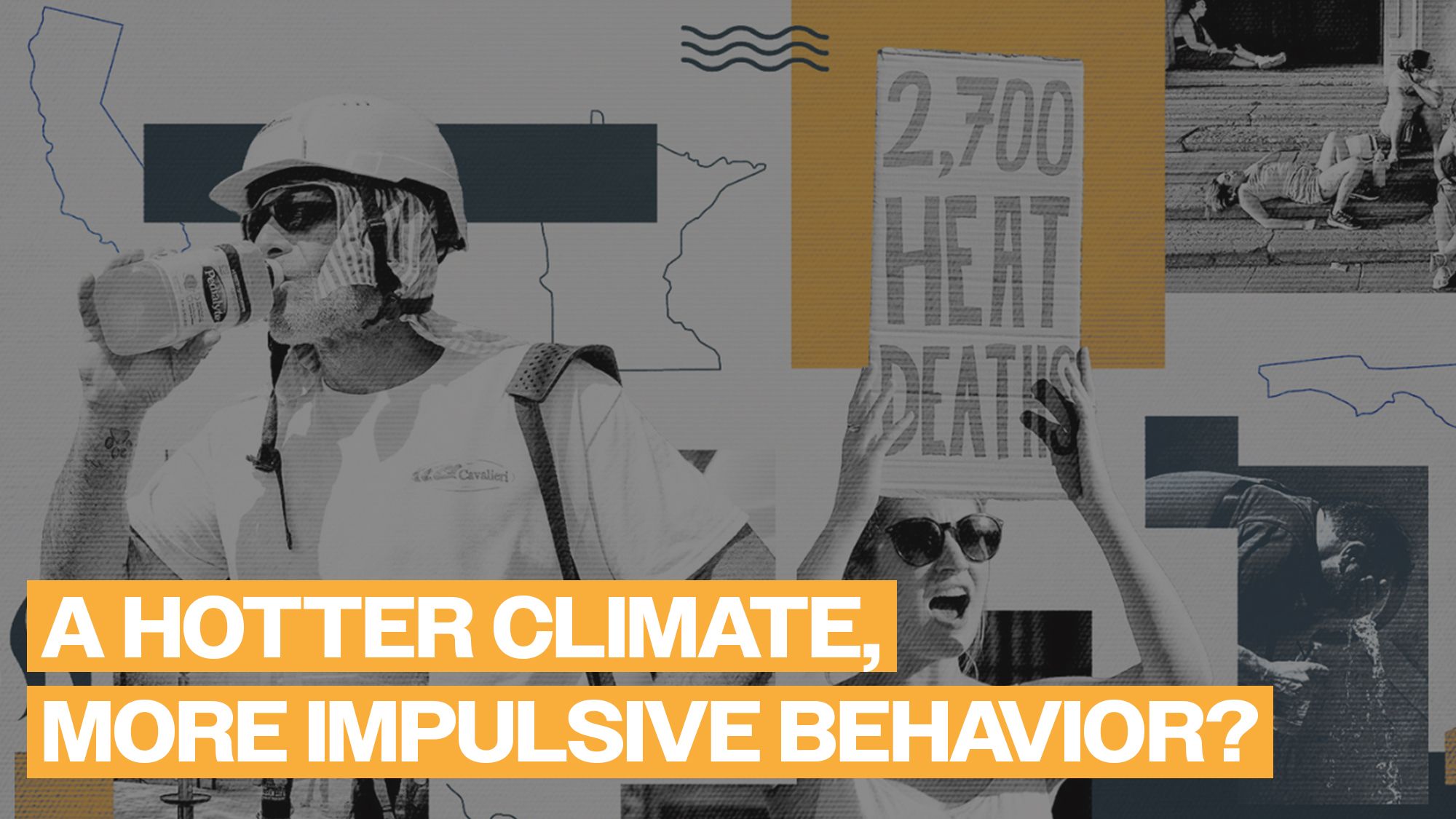
While climate change is frequently associated with rising temperatures and environmental degradation, emerging research reveals a lesser-known consequence: its potential effects on human behavior and mental health. Scientists are increasingly examining how elevated heat exposure may influence emotional responses and decision-making patterns in populations worldwide.
Kim Meidenbauer, a neuroscientist at Washington State University, has been conducting research exploring the connection between heat and behavioral changes. Her work examines how thermal stress impacts the brain’s emotional processing systems, potentially leading to more impulsive actions. As global temperatures continue to rise, understanding these psychological effects becomes increasingly important for public health planning.
The implications extend beyond individual well-being. As heat-related days become more frequent across the United States and other regions, researchers warn that widespread exposure to extreme temperatures could have cascading effects on society. The study of climate change’s mental health impacts represents part of a broader investigation into how a warming planet will affect human physiology, encompassing air quality, food security, and disease risk factors.
This research highlights an often-overlooked dimension of climate change adaptation, suggesting that communities must prepare for psychological and behavioral consequences alongside more visible environmental transformations.
“`
Originally reported by Livescience →
About the Author