
Scientists Successfully Test Underwater Solar Cells 32 Feet Below The South China Sea
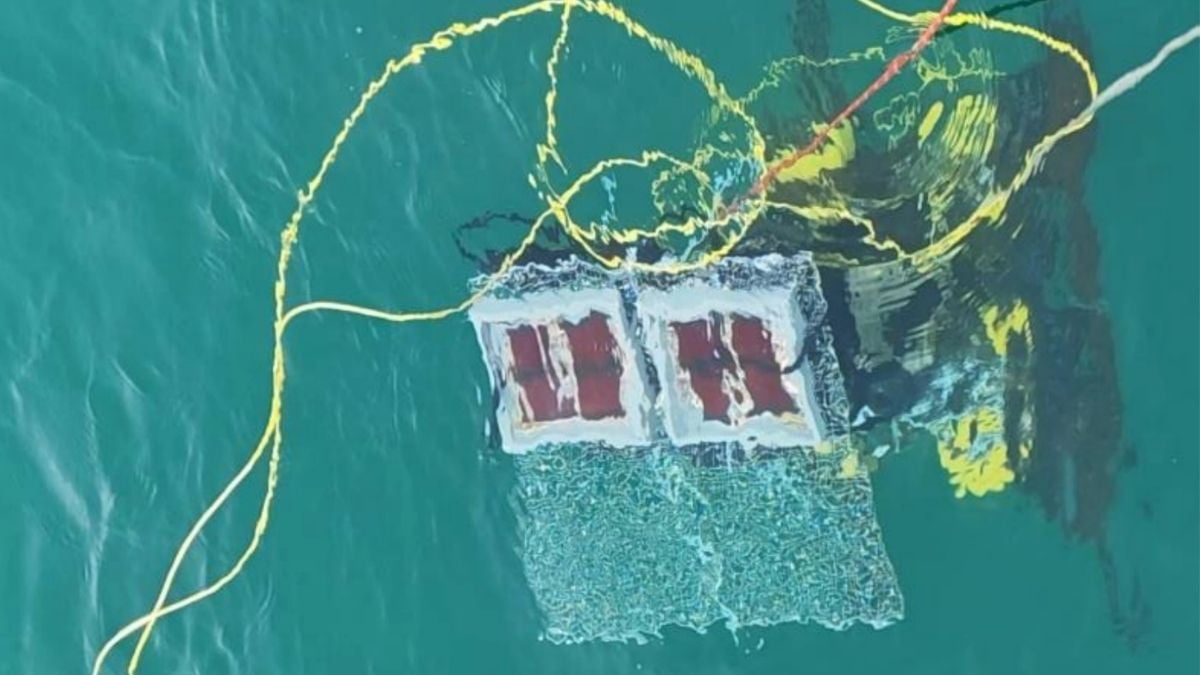 A power source beneath the waves.
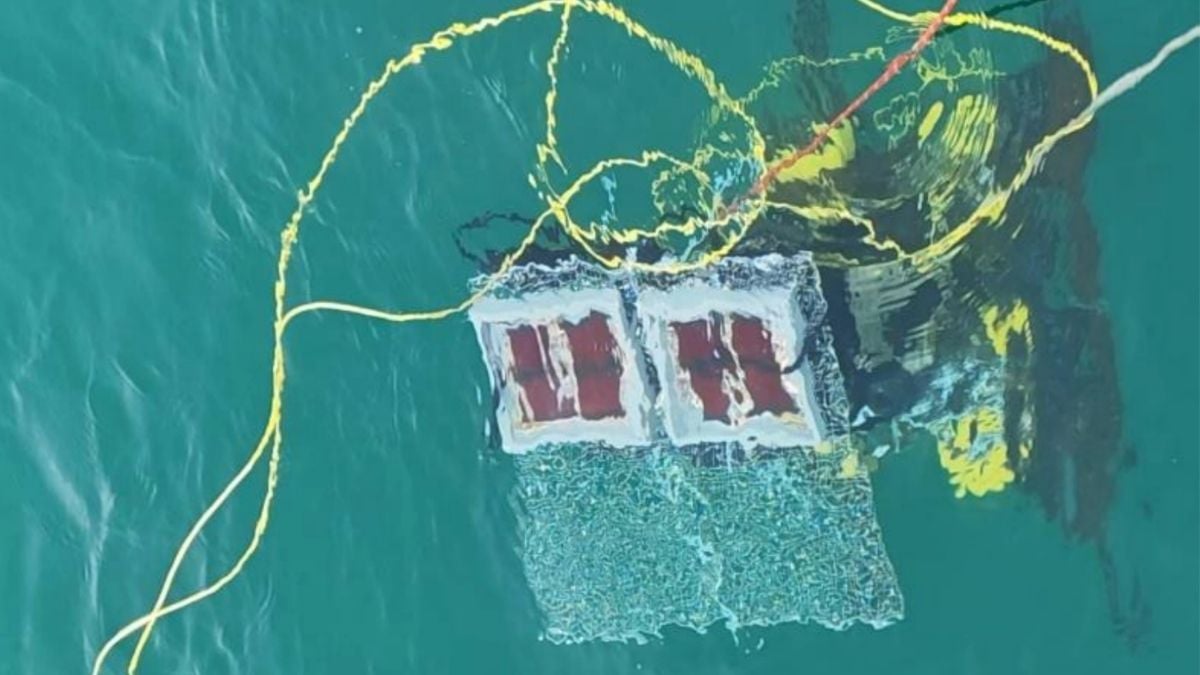
Researchers from Yunnan University have successfully demonstrated that solar cells can generate electrical power at depths of 32 feet beneath the ocean surface. The prototype panels were tested in the South China Sea, where they captured sufficient energy to fully charge lithium-ion batteries within two hours. This achievement marks a significant advance in underwater renewable energy technology, as previous studies had only explored solar cells in much shallower waters of less than six feet.
The specialized solar cells utilize lead halide perovskite, a semiconductor material enhanced with a polymer that maximizes electron capture. Unlike conventional photovoltaic panels designed for surface use, these underwater versions were engineered to absorb the blue-green wavelengths that penetrate seawater most effectively. Laboratory testing achieved a power conversion efficiency of nearly 35 percent before the cells were deployed for real-world validation.
During ocean trials, the cells’ energy collection diminished with depth, producing 1,416 milliwatt-hours at two meters, 752 milliwatt-hours at six meters, and 324 milliwatt-hours at ten meters. Researchers estimate the technology could remain operational for approximately five and a half years, making it viable for powering underwater sensors, cameras, and communication equipment. The breakthrough opens possibilities for autonomous marine devices and self-sustaining underwater systems that could support scientific exploration and offshore operations.
Originally reported by Sciencealert →
About the Author