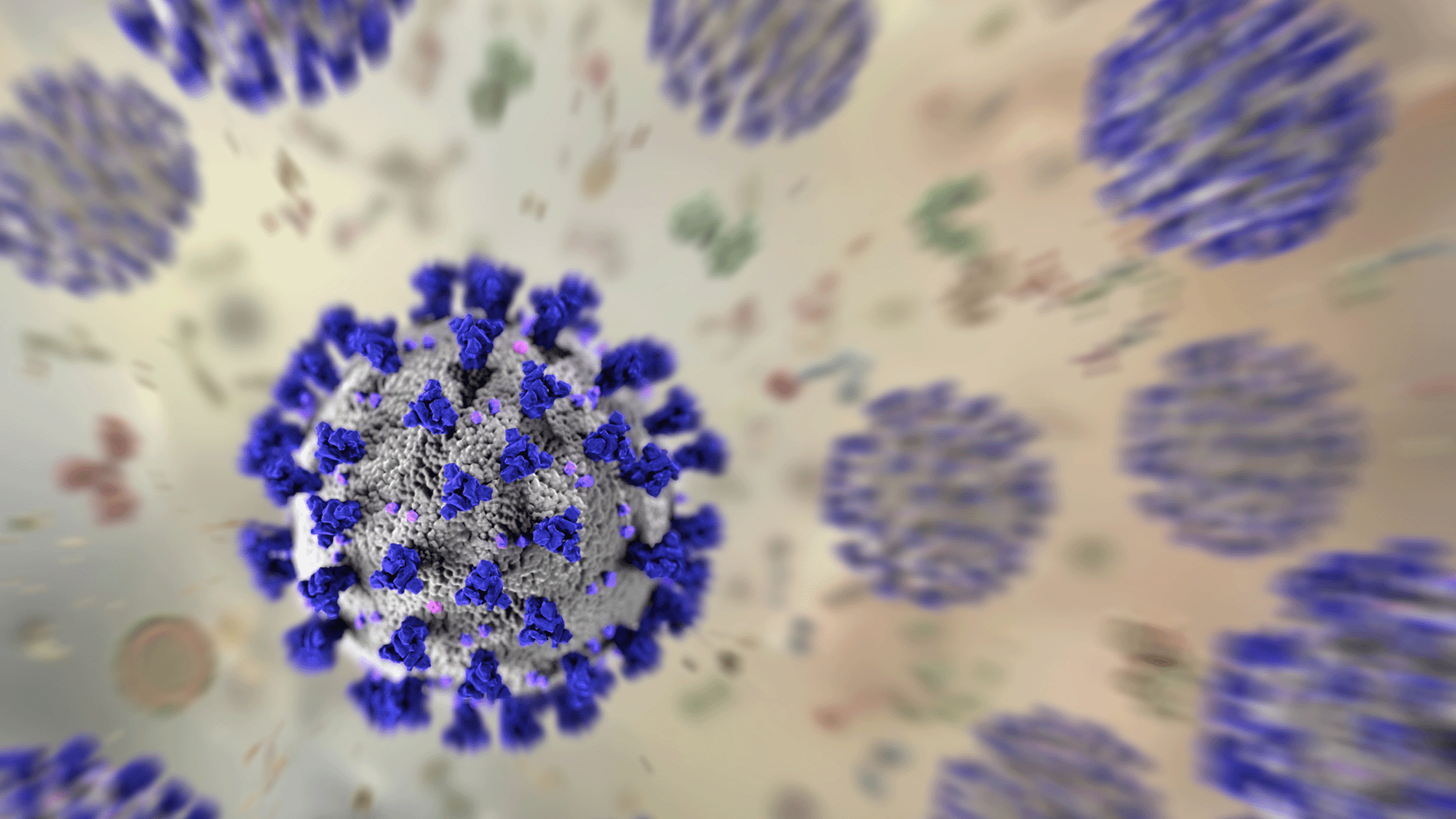
A new research study published in Nature reveals that severe COVID-19 infections can trigger the reactivation of viruses that lie dormant in the body, even among individuals with fully functional immune systems. The dormant viruses activated include members of the herpes family—Epstein-Barr virus, cytomegalovirus, and herpes simplex virus—as well as anelloviruses, which are found in most people but have not been conclusively linked to disease.
Researchers tracked over 1,100 hospitalized COVID-19 patients for one year, collecting blood samples, nasal swabs, and lung fluid at regular intervals. Nearly half of the study participants experienced reactivation of at least one dormant virus during their acute infection. Most notably, patients whose anelloviruses remained active after the initial illness were more likely to develop long COVID, experiencing persistent fatigue and functional limitations in daily activities.
Scientists suggest that severe infection diverts the immune system’s attention from its usual role of suppressing dormant viruses. When this “guard” relaxes, latent viruses hidden within body cells can awaken and replicate. Additionally, inflammatory molecules produced during illness may directly trigger viral reactivation in nerve cells and other tissues.
Researchers emphasize that their findings represent a correlation rather than definitive proof of causation. Future studies using antiviral medications may clarify whether treating reactivated viruses could improve outcomes for severe COVID-19 and long COVID patients.
Originally reported by Livescience →
About the Author