Scientists Reveal The Strange Neurological Reason Your Pupils Dilate When You’re Surprised
 Like a neural 'reset'.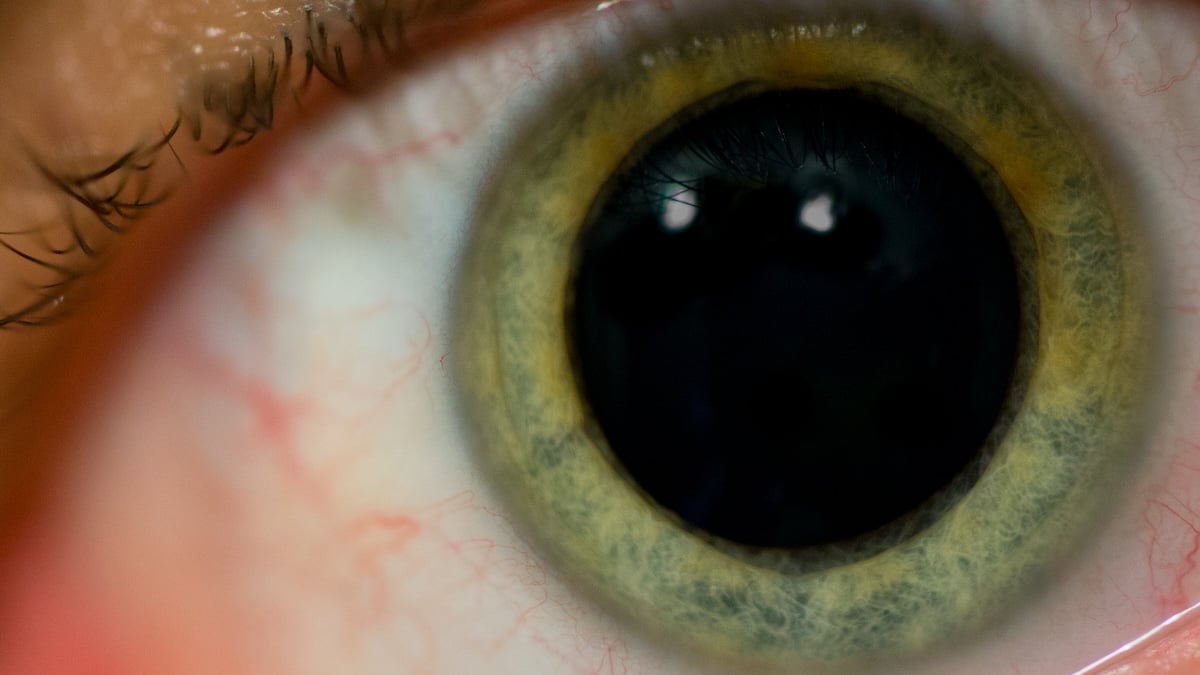
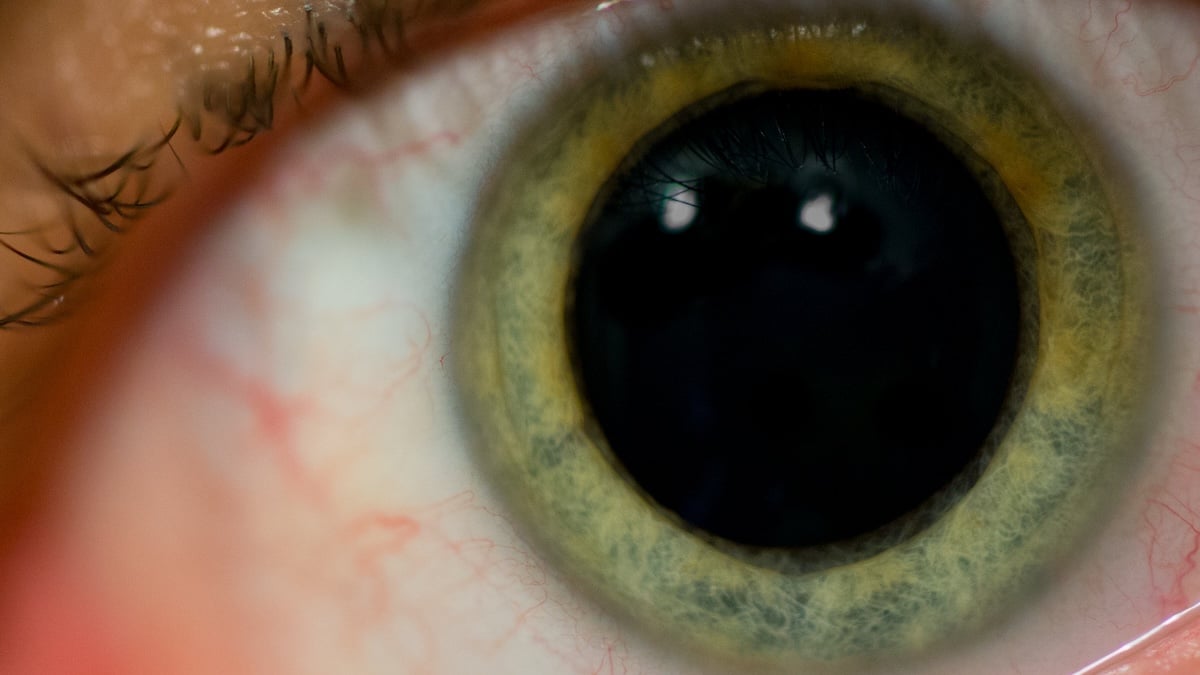
Researchers have uncovered the neurological mechanisms behind why our pupils expand when we experience surprise. While pupil dilation is commonly associated with adjusting to changes in lighting, scientists have discovered that unexpected events trigger a similar response as part of a broader arousal system in the brain. This phenomenon appears to serve an important function in helping us process and react to sudden shifts in our environment.
The study involved 63 participants who made predictions about colored images displayed on screens while researchers monitored their pupil sizes and brain activity through electroencephalography. When participants encountered colors that contradicted their expectations, their pupils dilated alongside specific patterns of brain waves associated with arousal activation in the locus coeruleus, a brainstem region responsible for producing norepinephrine, the neurotransmitter linked to the fight-or-flight response.
The findings suggest that pupil dilation during surprise functions as a mental “reset” mechanism. Participants who exhibited this physiological response demonstrated improved learning from unexpected events and reduced perceptual bias. Rather than becoming locked into previous patterns, their brains appeared to clear outdated assumptions and prepare to absorb new information more effectively.
According to researchers, this arousal response helps the brain transition between different contexts by releasing previous expectations and creating a fresh cognitive slate. The study, published in Nature Human Behaviour, provides insight into how our bodies use visible physical signals to manage the cognitive demands of an unpredictable world.
Originally reported by Sciencealert →
About the Author