Scientists Just Made A Cookie Out of Recycled Plastic ‘Slurry’. Welcome to 2026
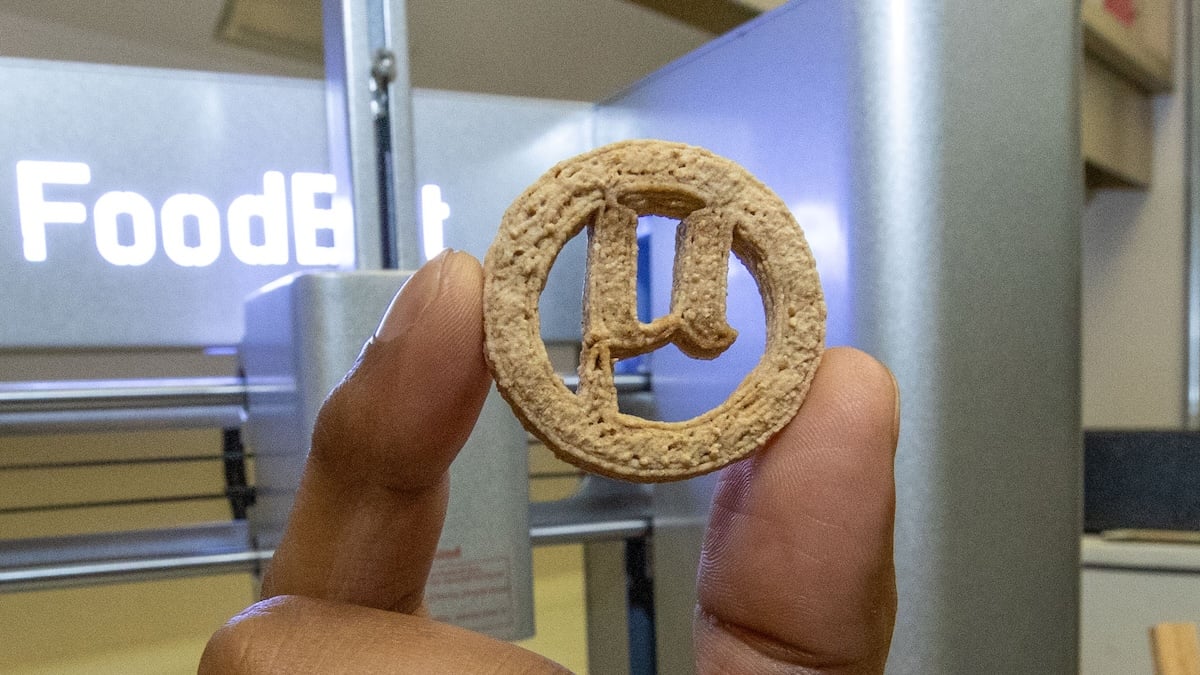 You've probably eaten worse.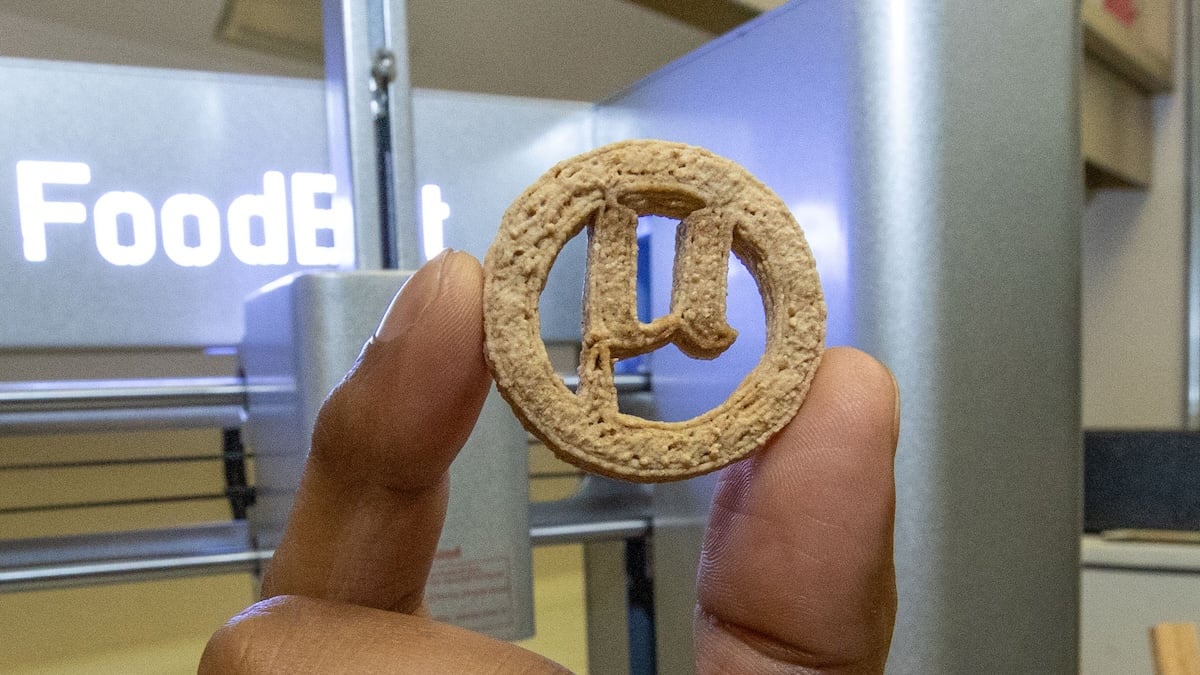
“`html
Researchers at Southern Illinois University Carbondale have developed an innovative approach to food production by creating edible cookies from recycled plastic waste. The cookies, branded as µBites (microbites), represent a breakthrough in converting discarded materials into consumable products through advanced processing techniques.
The manufacturing process begins with oxidative hydrothermal dissolution, which uses oxygen, water, intense heat, and high pressure to break down polyethylene terephthalate plastic and agricultural waste into carbon components. These materials are then converted into liquid feedstock and introduced to specially engineered yeast strains. Different yeast varieties have been designed to produce various food elements including proteins, lipids, vitamins, and flavorings such as vanilla and beta-carotene. The resulting dough is shaped using 3D printing technology and finished in a microwave.
The research emerged from NASA’s Deep Space Food Challenge and was recently presented at an American Chemical Society symposium. Scientists indicate the technology could serve critical applications in submarines, disaster relief operations, and potentially future space missions on Mars or the Moon. Currently, the system requires one to two days to process materials and converts over half the carbon waste into food products, though developers aim to improve efficiency to nearly complete conversion rates.
While sensory evaluations suggest pleasant aroma and texture, human taste tests remain pending until safety protocols are completed. Researchers have confirmed the cookies are free from toxic chemicals, heavy metals, allergens, and pathogens through laboratory analysis and third-party testing.
“`
Originally reported by Sciencealert →
About the Author