
Only Cats Are Linked to Worse Mental Health in Young Kids, Study Finds
 What are they doing to the kids?
“`html
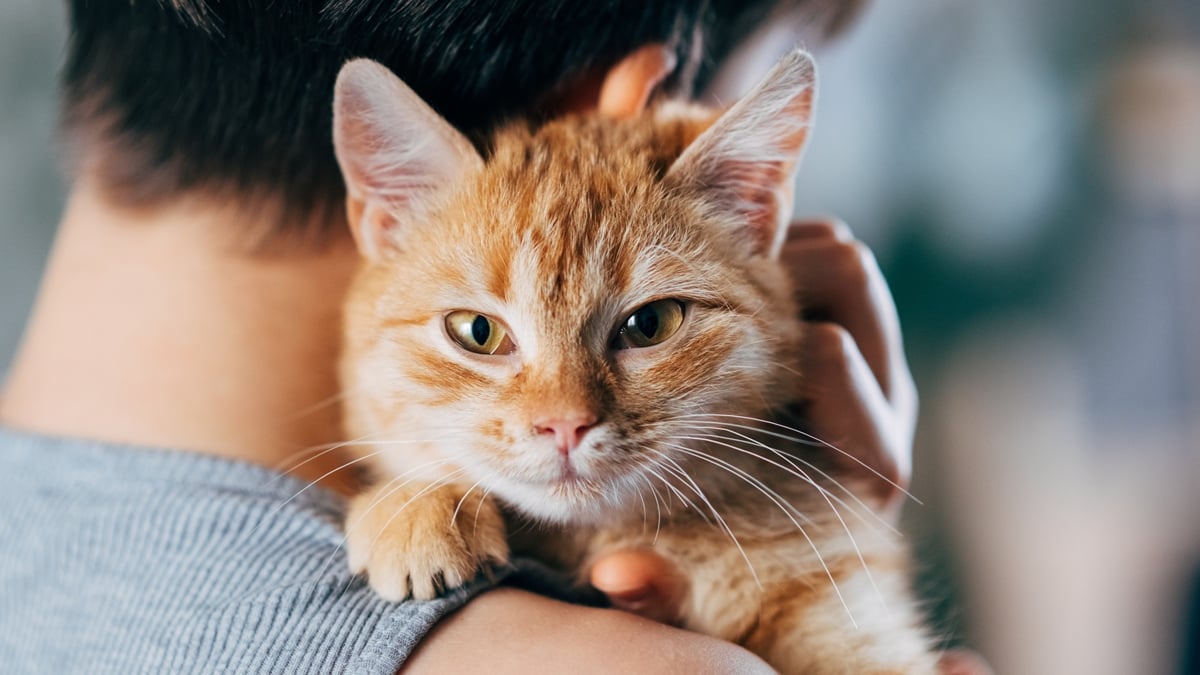
A recent study examining the relationship between pet ownership and childhood mental health has uncovered unexpected findings. Spanish researchers analyzed data from nearly 1,900 families with children aged 7 to 8 years old, tracking pet ownership patterns since the early 2000s. Their investigation, published in the World Journal of Pediatrics, revealed a surprising distinction: while most pets showed neutral effects on children’s psychological well-being, cat ownership during ages 4-5 was associated with increased emotional and behavioral problems.
The research employed comprehensive questionnaires and medical records to evaluate children’s mental health across multiple dimensions, including emotional symptoms, conduct issues, and social interactions. Approximately one-quarter of participating families maintained pets, with dogs and cats being most common. Notably, children who owned cats during early childhood showed higher risks for both internalizing behaviors—such as anxiety and depression—and externalizing behaviors involving rule-breaking and social disruption.
Conversely, ownership of other animals including rabbits, reptiles, and amphibians appeared to provide protective mental health benefits. The researchers proposed several explanations for these findings, including differences in how children bond with various species, the reduced outdoor activity typically associated with indoor cats, and the possibility that families with children experiencing behavioral challenges may preferentially select lower-maintenance pets. The scientists emphasized that their observational study cannot definitively determine causation, noting the complex interplay between pet selection, family circumstances, and child development.
“`
Originally reported by Sciencealert →
About the Author