Arthritis Drug Restores Up to 100% of Hair in Patients With Severe Alopecia
 Effective and safe.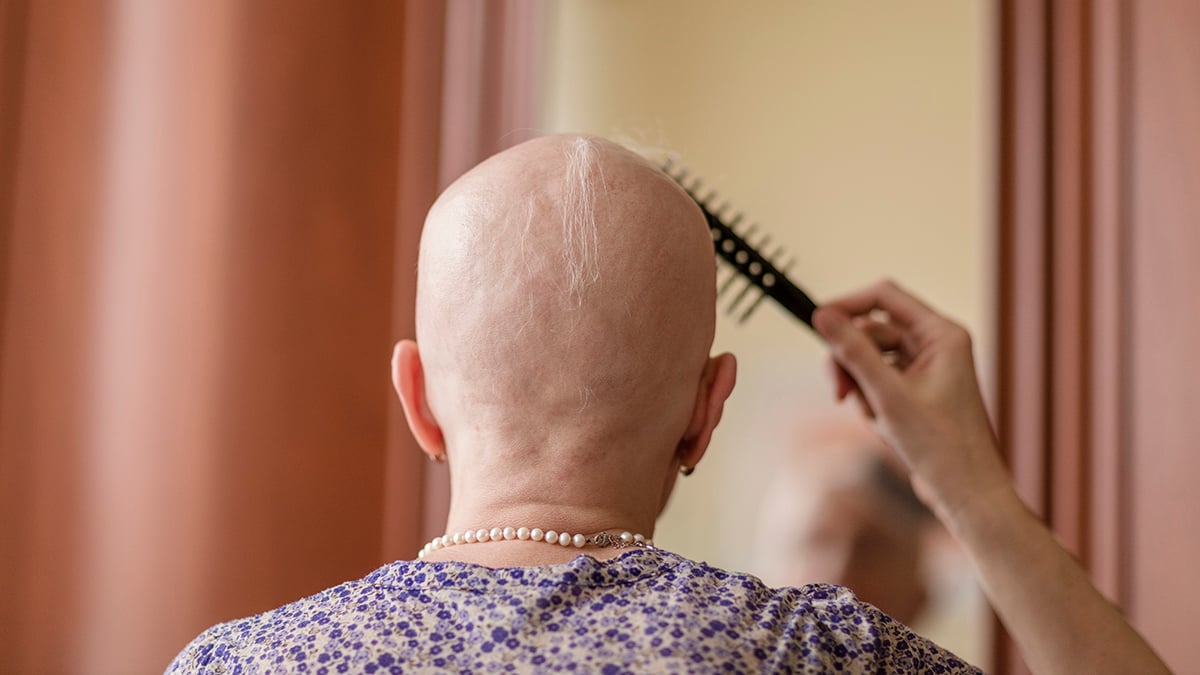
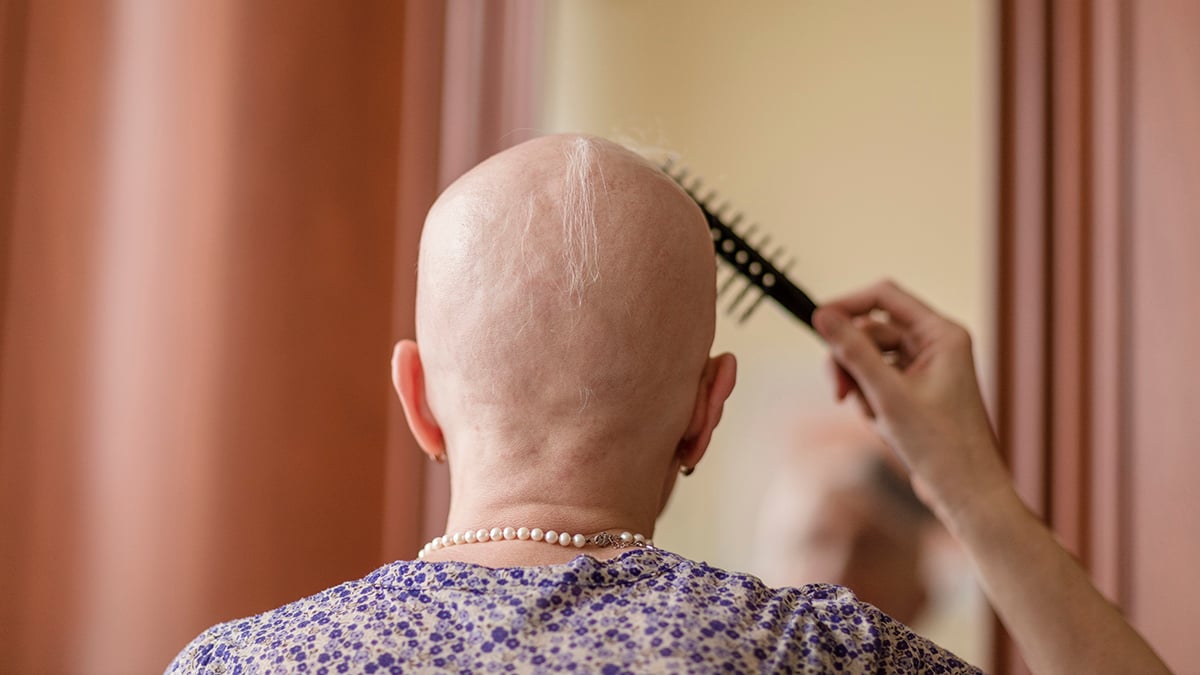
Researchers have identified a promising new treatment for severe alopecia areata, a condition affecting approximately 2 percent of the global population. The immune system disorder causes significant hair loss and psychological distress by mistakenly attacking hair follicles. While the hair follicles themselves remain intact and the condition can potentially reverse, current treatment options remain limited and often ineffective, particularly for younger patients.
In parallel Phase 3 clinical trials involving 1,399 participants aged 12 to 64, an arthritis medication called upadacitinib demonstrated substantial effectiveness compared to placebo. Over a 24-week period, participants receiving either 15 or 30 milligrams daily showed dramatic improvements in hair regrowth. Between 44 and 55 percent of treated participants achieved an 80 percent scalp hair coverage threshold, compared to just 1.5 to 3.4 percent in the placebo group. Notably, 13 to 22.5 percent experienced complete hair restoration.
The medication works by suppressing immune-system activity that targets hair follicles, with measurable results appearing as early as eight weeks into treatment. Participants also reported significant improvements in quality of life and emotional well-being. The drug demonstrated a favorable short-term safety profile, with serious adverse effects occurring in only a small percentage of users.
Though promising, the findings warrant caution. The trials lasted only 24 weeks, leaving long-term effects unknown. Additionally, the pharmaceutical company manufacturing upadacitinib funded and helped design the research. Researchers emphasize that additional testing against existing treatments is necessary before confirming its clinical value for alopecia areata patients.
Originally reported by Sciencealert →
About the Author