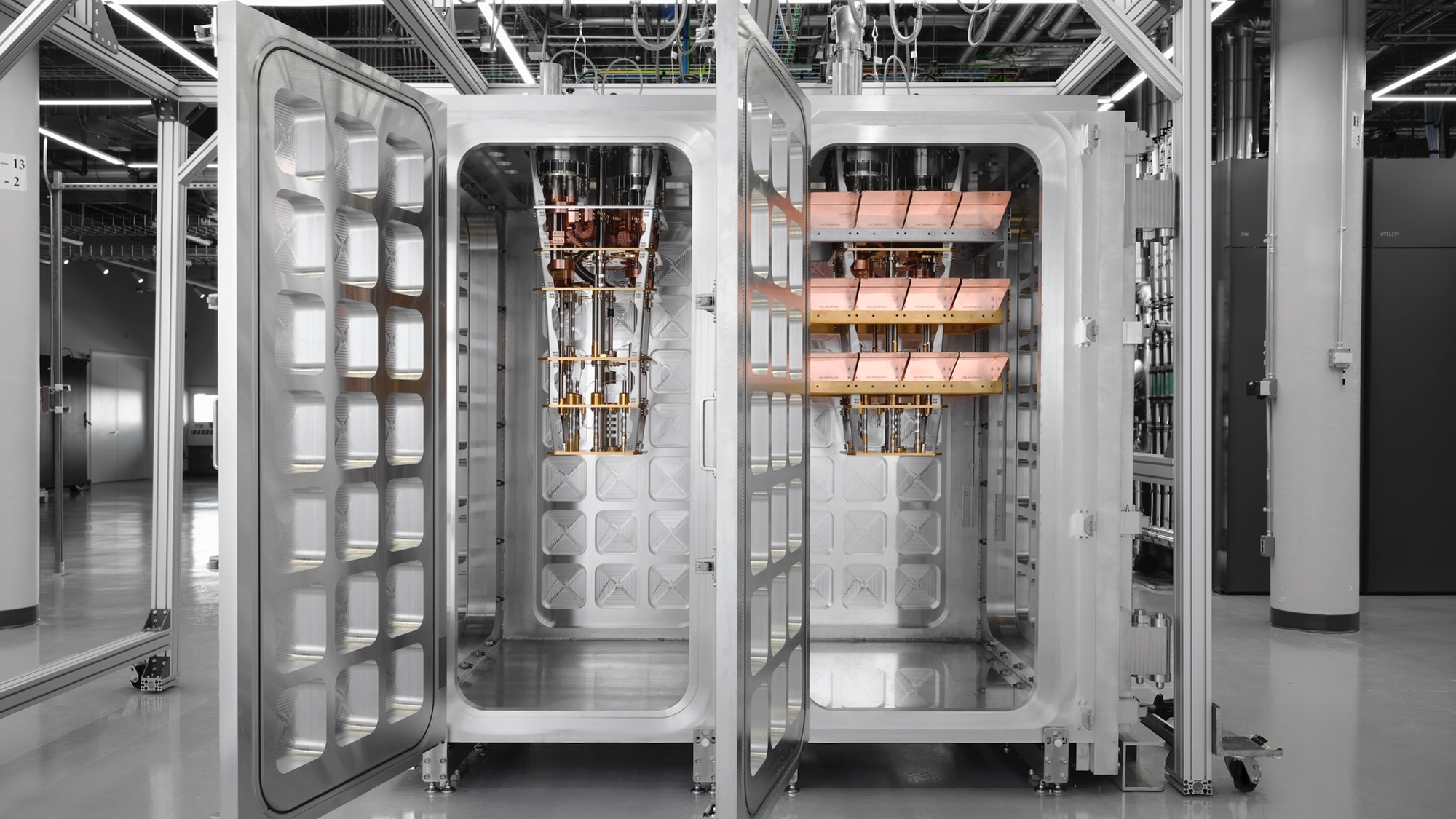
IBM has announced a breakthrough in quantum computing infrastructure with its new modular cryogenic systems, designed to connect multiple quantum processor chips and address a major technical obstacle in the field. The company plans to deliver the world’s first fault-tolerant quantum computer by 2029, utilizing quantum error correction methods to minimize computational errors and enable continuous operations without interruption.
The refrigeration units, which resemble household appliances but measure 8 feet tall and wide, can reach temperatures as low as 10 millikelvins—approximately 180 times colder than outer space. These extreme temperatures are essential for IBM’s superconducting quantum processors to function properly. The modular design allows engineers to expand system capabilities incrementally and perform maintenance without disrupting overall operations, solving a critical infrastructure challenge that previously hindered the development of larger quantum systems.
A key innovation in IBM’s approach involves “L-couplers,” superconducting cables roughly one meter long that enable quantum operations between separate cryogenic modules. Scientists have successfully demonstrated interconnectivity between two modules and conducted basic gate operations using the Flamingo processor. IBM plans to deploy the new architecture in 2027 with initial systems supporting approximately 1,000 qubits combined, progressing toward the “Starling” quantum computer capable of performing 100 million quantum operations by 2029.
The achievement represents a significant engineering milestone, though other companies are also pursuing fault-tolerant quantum computing capabilities. IBM executives emphasized that reaching fault tolerance requires thousands of incremental engineering advances across processors, software, controls, and error correction systems rather than a single breakthrough.
Originally reported by Livescience →
About the Author