Forget Acid Rain: Electrically Charged Raindrops Can Corrode Metal in a Way We Never Knew About
 This is a problem.
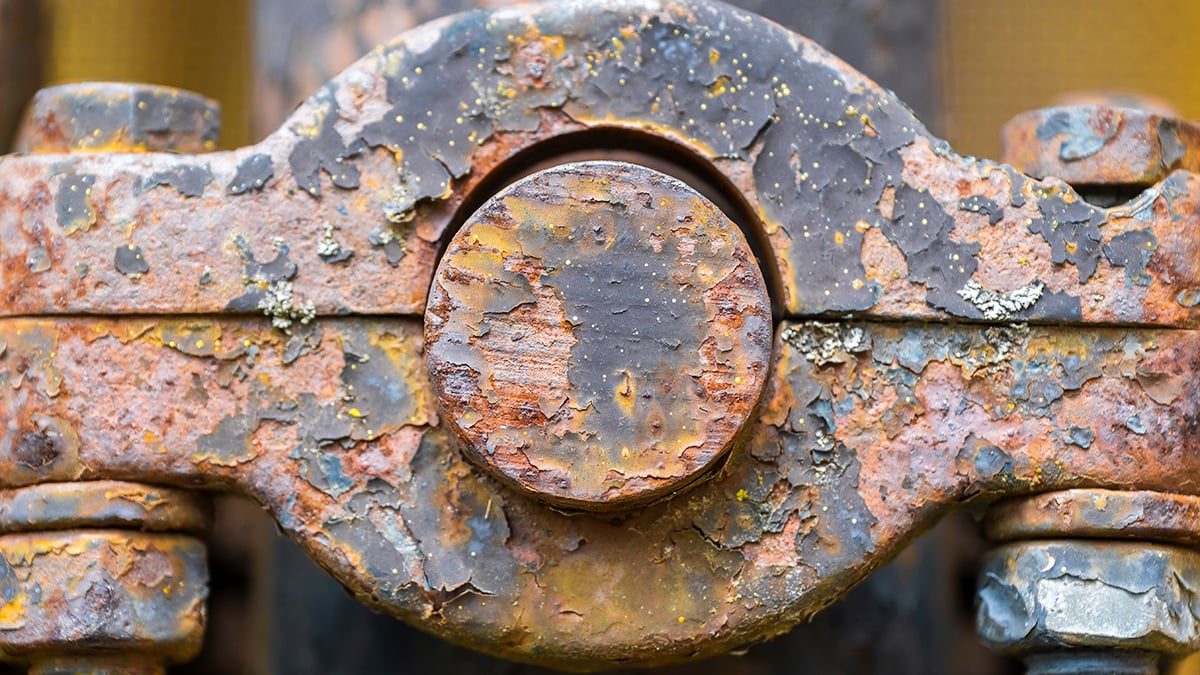
A previously unknown mechanism of metal corrosion has been discovered by researchers at Germany’s Max Planck Institute for Polymer Research. Scientists found that water droplets carrying electrical charges can damage protective coatings on metals like copper and gold through a process called dielectric breakdown, exposing the underlying material to rust and degradation.
The research team conducted extensive laboratory experiments where charged water droplets were rolled across various surfaces before striking or sliding over coated metal samples. Results demonstrated that the electrical charge accumulated as droplets moved, causing significant damage to the protective layers. In contrast, electrically neutral water produced no damage, confirming the charge itself as the damaging factor rather than physical impact alone.
Water droplets become naturally charged through contact with different surfaces, similar to static electricity generation. This phenomenon occurs in numerous environments, including thunderstorms, ocean waves, and industrial processes. The findings suggest that this corrosion mechanism may be responsible for degradation observed on buildings, vehicles, sculptures, ships, and other metal structures worldwide.
While the study was limited to controlled laboratory conditions, researchers acknowledge that naturally occurring charged rainwater could represent a significant threat to metal infrastructure. Future research is needed to determine how widespread this corrosion mechanism is in real-world conditions and to develop improved protective coatings capable of resisting charge-induced damage.
Originally reported by Sciencealert →
About the Author