
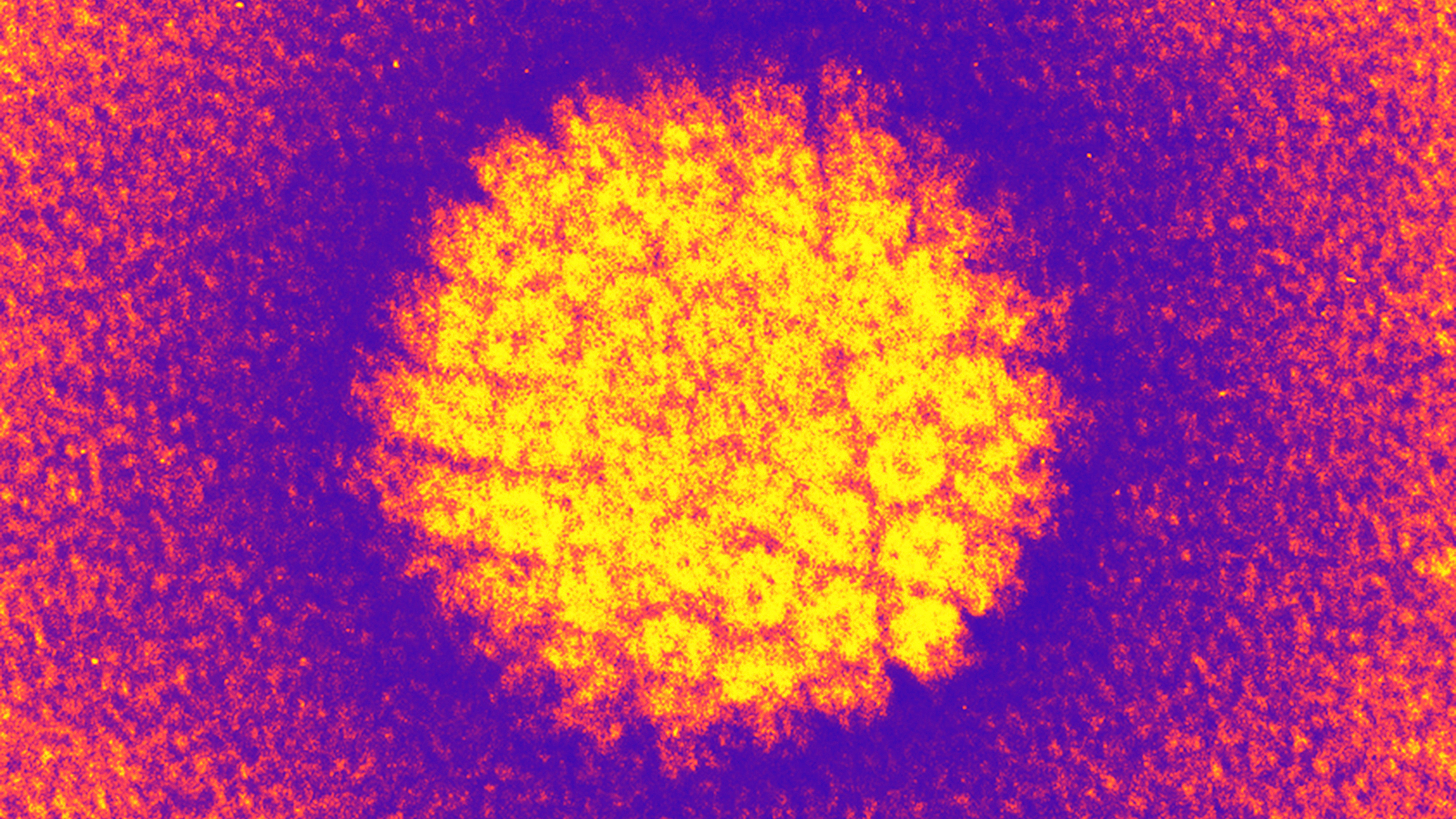
While vaccination efforts have successfully reduced cervical cancer rates among women, medical experts are sounding an alarm about a troubling countertrend: cases of HPV-related throat and mouth cancers are rising significantly, particularly among men. Research shows that oropharyngeal cancer diagnoses have more than tripled since the late 1980s, with men accounting for the vast majority of new cases. Currently, approximately 13,600 men are diagnosed annually with HPV-linked throat cancers compared to just 2,400 women, underscoring a stark gender disparity in disease burden.
The human papillomavirus spreads through sexual contact, including oral sex, and most sexually active adults will encounter the virus at some point. While many people’s immune systems naturally clear HPV within a few years, the virus can persist silently in the body for decades before triggering cancerous changes. Men appear especially vulnerable to chronic oral HPV infections and are slower at clearing the virus than women, suggesting potential biological differences in immune response. The recent explosion in cases among middle-aged and older men likely stems from increased sexual activity following the 1960s sexual revolution, occurring well before HPV vaccination became available in 2006.
Unlike cervical cancer, which can be detected through Pap smears and preventive screening, oropharyngeal cancers lack effective early detection methods. Most diagnoses occur only after patients develop noticeable symptoms. However, the outlook remains relatively favorable, with treatment success rates between 85-90% for five-year disease-free survival. Widespread HPV vaccination among young people offers the most promising long-term solution, with experts urging parents to vaccinate both daughters and sons to prevent future cancer cases.
Originally reported by Livescience →
About the Author