
College football continues to grapple with systemic instability as new controversies emerge faster than solutions can be implemented. Recent events, including LSU’s attempt to add former NFL players to its roster just before the season opener, highlight how the sport lacks coherent governance structures that can address emerging problems.
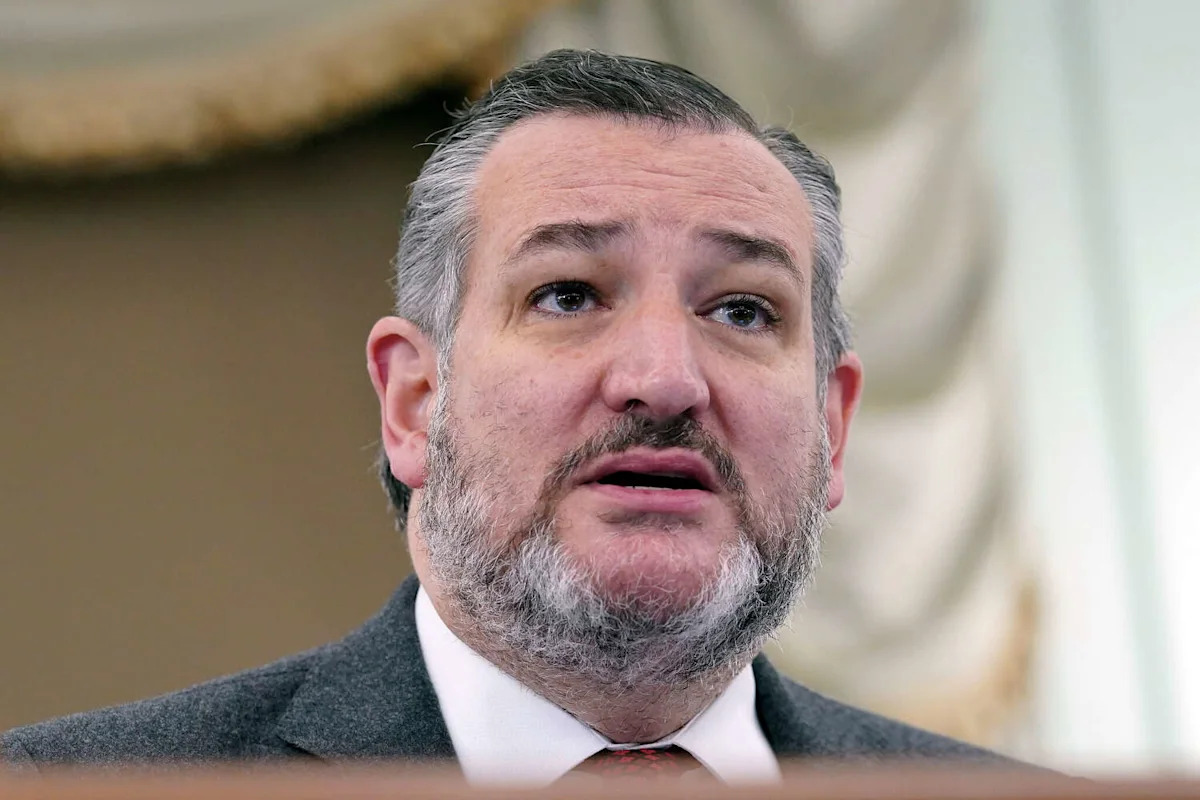
Senator Ted Cruz recently proposed legislation aimed at stabilizing the sport, claiming his bill would “bring order to the chaos.” However, many observers question whether congressional intervention can truly solve issues rooted in the sport’s fundamental structure. The current crisis surrounding eligibility rules appears to stem from a one-year loophole related to the NCAA’s new five-year eligibility policy, a situation likely to resolve itself naturally before next season.
The broader challenge facing college football is that each resolution to one problem typically creates new complications elsewhere. Whether involving satellite camps, name-image-likeness compensation, or revenue sharing, college sports leaders continuously encounter novel challenges requiring adaptation. This ongoing cycle suggests that lasting reform requires either foresight that anticipates future issues or structural changes that prevent loopholes from arising.
Many stakeholders, including university presidents and athletic directors, have pushed for congressional action rather than self-regulation. Industry observers increasingly believe the sport will ultimately see athletes gain collective bargaining rights, which would create enforceable contracts and consistent eligibility standards. Until then, the fundamental instability characterizing college football may persist despite legislative efforts.
Originally reported by Sports.yahoo →
About the Author