Your Heart Can Actually Build Its Own Bypass After a Heart Attack
 This is crazy.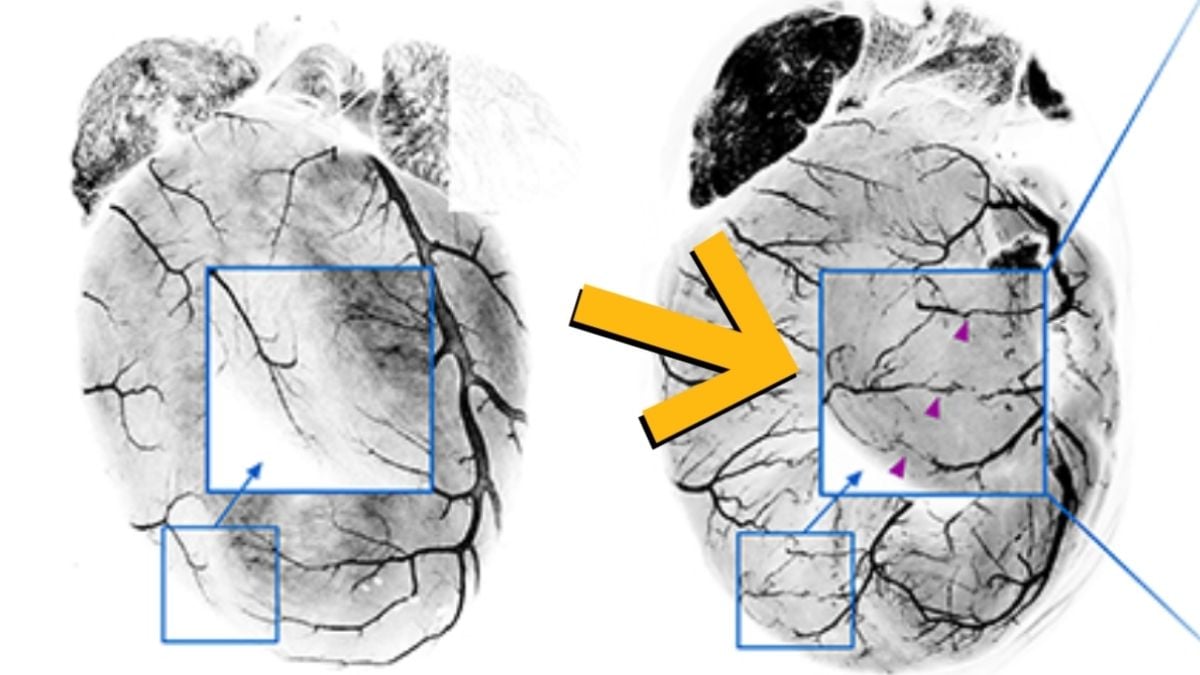
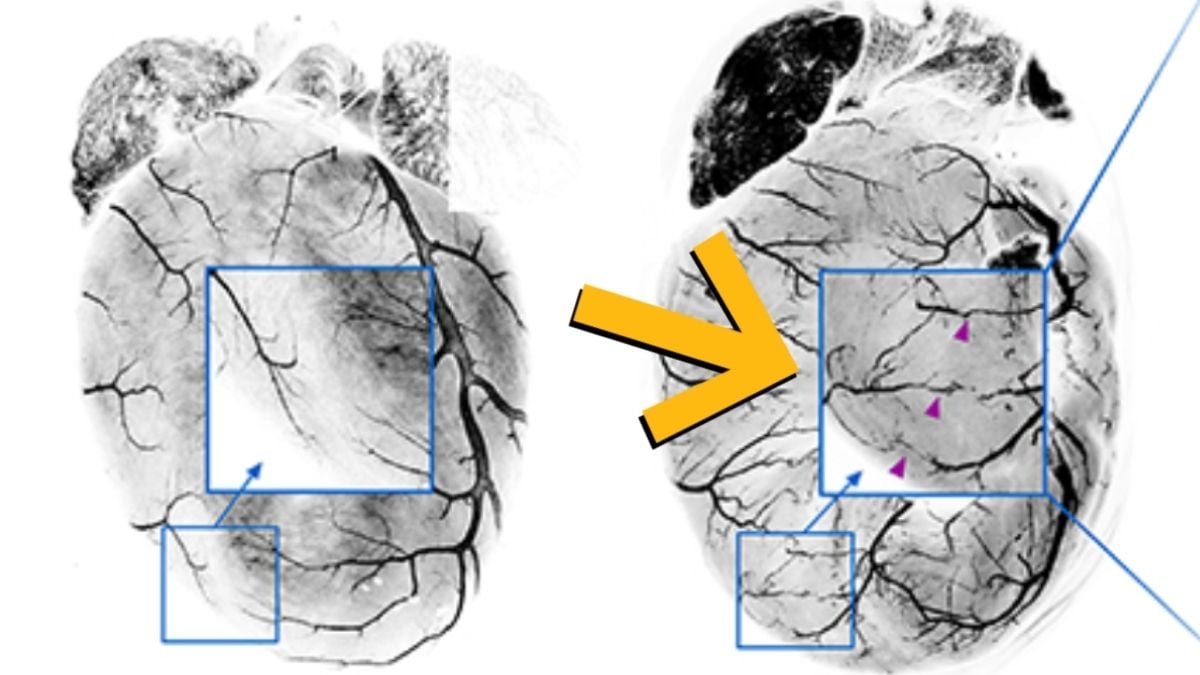
Researchers have discovered a remarkable natural mechanism that allows the heart to create its own bypass routes following a heart attack. When coronary arteries become blocked during cardiac events, the organ activates emergency biological responses to restore blood flow. A team from the University of Chinese Academy of Sciences has identified a previously unknown repair pathway that could fundamentally change how we treat heart attack patients.
Using advanced cell-tracking techniques in mouse models, scientists found that tiny capillaries—rather than larger arteries—are responsible for most of the bypass construction work. These microscopic blood vessels essentially transform themselves into artery-like structures, mirroring a process that occurs naturally during fetal heart development. This capillary arterialization represents the heart’s sophisticated attempt to redirect blood flow around damaged tissue and restore function.
To enhance this natural healing process, researchers tested whether supplementing the signaling protein VEGF-A could strengthen the bypass formation. Mice receiving optimized doses of this protein showed improved blood flow around injured areas, reduced scarring, and better overall heart function. While these findings come from animal studies, researchers believe similar mechanisms likely operate in human hearts following cardiac events.
The discovery opens promising avenues for new therapeutic approaches. By boosting the body’s inherent repair capabilities immediately after a heart attack, treatments could potentially minimize long-term damage and prevent subsequent cardiovascular complications. This research represents a significant step toward improving outcomes for the millions affected by heart disease annually.
Originally reported by Sciencealert →
About the Author