Wild Experiment Reveals Quantum Objects Do Obey Gravity
 Exploring "one of the most fundamental questions in physics."
“`html
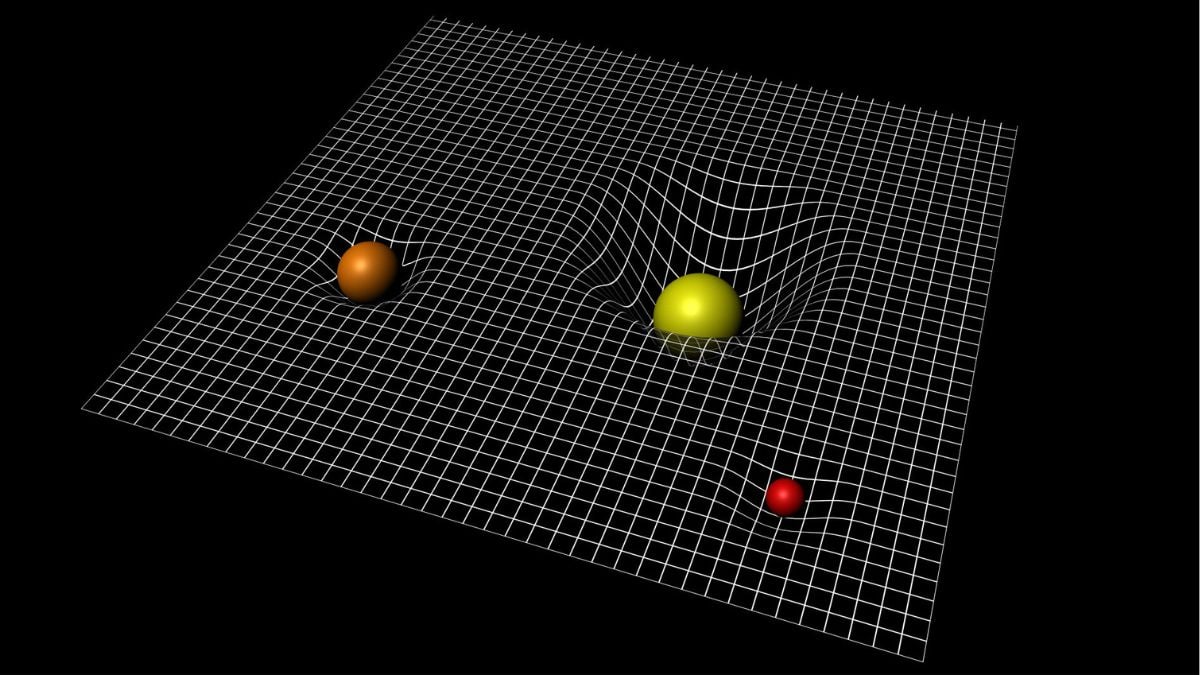
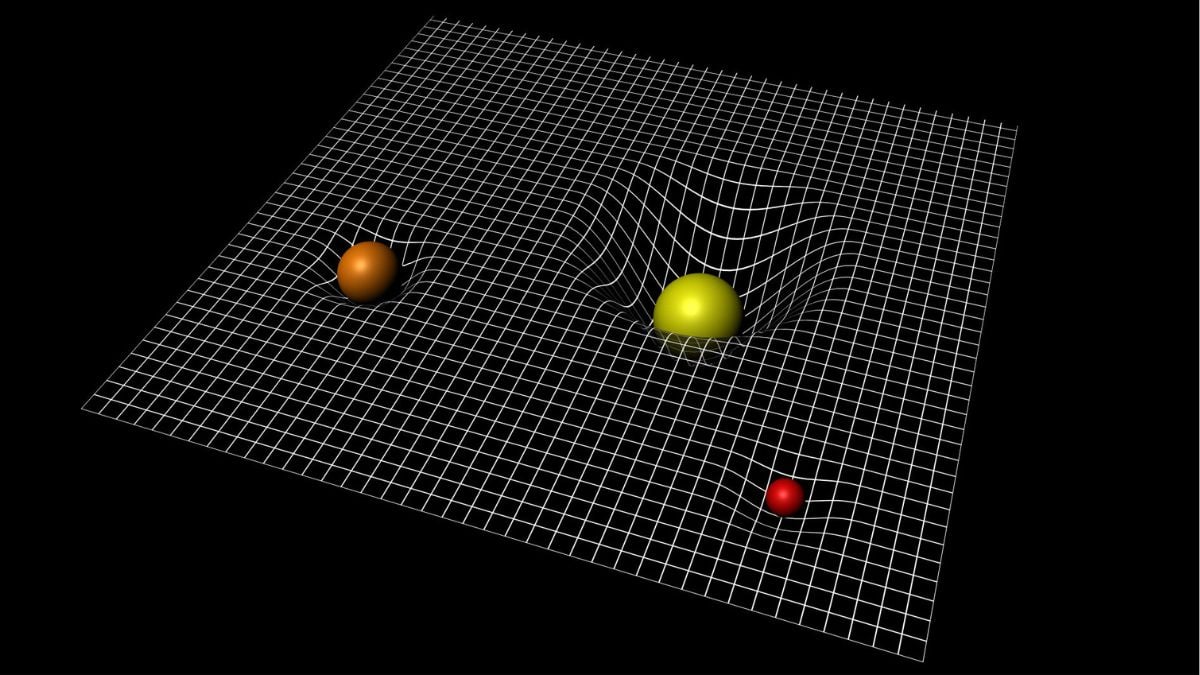
Physicists have achieved a significant breakthrough in understanding how gravity affects quantum objects, providing the first direct experimental evidence that the equivalence principle—a cornerstone of Einstein’s general relativity—applies at the quantum scale. This finding addresses one of modern physics’ most fundamental questions: how to unite quantum mechanics and gravitational theory into a single framework.
Researchers led by Ron Folman at Ben-Gurion University of the Negev developed an innovative apparatus called the Quantum Galileo Interferometer to conduct the experiment. The device used an atom chip to generate magnetic fields that manipulated approximately 20,000 rubidium atoms cooled to near absolute zero, creating a Bose-Einstein condensate—a state of matter where atoms behave as a single unified entity rather than individual particles.
The experiment split quantum wave packets along two different paths: one remained stationary relative to Earth while subjected to a magnetic force opposing gravity, while the other was launched upward and allowed to fall freely. When the researchers merged these paths, the resulting interference patterns confirmed that the equivalence principle, which states gravity should disappear during free fall, holds true in the quantum realm.
While this discovery does not prove gravity is quantum or represent a complete unification of the two theories, it opens new avenues for exploration. Researchers suggest future experiments using the Quantum Galileo Interferometer might test whether gravity itself operates in discrete packets of energy called gravitons, similar to how light travels in particles called photons.
“`
Originally reported by Sciencealert →
About the Author