
We’re Not Taking Harmful Cat Behaviors on The Internet Seriously Enough, Researchers Warn
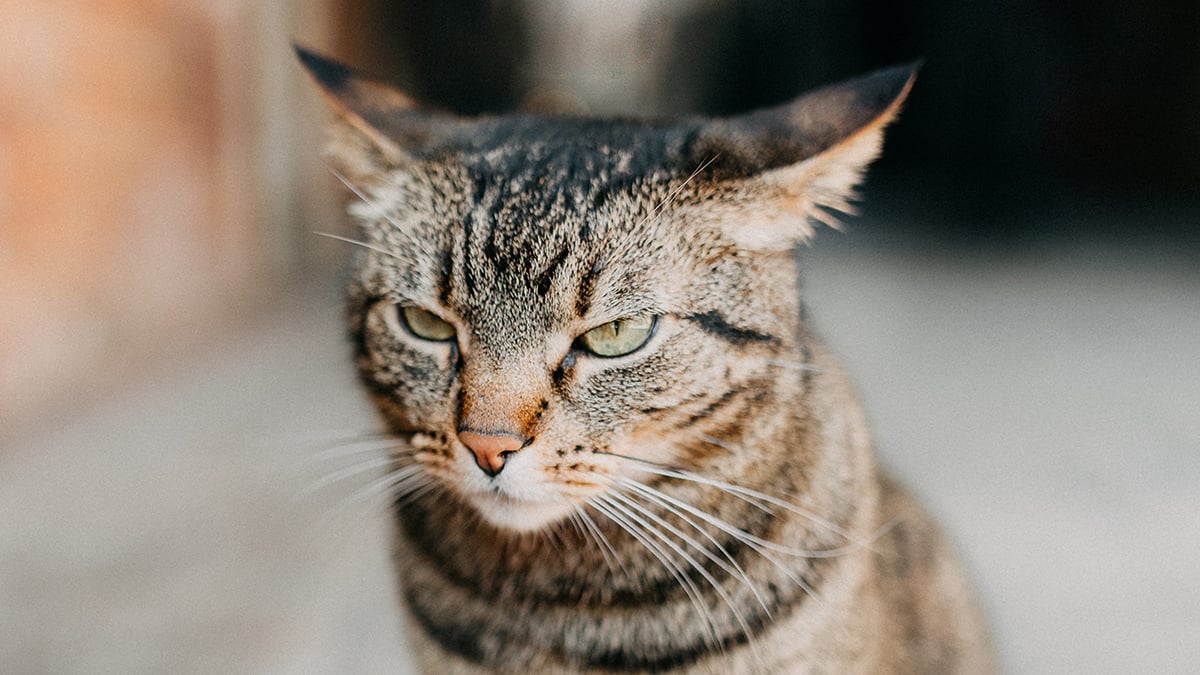 A worrying trend.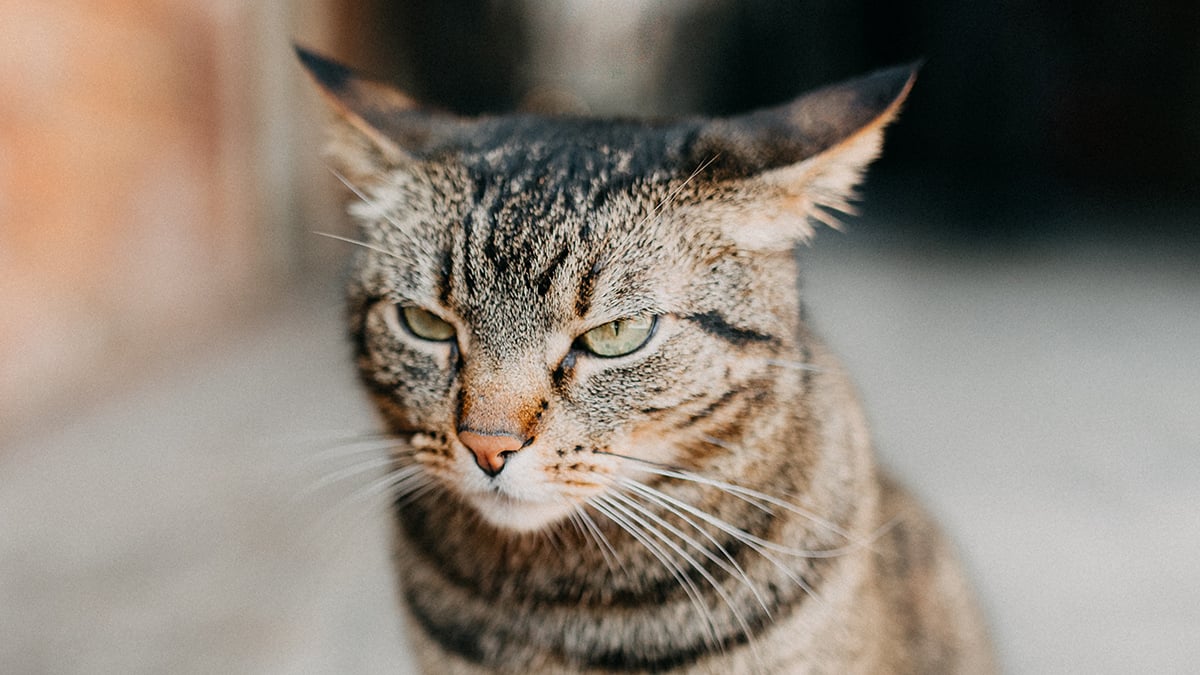
A team of researchers from Adelaide University has raised concerns about how online audiences perceive feline behavior in viral videos. The scientists examined eleven videos from major social media platforms featuring cat-human interactions that displayed clear signs of animal distress, such as hissing or escape attempts. Despite these warning signals, the vast majority of viewer comments—between 75 and 93 percent—remained positive about the interactions being shown.
The study, published in the journal Anthrozoös, identified nine distinct patterns in how commenters rationalized the cats’ distress signals. Common justifications included beliefs that cats would simply leave if uncomfortable, misinterpretations of feline body language, and assertions that the behavior was actually endearing or beneficial. Researcher Julia Henning noted that when cats’ early warning signs go unrecognized, they experience stress that can become chronic with repeated unwanted interactions, potentially damaging their health and well-being.
Beyond animal welfare concerns, the research revealed that seven of the eleven videos showed observable human injuries resulting from the interactions. The scientists argue that social media’s algorithm-driven structure may be amplifying these perceptions by rewarding engagement regardless of content quality. They contend that simple educational approaches about cat body language will be insufficient without broader efforts to address underlying cognitive biases and the normalization of animal distress online.
Originally reported by Sciencealert →
About the Author