
We May Finally Know Why Mysterious Mushroom Fairy Rings Grow in Circles
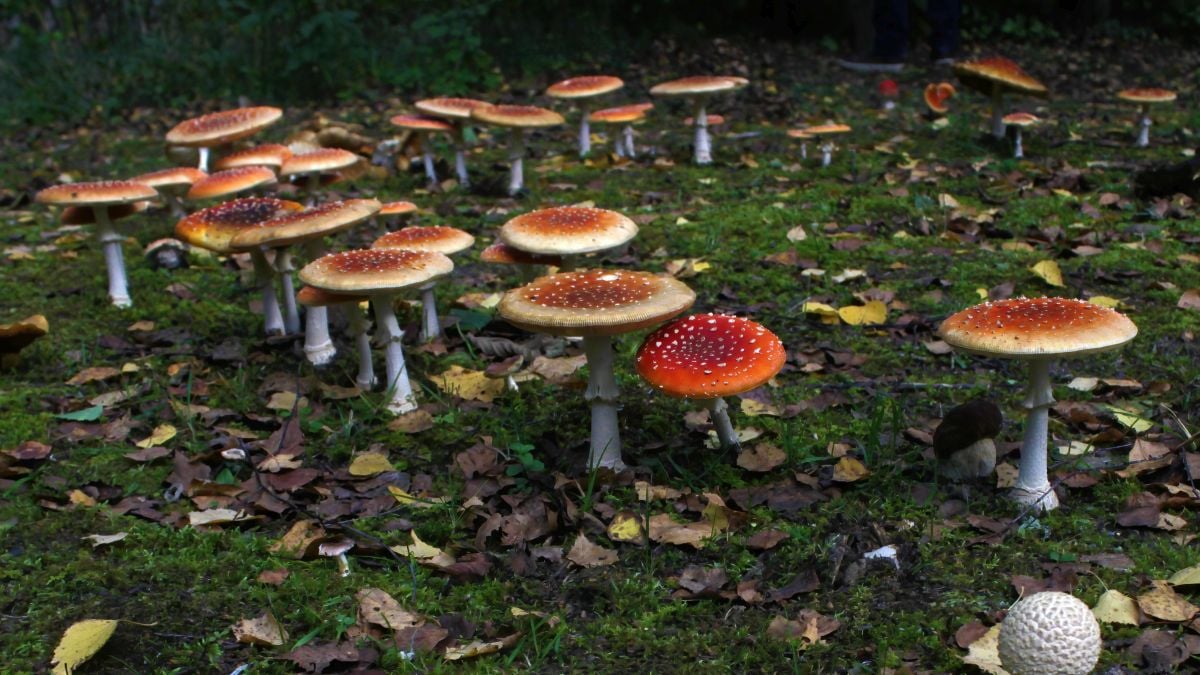 Creepy.
“`html
For centuries, fairy rings—mysterious circular arrangements of mushrooms appearing in forests and meadows—have captivated human imagination and inspired folklore about supernatural beings. While these formations have long intrigued both the public and scientists, researchers have struggled to explain why fungi grow in rings rather than solid patches. Now, a team led by mycologist Hanna Johannesson from Stockholm University may have finally uncovered the answer through innovative research methods.
The scientists conducted their investigation on the fairy ring mushroom species Marasmius oreades, collecting soil samples from two rings in a Swedish cemetery. By analyzing DNA from these samples, they discovered that the fungal network, called mycelium, maintains a ring-shaped structure underground rather than filling the center. To understand why this pattern develops, the researchers performed a transplantation experiment, physically moving sections of the fungal rings and observing how they grew over the following 14 months.
Their findings suggest that fungi may be actively fleeing from unfavorable conditions in their wake. According to their transient-escape hypothesis, the soil directly behind the advancing growth front becomes temporarily unsuitable for the fungus, prompting it to continue expanding outward into more favorable territory. This could occur either because the fungus depletes nutrients as it spreads or because it releases inhibitory substances that temporarily make the surrounding soil inhospitable.
While these results offer promising insights, researchers acknowledge that further investigation is necessary to fully understand the mechanisms driving this phenomenon. Additional studies examining more rings and controlled laboratory experiments will help validate these preliminary findings and potentially solve one of nature’s enduring mysteries.
“`
Originally reported by Sciencealert →
About the Author