
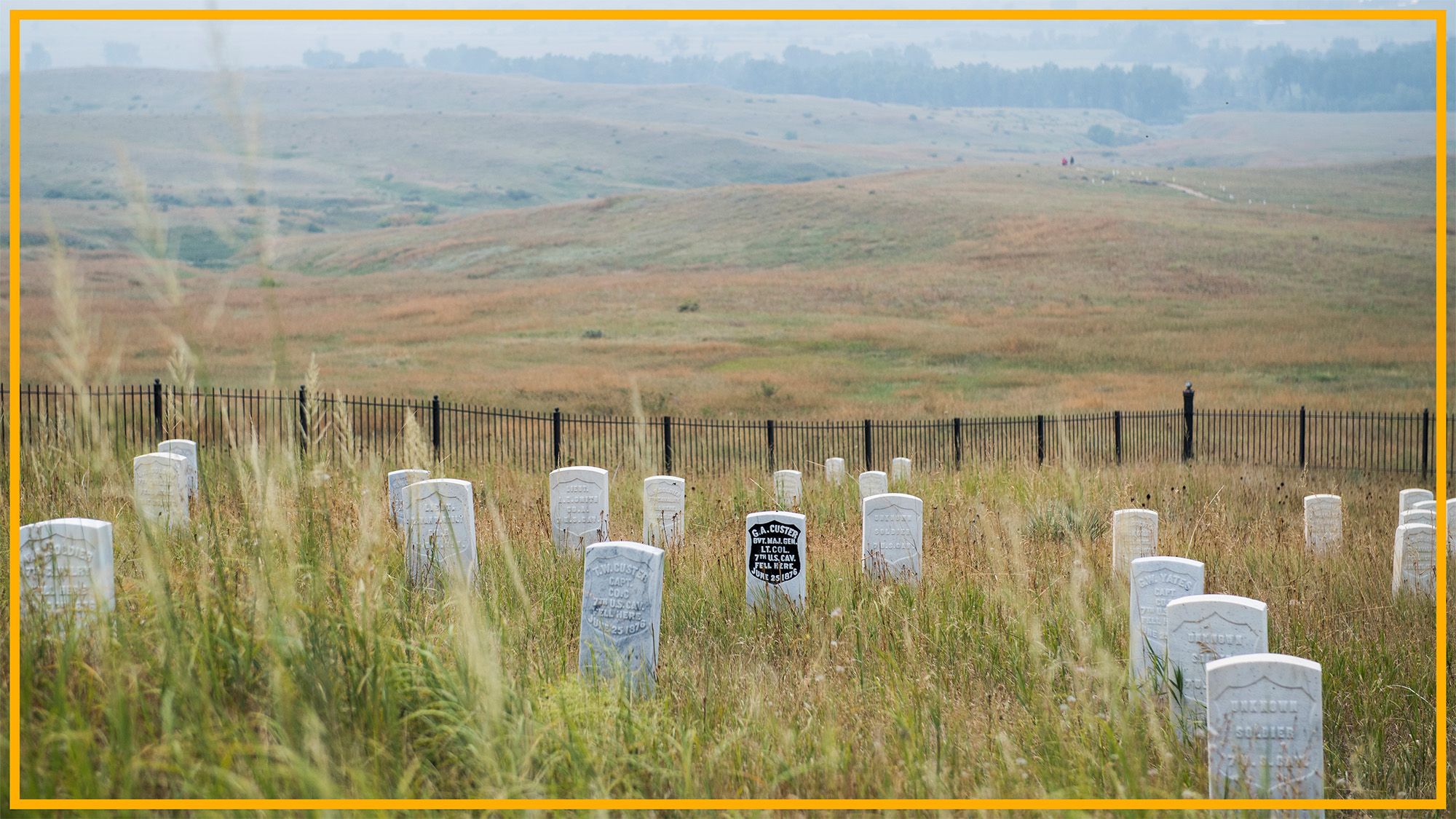
The Advisory Council on Historic Preservation voted in July to advance new regulations that would significantly alter how the National Historic Preservation Act’s Section 106 is enforced. The rule changes would reduce protections for culturally significant sites across the United States, potentially affecting battlefields, archaeological sites, and sacred Indigenous locations.
Under the proposed regulations, federal agencies would gain discretion to decide whether public participation is necessary before approving projects affecting historic properties. The rules would also allow agencies to proceed without consulting Tribal Nations on projects that may damage sacred sites, despite federal law requiring government-to-government consultation. Additionally, the new definition of “historic property” would exclude natural features and cultural landscapes, removing protections for approximately 99 percent of American Indian heritage sites, including locations like Gettysburg, Little Bighorn, and Chaco Canyon.
The regulations also weaken the definition of “Adverse Effect,” potentially allowing projects like casinos or amusement parks to be constructed near historically significant locations without triggering preservation requirements. Federal agencies would no longer be required to minimize harmful impacts if other economic considerations are deemed more important, shifting the balance from the existing compromise between development and heritage protection toward industry interests.
The proposed rules are currently under review by the White House Office of Management and Budget. Advocates for preservation are urging public engagement, warning that without intervention, irreplaceable American heritage could be permanently lost.
Originally reported by Livescience →
About the Author