
Your Body Has a ‘Second Heart’, And It’s Crucial You Keep It Pumping
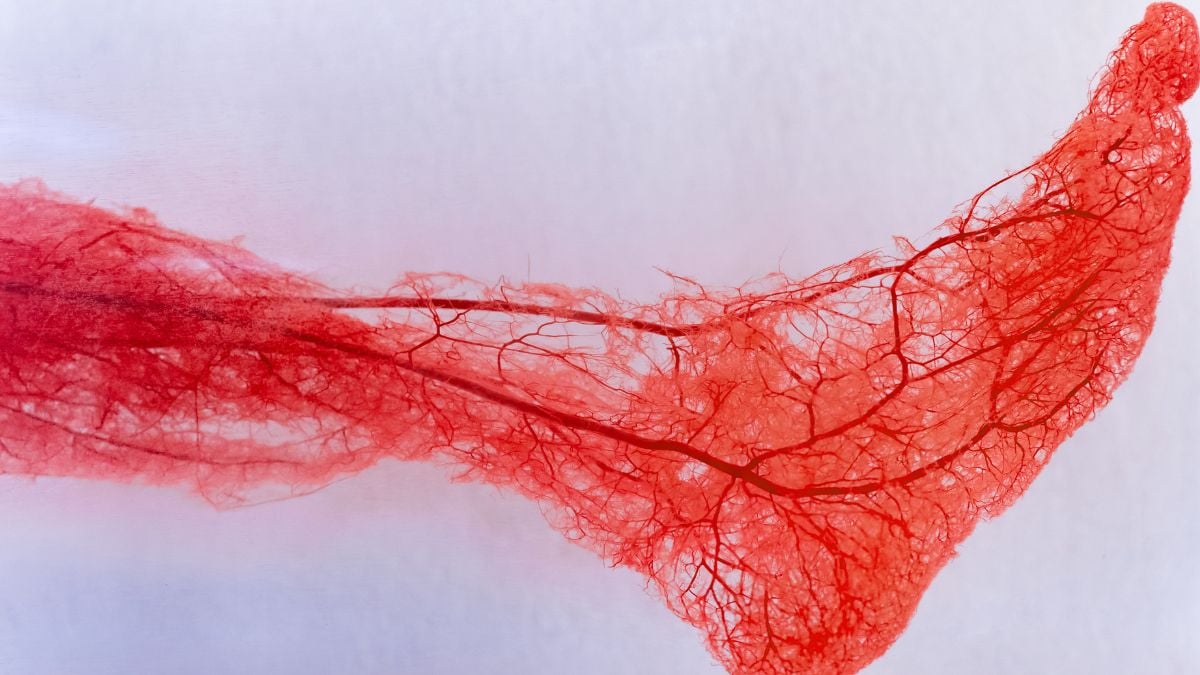 A vital factor in circulation.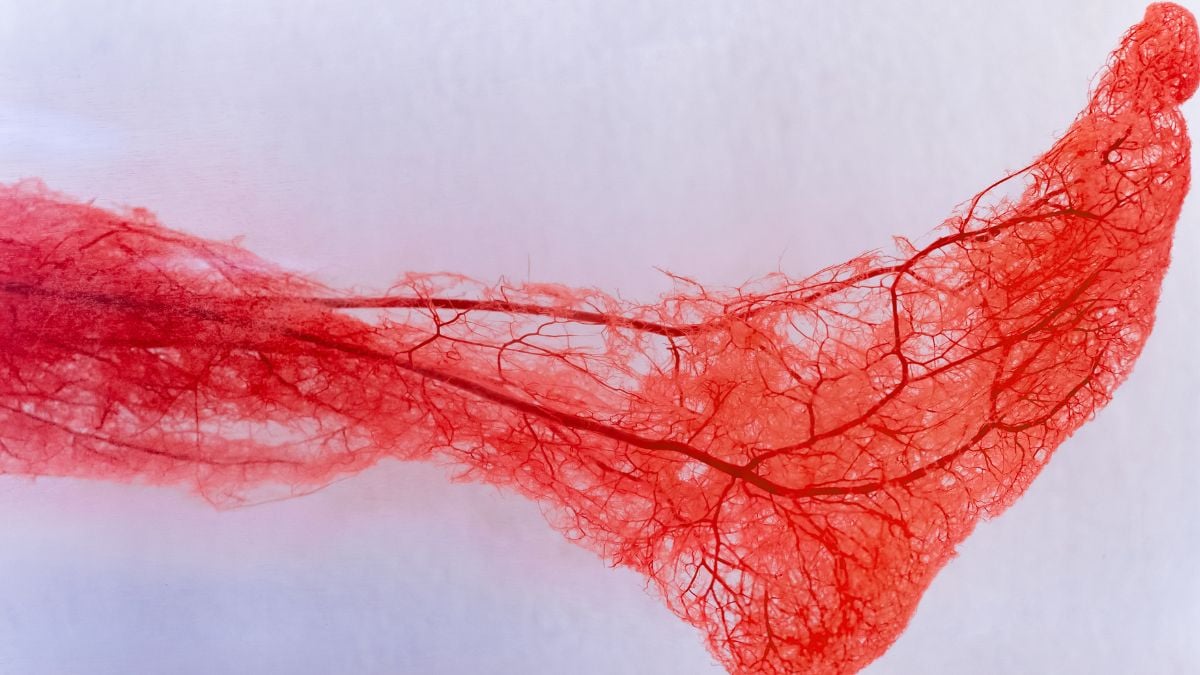
“`html
Located in the lower legs, the calf muscles play a surprisingly vital role in maintaining healthy circulation throughout the body. When you walk, run, or even rise onto your toes, these muscles contract and squeeze nearby veins, actively pushing blood upward against gravity back toward the heart. This biological mechanism has earned the nickname “second heart,” though it cannot actually replace the organ in your chest.
The importance of this calf muscle pump extends beyond simple comfort. A 2020 study of nearly 2,800 adults revealed that people with impaired calf pump function experienced significantly higher mortality rates over the following decade compared to those with normal function. A larger 2024 study of approximately 6,000 patients confirmed this finding, showing that individuals with the poorest pump function had more than double the mortality risk. While researchers cannot definitively prove that weak calves cause these outcomes, the correlation suggests that calf function may reflect broader aspects of physical health.
Maintaining an active calf pump is straightforward. Regular movement such as walking, stair climbing, or simply standing up from your desk at least once per hour can keep the mechanism functioning properly. The World Health Organization recommends 150 minutes of moderate-intensity activity weekly. Emerging research also suggests that specific heel-raising exercises might improve how the body processes glucose and fats after meals, offering potential metabolic benefits beyond improved circulation.
“`
Originally reported by Sciencealert →
About the Author