Abandoned Oil And Gas Pipes Are Still Contributing TONS of Microplastics Into The Ocean Each Year
 The marine plastics problem runs deeper than we realized.
“`html
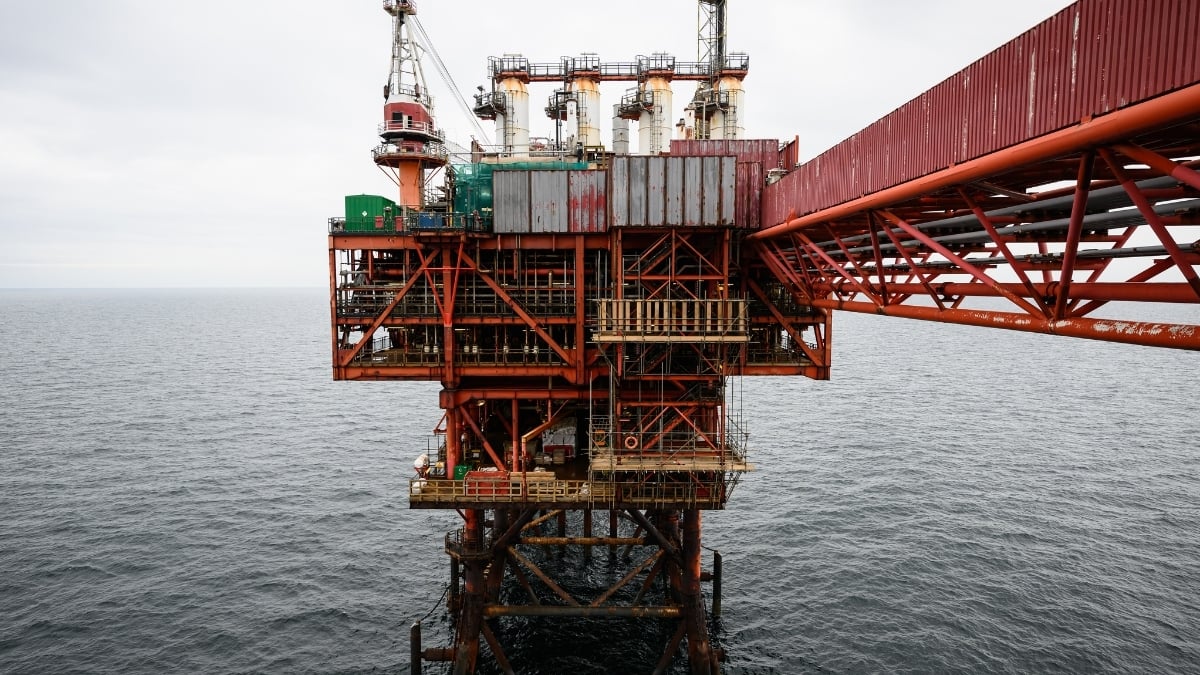
Abandoned offshore oil and gas infrastructure continues to contaminate ocean waters years after operations cease, according to new research published in the Journal of Hazardous Materials. Scientists have identified degrading pipelines and cables left on the seafloor as a significant yet largely unrecognized source of microplastic pollution affecting marine environments.
A study led by marine scientist Freija Mendrik from the University of Plymouth examined pipelines and umbilicals left behind on the UK continental shelf after decommissioning. Researchers estimate these deteriorating structures release between 4.5 and 500 metric tons of microplastics annually into the North Sea alone. The team analyzed recovered pipeline samples that had remained on the seafloor for more than two decades, discovering extensive cracking and fragmentation caused by ocean currents, abrasive sand, and marine organisms colonizing the pipes’ surfaces.
The findings reveal approximately 121,000 metric tons of plastic currently remain abandoned in the North Sea following oil and gas operations dating back to the 1960s. Researchers warn this environmental hazard extends globally, noting that the majority of decommissioned pipelines in the United States have similarly been left in place rather than removed. The study emphasizes that even under optimistic scenarios, the ongoing degradation of these legacy structures poses substantial risks to marine ecosystems.
Beyond microplastics, abandoned infrastructure continues leaching heavy metals and other contaminants into ocean waters with unknown consequences for marine life. Experts call for revised management and regulatory approaches to address this overlooked pollution source worldwide.
“`
Originally reported by Sciencealert →
About the Author