‘Unambiguous’: Ketamine Is an Opioid, New Molecular Evidence Shows
 Caught red-handed!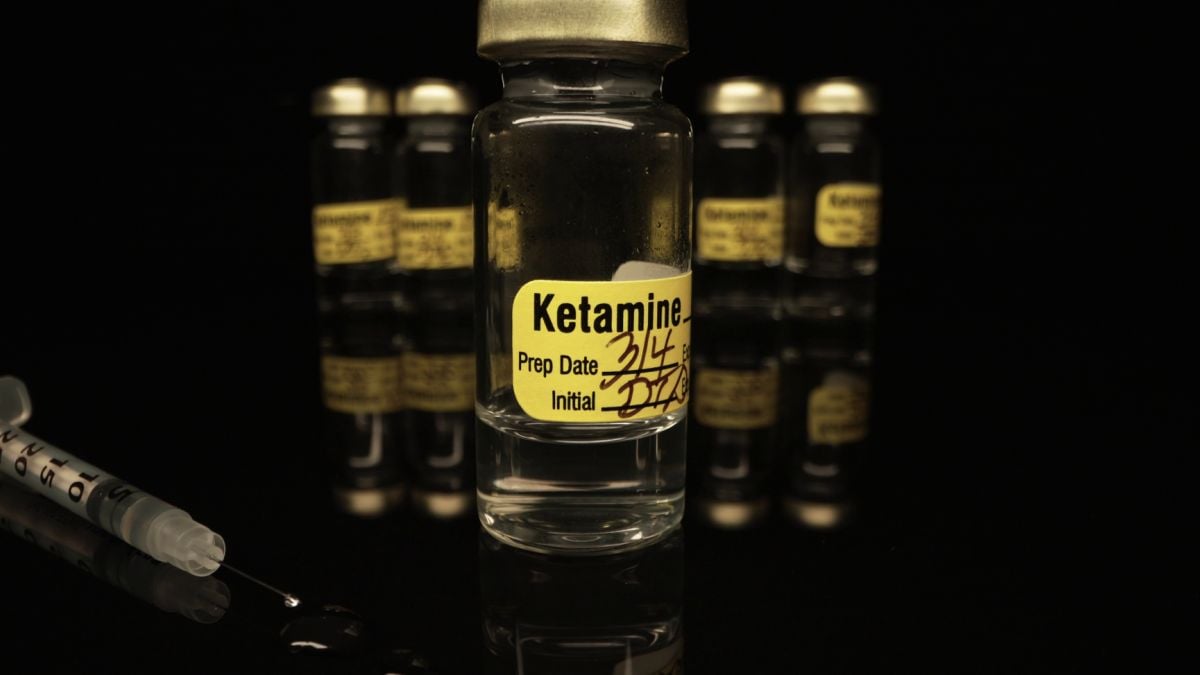
“`html
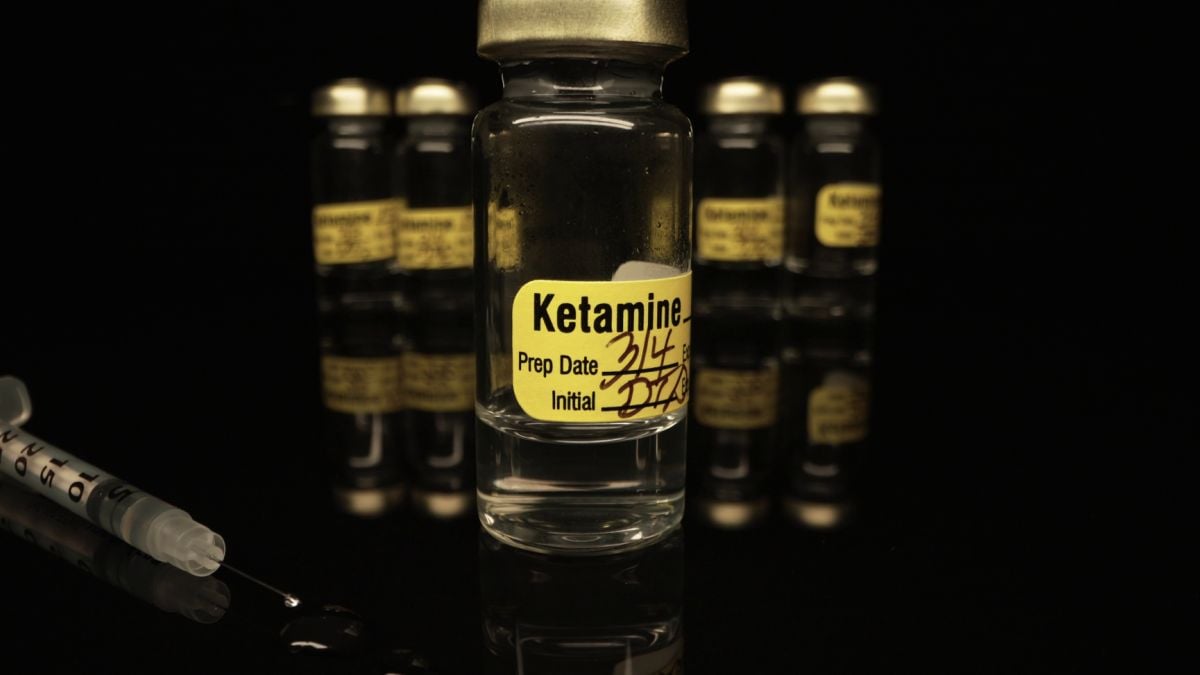
Researchers at Washington University School of Medicine have discovered molecular evidence that ketamine interacts directly with the brain’s opioid receptors, a finding that challenges the conventional understanding of how the drug works. The research, published in Nature Structural & Molecular Biology, provides what scientists describe as “unambiguous” proof that ketamine physically binds to these receptors, adding a new dimension to its known mechanism of action.
The study tested ketamine against three major classes of opioid receptors using human cells in laboratory settings and found that the drug could activate all three types, with stronger effects at the mu and kappa receptors. Using advanced cryo-electron microscopy technology, the research team observed ketamine nestled inside the primary binding pocket of opioid receptors—the same location targeted by conventional opioid medications. This direct structural evidence had previously eluded scientists despite technological advances in molecular imaging.
To confirm these effects matter in living systems, the researchers conducted experiments with mice. When given a sub-anesthetic dose of ketamine, mice showed reduced sensitivity to pain. However, when opioid-blocking drugs were administered first, ketamine’s pain-relieving effects disappeared entirely. This demonstrated that ketamine’s pain management capabilities depend at least partly on its interaction with opioid receptors, not just its previously understood effects on other brain receptors.
While ketamine still binds more strongly to NMDA receptors—its primary recognized target—the new evidence suggests its unique therapeutic properties may result from simultaneous action across multiple receptor systems. Scientists note this dual mechanism could explain ketamine’s unusual combination of anesthetic, pain-relief, and antidepressant properties and may inform more effective clinical applications.
“`
Originally reported by Sciencealert →
About the Author