
This Tree Has Sap So Toxic It Causes Blurred Vision And Can Kill You
 It can also be medicinal.
“`html
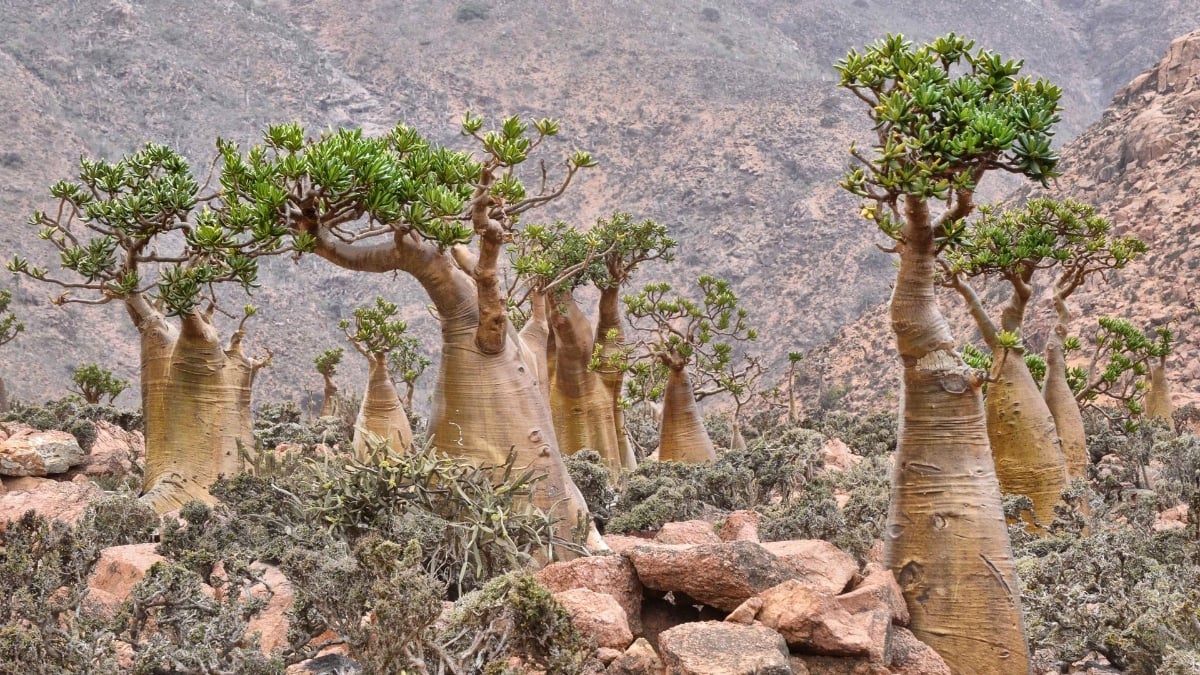
A striking tree native to the island of Socotra in Yemen presents a fascinating contradiction: while visually remarkable with its bulbous trunk and vibrant pink flowers, the plant harbors a potentially lethal secret. The desert rose, scientifically known as Adenium obesum, produces a milky sap containing compounds that can cause serious harm to those who consume it. Reported effects of exposure include vision problems, vomiting, and dangerous irregularities in heart function that can prove fatal.
The plant’s toxicity stems from cardiac glycosides, chemical compounds found throughout the Apocynaceae family. Paradoxically, these same substances possess therapeutic properties when administered in controlled doses, making them valuable in treating certain heart conditions. This duality exemplifies the principle that any substance’s danger depends entirely on the amount consumed—a concept illustrated by a macaw that required extensive veterinary care after eating a single flower from a potted desert rose.
Beyond its hazards, the desert rose holds cultural and practical significance across multiple communities. Indigenous groups in Tanzania have historically incorporated the plant’s toxins into hunting weapons, while various societies have explored its potential medicinal applications for treating infections, skin conditions, and parasitic diseases. The plant also features prominently in spiritual traditions, with some communities believing its sap offers protection against malevolent forces.
The desert rose continues to intrigue researchers and enthusiasts alike, valued both as an ornamental specimen for its unusual appearance and as a subject of ethnobotanical study. Its complex chemistry contains dozens of documented compounds, many warranting further scientific investigation for their potential therapeutic or harmful effects.
“`
Originally reported by Sciencealert →
About the Author