This Giant Crocodile Relative Weighed as Much as a Car And Preyed on Rhino-Sized Mammals
 "The region's most important predators."
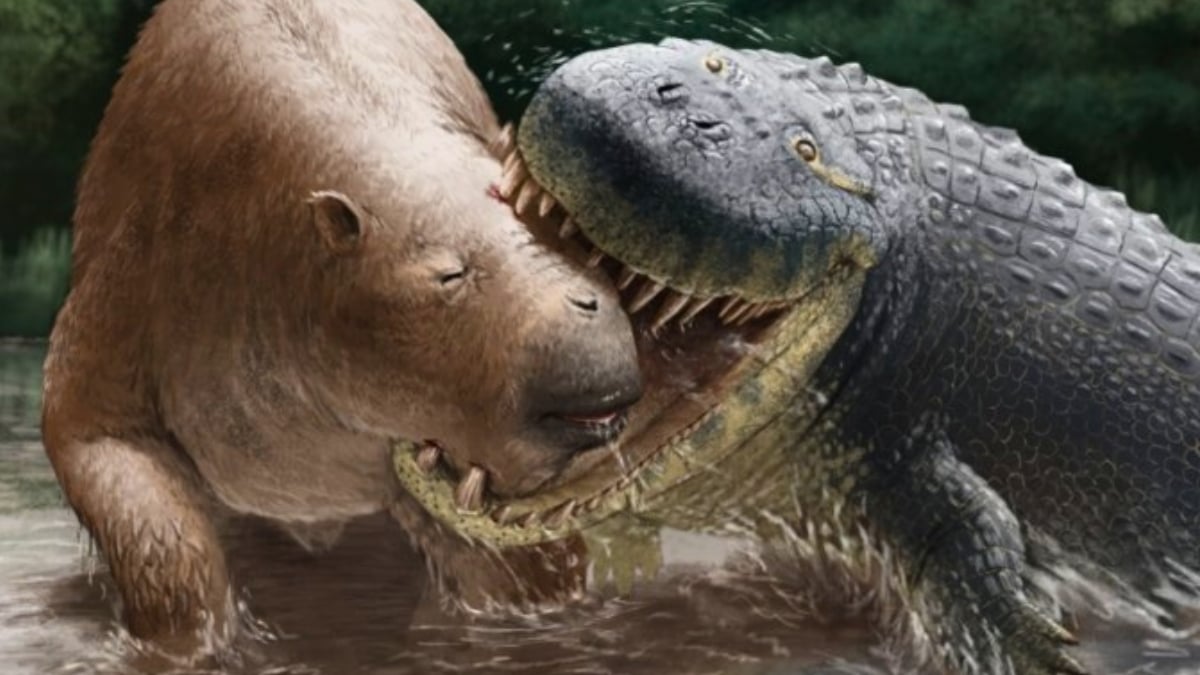
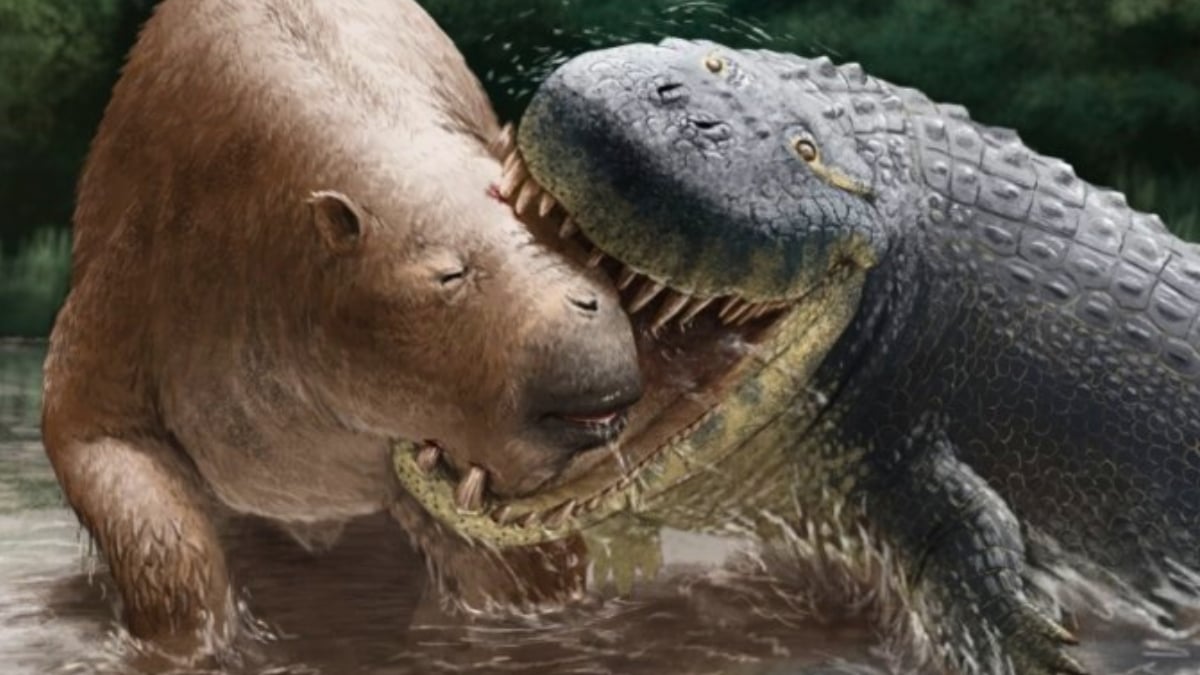
Scientists have uncovered evidence of an enormous crocodile ancestor that dominated South American ecosystems millions of years ago. Purussaurus neivensis, a caiman relative that lived during the Miocene epoch, stretched approximately 23 feet long and weighed around 4,000 pounds—comparable to a modern automobile. Researchers from the University of Helsinki analyzed fossil remains discovered in Colombia’s La Tatacoa Desert to understand this apex predator’s hunting behavior and diet.
The study, published in the Journal of Vertebrate Paleontology, examined four fossils between 10.5 and 16 million years old that bore distinctive bite marks and puncture wounds. These remains belonged to large hoofed mammals weighing over a ton each, including rhinoceros-like creatures with impressive tusks and sturdy legs. The distinctive damage patterns suggest that P. neivensis regularly hunted these substantial prey animals, likely ambushing them as they approached water sources.
During the Miocene period, the predatory landscape differed dramatically from today’s ecosystems. Giant constrictor snakes and towering terror birds with lethal claws shared the environment with P. neivensis, creating a diverse hunting community. Researchers note that the abundance of available prey allowed multiple predator species to coexist, with crocodilians proving particularly effective at pursuing large mammals—a capability modern saltwater crocodiles continue to demonstrate by hunting horses and water buffalo.
The fossil evidence paints a vivid picture of prehistoric predation, revealing how P. neivensis likely crushed prey skulls with devastating bite force before dismembering them, while simultaneously supporting its ecosystem by distributing nutrients across land and sea.
Originally reported by Sciencealert →
About the Author