
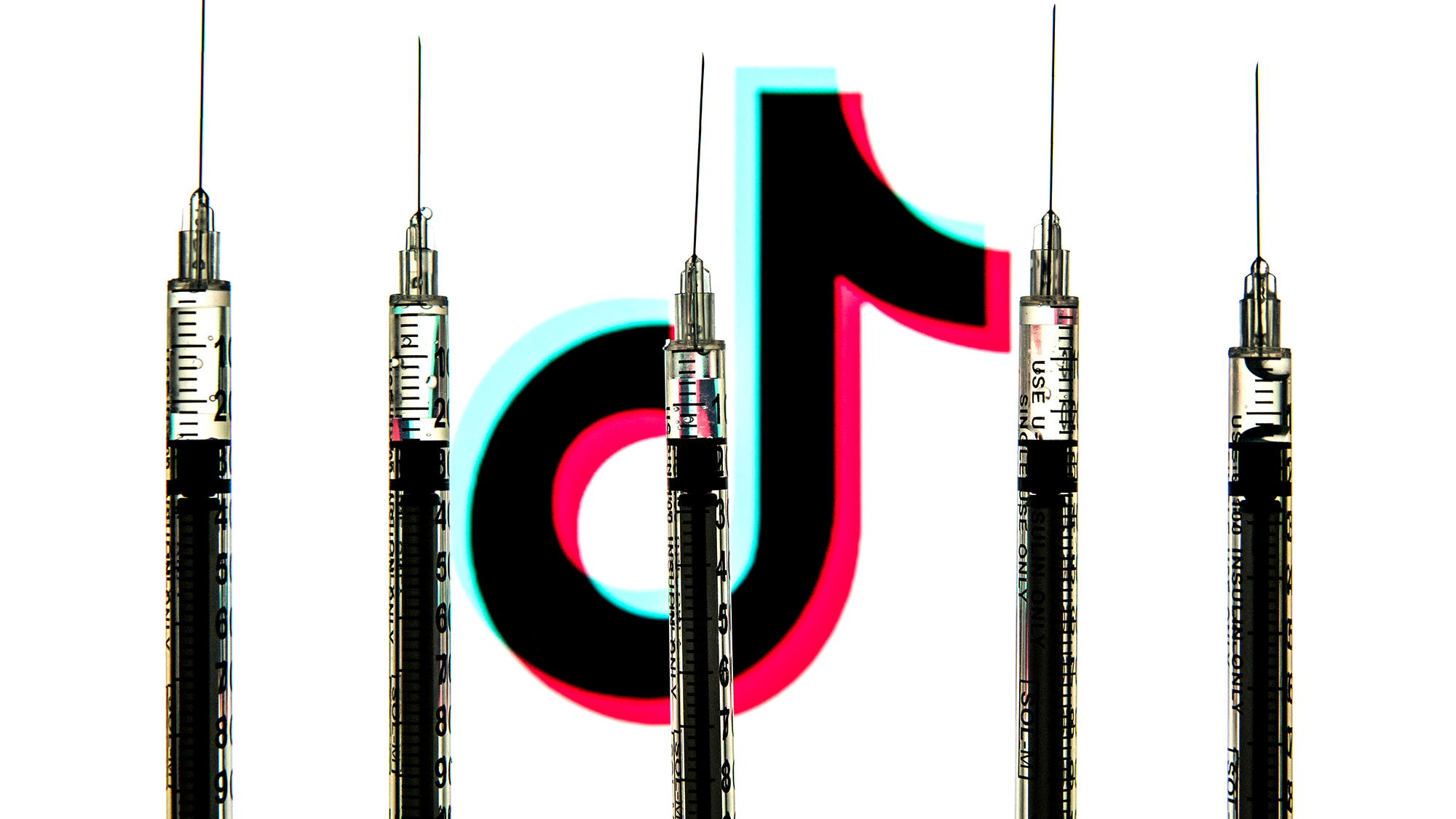
Social media platforms have fundamentally transformed how people approach healthcare, offering both valuable connections and significant risks. While these platforms enable individuals to share experiences, access support communities, and gather health information, they have simultaneously created opportunities for misleading content, unproven remedies, and exploitation of vulnerable populations. Algorithmic systems prioritize engaging posts with minimal oversight, creating personalized content streams that many users perceive as objective and deeply understanding of their needs.
Dr. Deborah Cohen, author of “Bad Influence: How the Internet Hijacked Our Health,” explores these contradictions in her newly published work, examining how social media influencers and platforms have reshaped public perception of treatments ranging from weight-loss medications to experimental therapies. Cohen identifies a critical gap between what healthcare systems can realistically deliver and the certainty and quick solutions presented on social platforms. She notes that strained health services have inadvertently allowed social media to fill voids, though often with unverified information rather than evidence-based guidance.
Cohen’s research reveals that women disproportionately turn to social media for health information, frequently feeling unseen by traditional medical systems. However, she emphasizes the importance of health literacy and critical questioning: users should examine why influencers share information, whether they promote products, and whether they disclose potential harms alongside benefits. As artificial intelligence language models emerge alongside continued social media use, Cohen suggests the healthcare information landscape will become increasingly complex and fragmented across platforms.
Originally reported by Livescience →
About the Author