
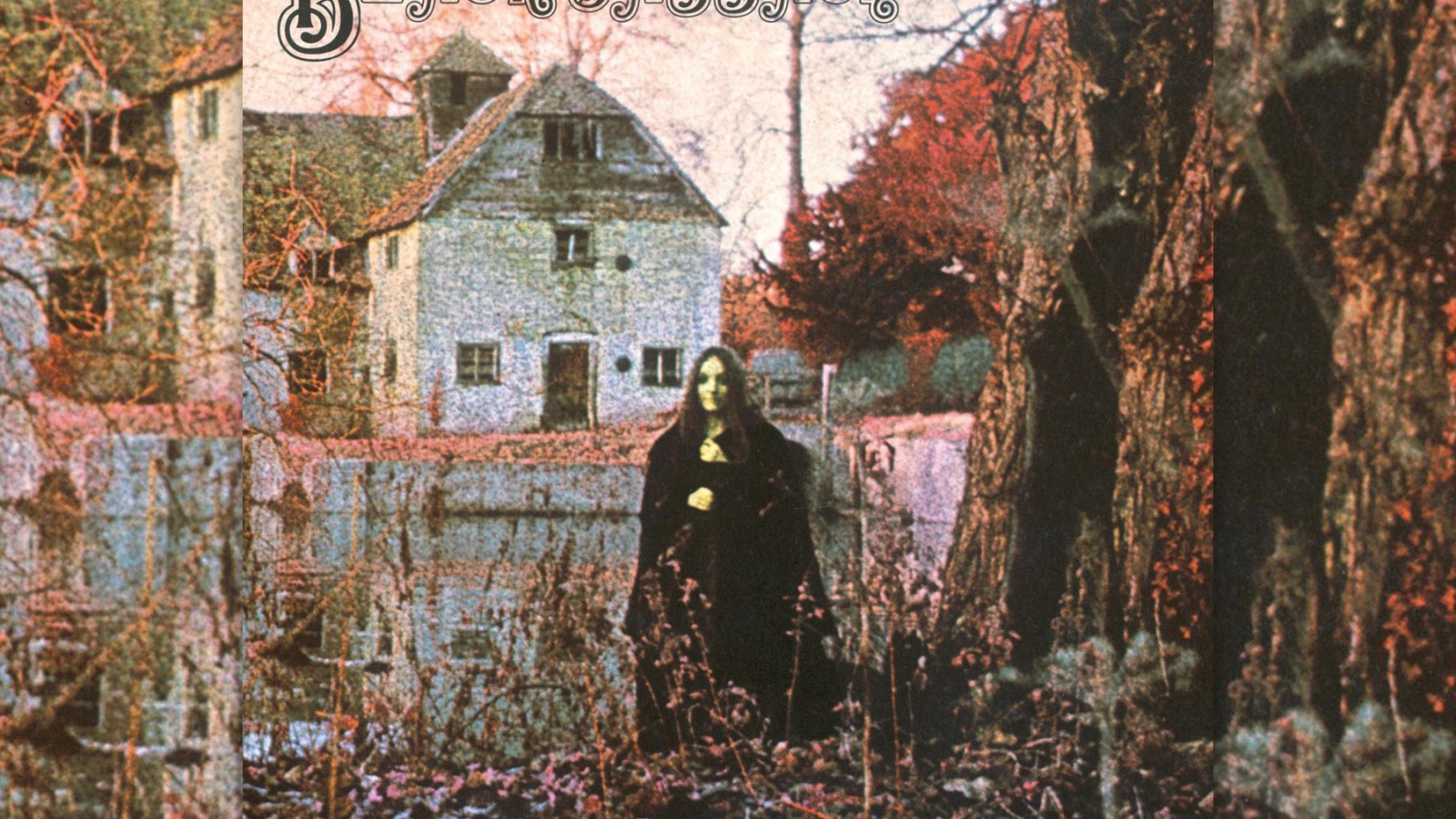
Louisa Livingstone has emerged from decades of anonymity to reveal herself as the mysterious figure adorning Black Sabbath’s iconic 1970 self-titled album cover. For fifty years, the identity of the cloaked woman remained unknown to fans of the heavy metal pioneers. A 2020 Rolling Stone investigation finally uncovered her identity, exposing a multifaceted creative professional who had spent the intervening decades working across music, modeling, and acting.
Following the public revelation, Livingstone found herself thrust into an unexpected spotlight within the metal community. Now residing in Spain’s Murcia region, she has embraced her newfound connection to Black Sabbath’s legacy by channeling it into her musical work under the moniker Indreba. Earlier this year, she released two rock-oriented tracks titled “Witch Woman” and “The Woman by the Mill,” both explicitly referencing her historical tie to the band while exploring themes of identity and recognition.
Beyond her homage to Black Sabbath, Livingstone continues expanding her artistic vision through ambitious projects. She has created a twenty-three-minute rock opera called “Alice,” inspired by Lewis Carroll’s classic literature and informed by philosophical discussions on artificial consciousness. The work reimagines Carroll’s narrative through a contemporary lens, incorporating digital-age imagery and contemporary references while maintaining the fantastical spirit of its source material.
Originally reported by Rollingstone →
About the Author