The Strange Hypothesis That Suggests Earth May Be Alive
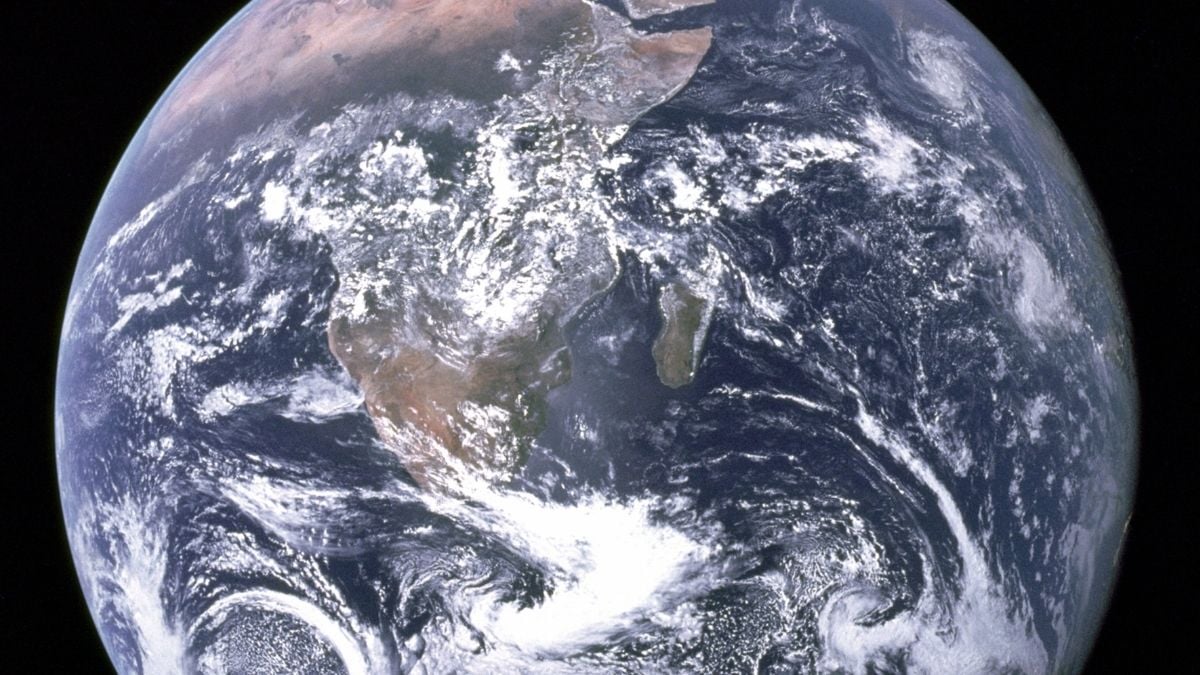 A planet that regulates itself.
“`html
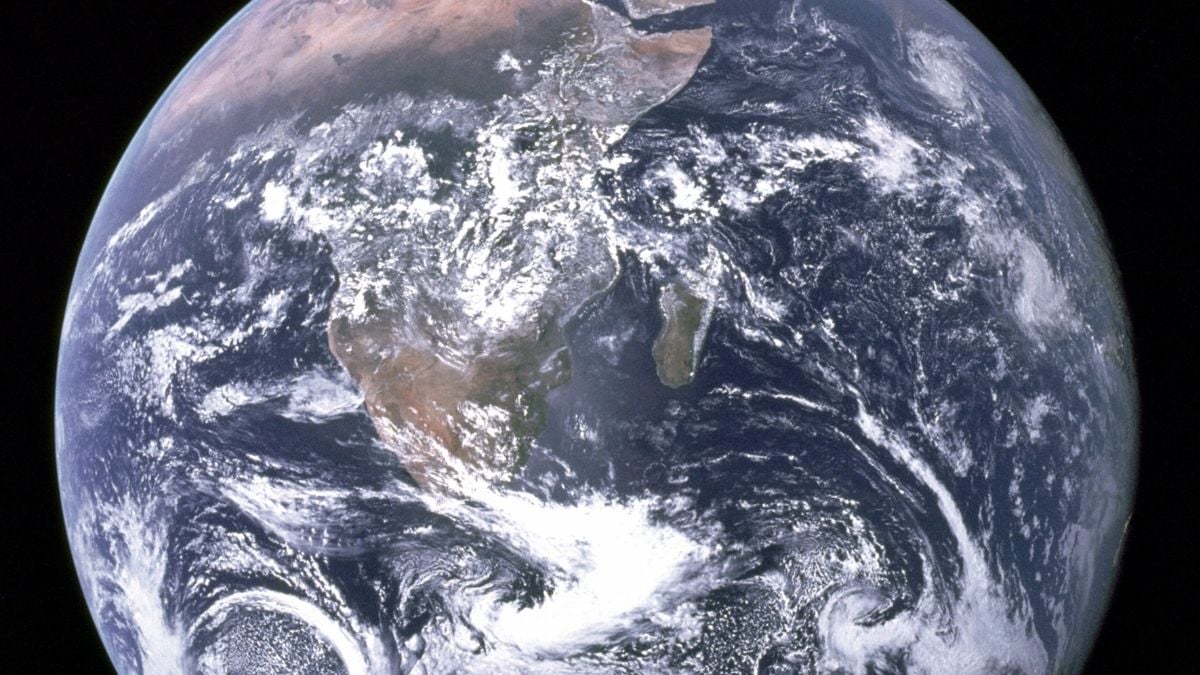
Scientists have long puzzled over how Earth maintained conditions suitable for life across billions of years, surviving catastrophic events ranging from asteroid strikes to extreme climate shifts. A provocative scientific theory proposes an intriguing answer: life itself may actively participate in regulating planetary conditions.
Developed in the 1970s by British chemist James Lovelock and American microbiologist Lynn Margulis, the Gaia hypothesis suggests that Earth’s organisms, atmosphere, oceans, and geological features function as an interconnected system. Through countless natural feedback loops, this system may sustain environmental conditions that allow life to flourish. While no organism consciously orchestrates this process, the combined effects of biological activity—from photosynthesis replenishing oxygen to microbial transformations of gases—continuously reshape planetary chemistry and atmospheric composition.
To illustrate how planetary self-regulation could emerge without intelligence or planning, researchers created a thought experiment involving a fictional planet inhabited only by black and white daisies. The daisies’ natural competition inadvertently creates a thermostat effect, maintaining temperatures within a habitable range. Though this model does not prove Earth functions identically, it demonstrates how self-regulation can arise from ordinary biological competition rather than conscious cooperation.
However, the hypothesis carries a sobering implication: planetary self-regulation does not guarantee safety for all species. Earth has endured mass extinctions while life persisted overall. As human activities increasingly alter atmospheric composition and climate patterns, scientists question whether humanity has triggered changes that could render Earth uninhabitable for our species while remaining suitable for future life forms.
“`
Originally reported by Sciencealert →
About the Author