Windows laptop shoppers face mounting expenses this year due to two converging factors. A severe memory shortage, dubbed “RAMageddon,” has restricted the availability of RAM components as artificial intelligence data centers compete for supplies. Simultaneously, Microsoft has substantially increased licensing fees for Windows 11, forcing manufacturers to absorb higher production costs and pass them along to consumers. Together, these pressures have driven prices upward across the market.
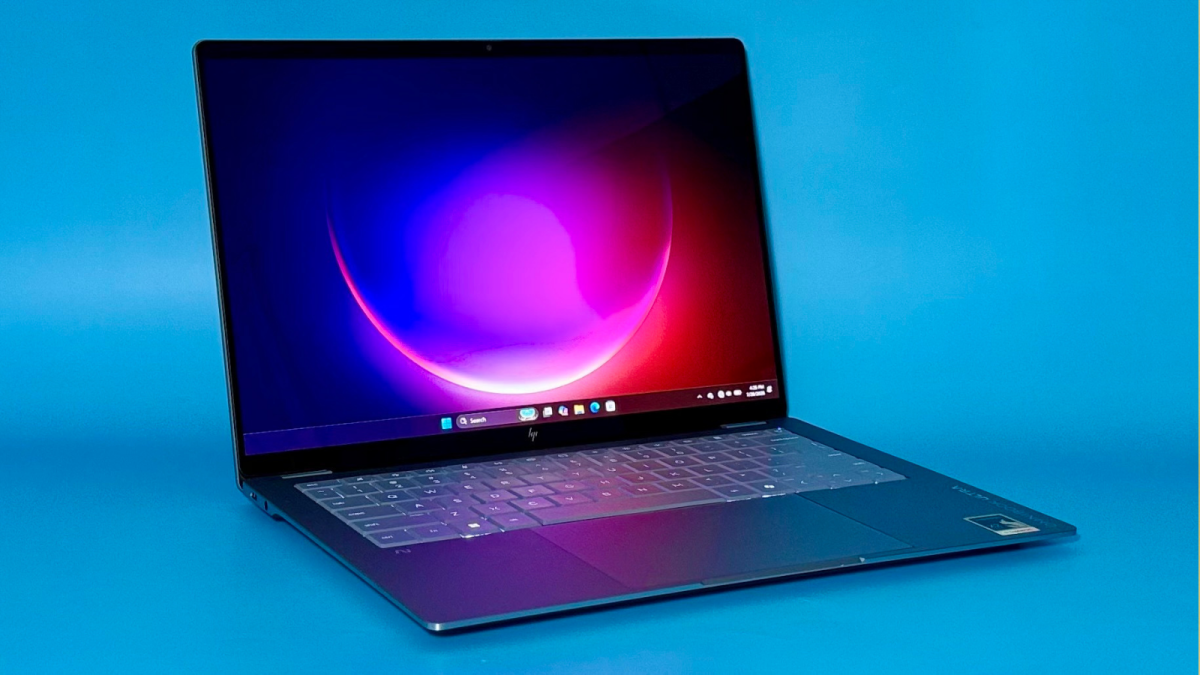
Despite these challenges, quality Windows laptops remain available across various categories and price points. The Dell XPS 13 has emerged as a standout budget option, offering premium build quality typically found in more expensive models. Other notable entries include the Asus Zenbook A14 for general users, the HP OmniBook 3 for extended battery performance, and the Framework Laptop 13 for those prioritizing repairability. Each device has been evaluated based on performance metrics, battery longevity, construction quality, and overall value proposition.
The laptop market continues evolving with new announcements from major manufacturers. Recently unveiled models heading to the United States include budget-friendly options like the Lenovo IdeaPad Vibe, creative-focused devices such as the Lenovo Yoga Pro 5n powered by Nvidia’s latest technology, and portable options including the Acer Swift Air 16. Shoppers can expect additional product launches as manufacturers work to address supply chain challenges and consumer demand.
Originally reported by Mashable →
About the Author