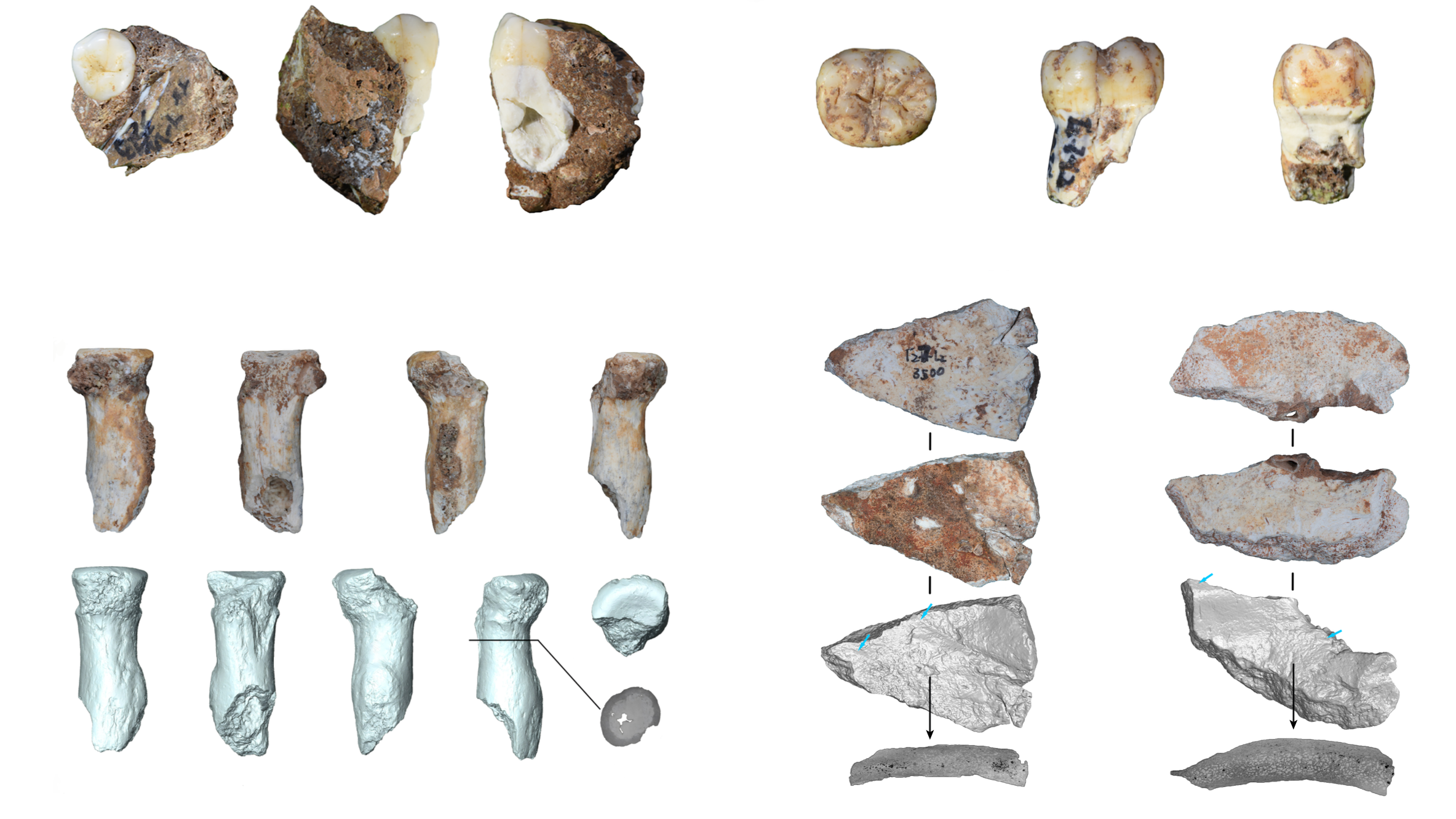
Archaeologists working in southwestern China have uncovered compelling evidence that an extinct human species occupied a cave for over a century of millennia. Bianfu Cave, located in Yunnan province, yielded five skeletal remains, numerous stone implements, and thousands of animal bones that provide unprecedented insight into Denisovan life and behavior. The findings, published in two separate studies this month, represent a significant breakthrough in understanding this mysterious branch of ancient humanity that vanished roughly 30,000 years ago.
The research team employed advanced analytical techniques to confirm that the cave’s inhabitants were indeed Denisovans, a lineage distantly related to both Neanderthals and modern humans. By analyzing protein signatures in bone fragments, scientists identified one particularly significant discovery: a forearm bone that represents the only Denisovan radius ever recovered. This specimen displayed structural characteristics suggesting these individuals possessed specialized physical adaptations suited to their environment and lifestyle.
Evidence from the excavation reveals that Denisovans at Bianfu Cave were skilled hunters who processed large game animals such as deer and cattle-like creatures. Archaeological layers indicate occupation spanning from 190,000 to 70,000 years ago, during which inhabitants crafted approximately 1,400 stone tools from locally sourced materials. Notably, researchers also discovered bone tools at the site, indicating that bone-tool technology was more prevalent among Pleistocene human populations than previously recognized.
The discoveries substantially expand the limited fossil record of Denisovans, who until now were known primarily from scattered fragments across Asia. Researchers hope these findings will encourage similar protein-based analyses at other archaeological sites, potentially revealing additional remains and deepening understanding of how Denisovans adapted to environmental challenges and competition from other human groups.
Originally reported by Livescience →
About the Author