Scientists Put Sensors on Narwhals. They Revealed Something Troubling Beneath Greenland’s Glaciers
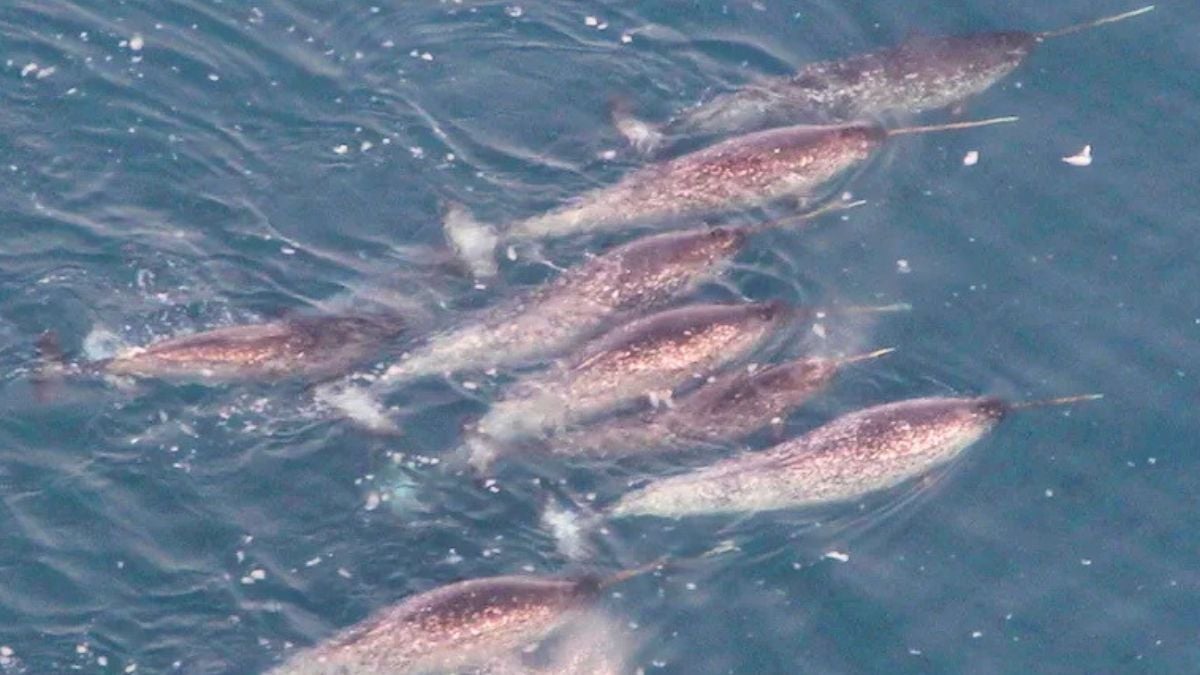 Unwitting research assistants.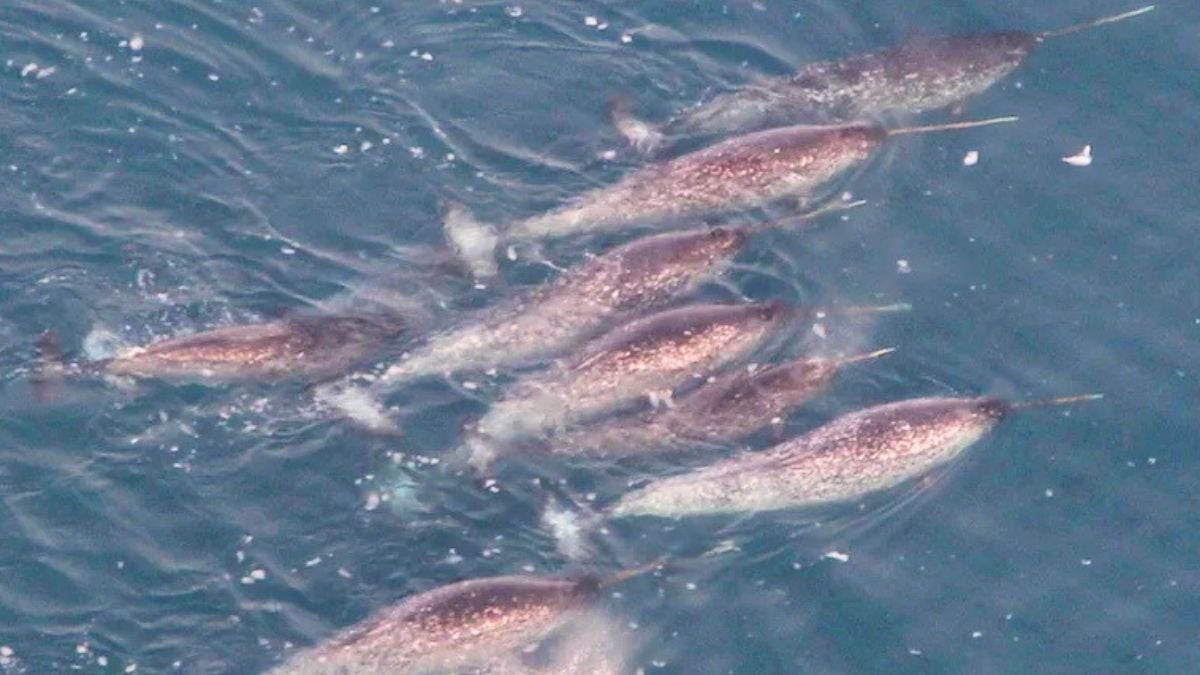
Researchers have equipped six narwhals with specialized sensors to monitor ocean conditions beneath Greenland’s glaciers, a region so remote and treacherous that traditional research methods prove nearly impossible. The Arctic whales, which naturally inhabit the Scoresby Sound fjord system and surrounding waters, collected temperature, salinity, and depth data during their dives between 2017 and 2020. This innovative approach provided scientists with measurements from areas previously unreachable by research vessels navigating the thick sea ice and icebergs that characterize East Greenland’s coast.
The data revealed a troubling trend: warm Atlantic Ocean water is penetrating deeper into the fjord systems and approaching glacier fronts at unprecedented rates. Researchers discovered that the layer of warmer, saltier Atlantic water has expanded while the upper layer of colder Arctic water has thinned. This warming water, carried northward by ocean currents and fueled by climate change, accelerates glacier retreat and threatens to destabilize one of Earth’s largest ice sheets.
Scientists from the Greenland Institute of Natural Resources and the University of Copenhagen combined the narwhal data with historical measurements spanning over a century to build predictive models. The findings provide climate scientists with crucial information previously unavailable for accurate modeling of future ice sheet collapse and sea level rise, demonstrating how Arctic wildlife can inadvertently assist in understanding our changing planet.
Originally reported by Sciencealert →
About the Author