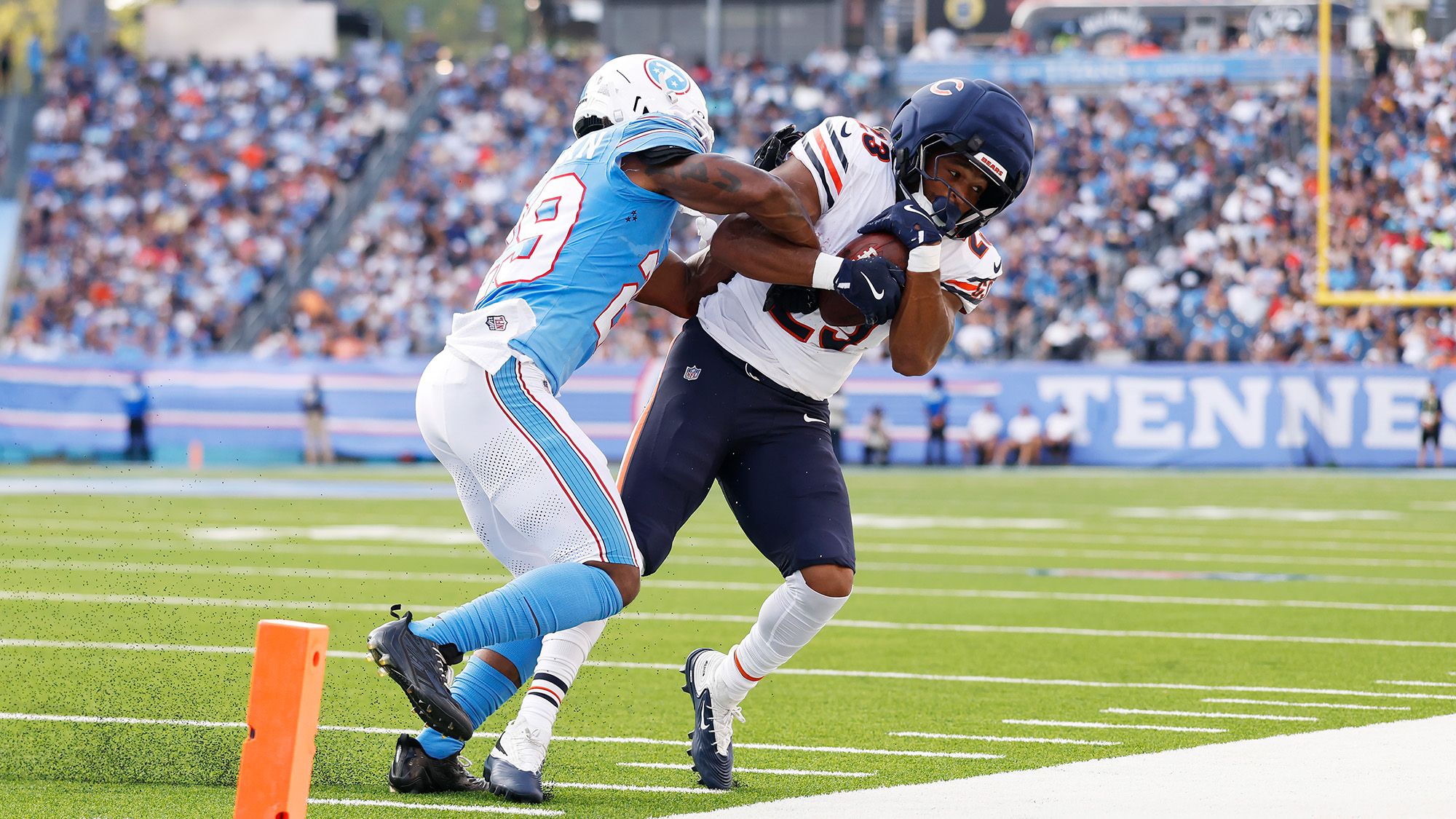
Football players face significant risks from repeated head impacts throughout their careers. Athletes in the sport routinely experience hundreds of collisions, some resulting in concussions while others appear minor at first glance. Scientists and medical professionals worry that the cumulative effect of these impacts could lead to serious long-term consequences for brain health.
Recent research has intensified these concerns. A study examining deceased former NFL players found that approximately one-quarter had developed chronic traumatic encephalopathy, a progressive brain condition associated with repeated head trauma. While the findings do not necessarily indicate that current players face the same risk, they underscore mounting scientific evidence that frequent impacts may cause lasting damage.
The NFL has implemented several protective measures to address these concerns, including updated concussion management protocols and investments in advanced protective gear such as Guardian Caps. However, questions remain about whether these efforts are sufficient given the evolving understanding of head injury risks. As new research continues to illuminate the potential dangers of repeated impacts, the debate over adequate player safety continues to intensify.
Originally reported by Livescience →
About the Author