
Scientists Observe Quantum Heat Waves at Room Temperature For The First Time
 Another notable step forward.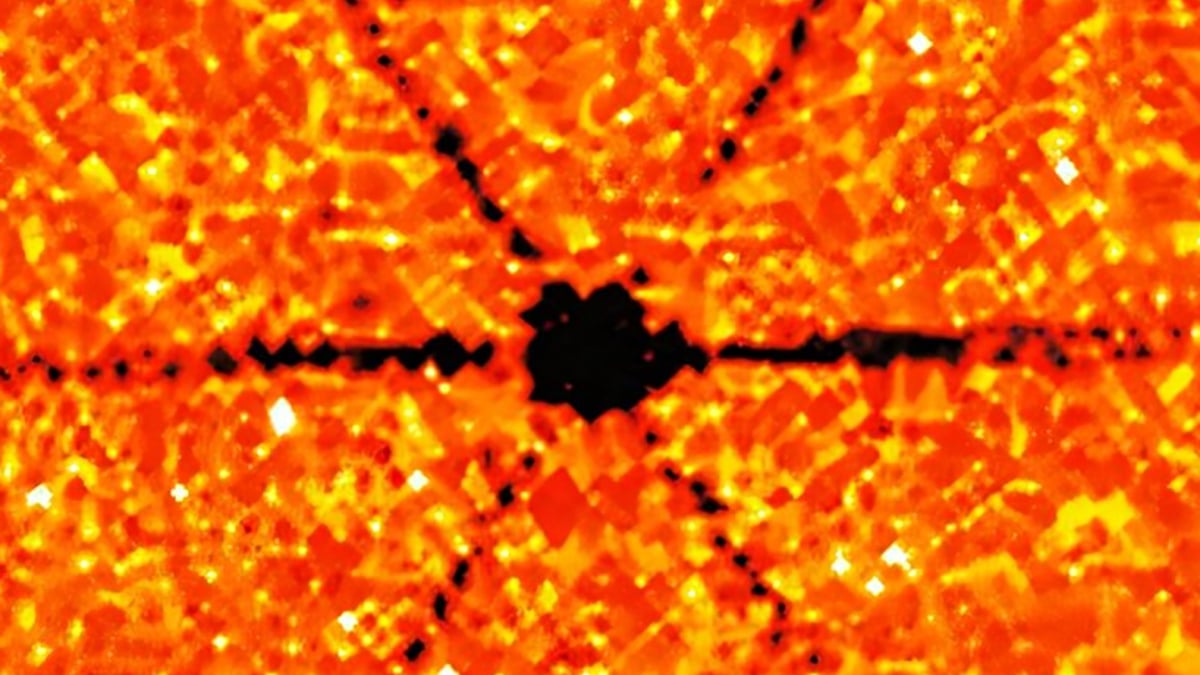
“`html
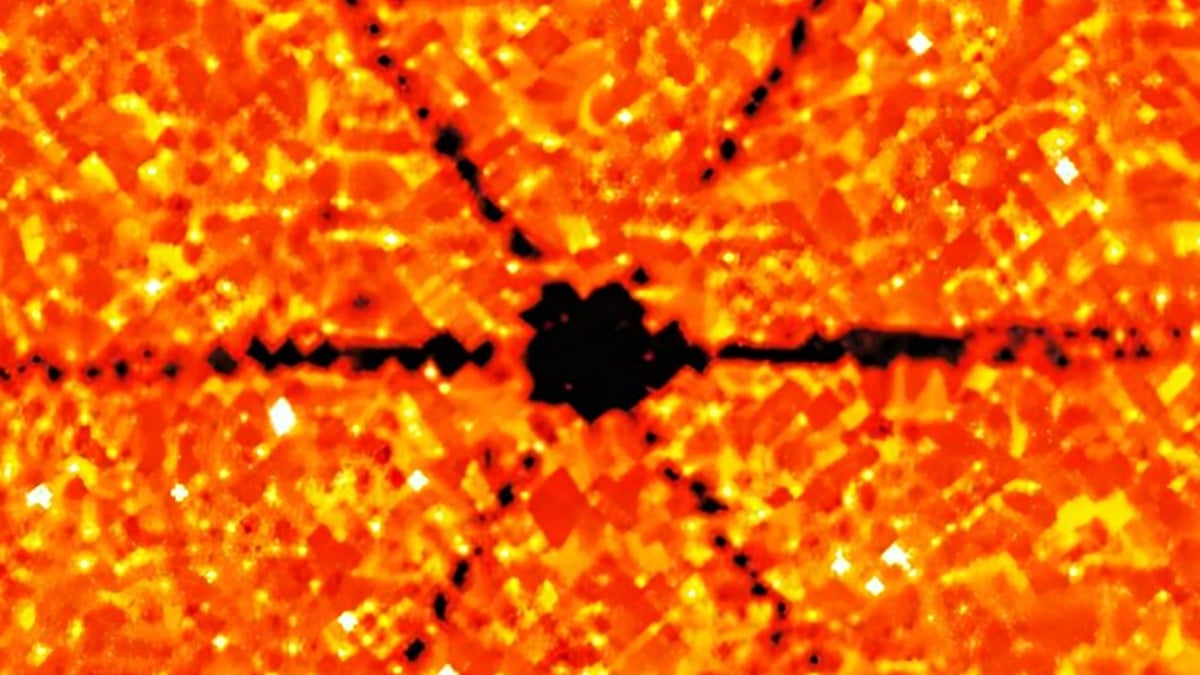
Researchers have achieved a significant breakthrough in quantum physics by detecting quantum heat waves at room temperature for the first time. The phenomenon, known as phonon focusing, involves heat-carrying vibrations at the atomic level traveling through materials in concentrated patterns rather than dispersing uniformly in all directions. Previously, such quantum behavior in heat transport required extremely cold cryogenic conditions to observe, making this discovery a major advancement in the field.
A team from UCLA conducted the experiment using boron arsenide, a recently discovered semiconductor with exceptional heat-conducting properties. The material’s crystalline structure naturally creates pathways for phonons to travel while minimizing collisions between them. Researchers used a nanoscale gold probe as both a heat source and sensor to map how heat propagated through the material at approximately 27 degrees Celsius. They observed phonons traveling 250 nanometers—a substantial distance for this type of work and clear evidence of genuine phonon focusing.
The ability to control heat movement at such precise scales could revolutionize thermal management in next-generation electronics and quantum computers. Heat currently limits processing power in devices ranging from laptops to quantum systems, and this discovery suggests ways to manage it more efficiently. The findings, published in Nature Physics, indicate that quantum heat phenomena previously confined to laboratory freezers can now be accessed at practical temperatures using advanced materials.
While the current research represents a carefully controlled proof of concept, scientists believe the technology could eventually enable heat to be guided, focused, and redistributed with unprecedented nanoscale precision, potentially opening new possibilities for quantum engineering and computing.
“`
Originally reported by Sciencealert →
About the Author