Scientists May Have Found The Exact Brain Cells Crucial For Sustaining Motivation
 Why we do (or don't) stay on task.
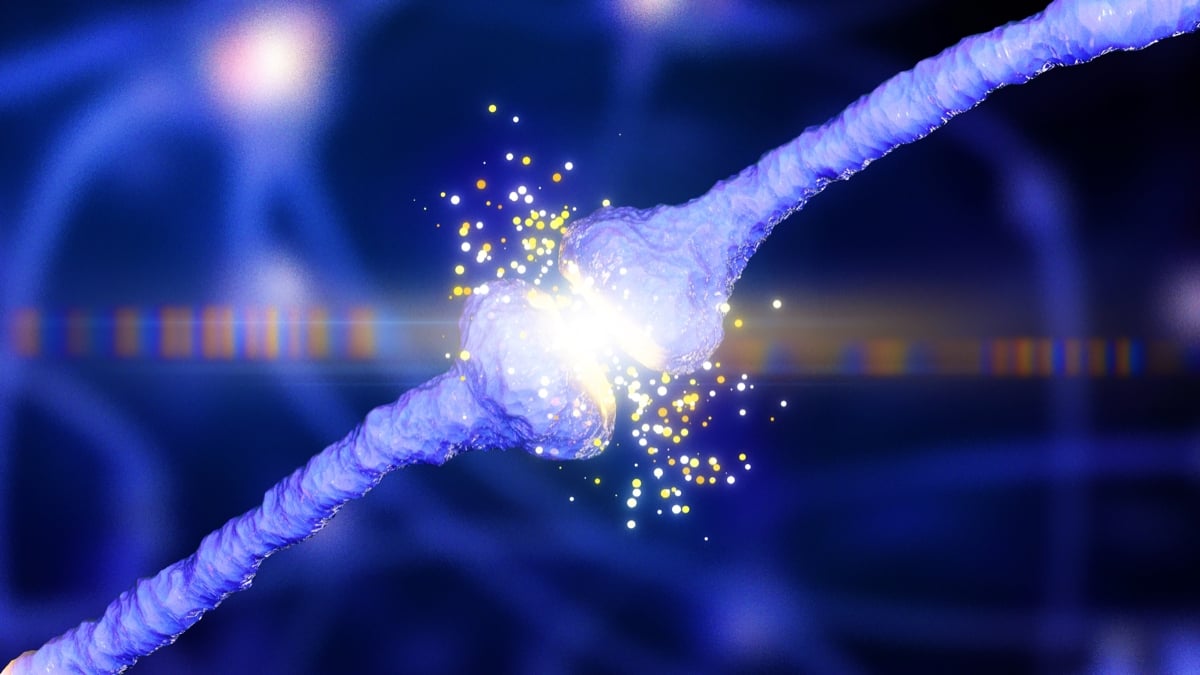
Researchers from Nagoya University have identified a specific brain chemical as a key player in maintaining motivation. In a study published in the Proceedings of the National Academy of Sciences, scientists focused on orexin, a substance produced by neurons in the hypothalamus region of the brain. Previous research had connected orexin to wakefulness and energy levels, but this new investigation explores its direct relationship to motivation and reward-seeking behavior.
The team conducted experiments on rats to understand how orexin influences the decision to pursue rewards. When researchers artificially increased orexin neuron activity, the animals worked harder to obtain food. Conversely, when this activity was suppressed, the rats abandoned tasks more readily. Real-time monitoring revealed that orexin activity increased before the animals received rewards and decreased afterward, with sustained high activity when expected rewards failed to materialize. The strength of orexin signaling corresponded directly to the effort required for the task.
The findings suggest orexin serves as a mechanism for translating anticipated rewards into sustained effort and commitment. Interestingly, while reducing orexin activity decreased motivation, artificially increasing it did not enhance motivation further, indicating the neurons may maintain baseline motivation rather than function like a variable control. Since humans also possess an orexin system, these discoveries could eventually inform treatments for motivation-related disorders including depression and addiction.
Originally reported by Sciencealert →
About the Author