Scientists Discover a Cannabis Receptor That Could Stop Breast Cancer Spreading
 Here's what we know.
Researchers have identified a promising new approach to combating breast cancer through manipulation of a cellular receptor linked to cannabis compounds. In a study published in Communications Biology, scientists demonstrated that low-dose treatment with THC, a compound found in cannabis, can reduce the aggressiveness of breast cancer tumors in laboratory models and living mice.
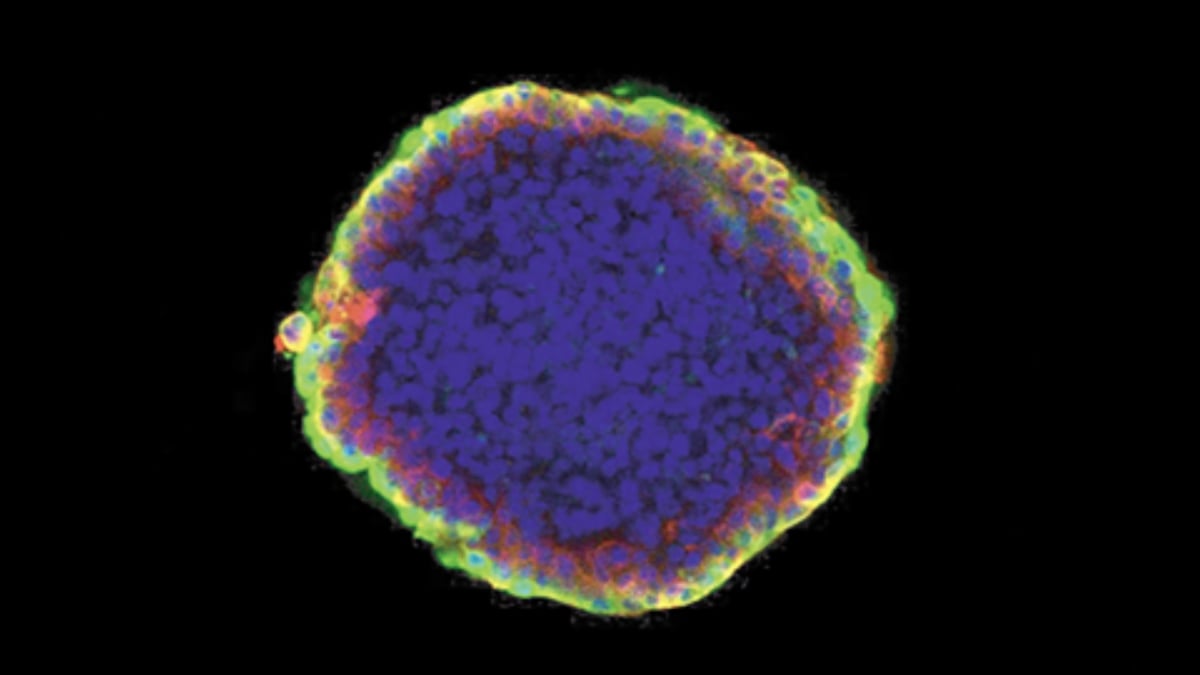
The research focused on the endocannabinoid system, particularly a receptor called CB2R, which regulates cellular development pathways involved in both cancer progression and embryonic development. When researchers applied a brief four-day pulse of THC to three-dimensional tumor organoids created from human breast cancer cells, they observed significant reductions in the cancer cells’ ability to invade surrounding tissue, renew themselves, and initiate new tumors. Notably, these effects appeared to stem from CB2R activity rather than CB1R, the receptor responsible for cannabis’s psychoactive properties.
Testing in living mice revealed encouraging long-term results. Tumors derived from THC-treated organoids developed more slowly and exhibited less aggressive characteristics compared to control samples, with effects persisting for up to 100 days. Additionally, the treated cancer cells showed increased responsiveness to tamoxifen, a commonly prescribed breast cancer drug, suggesting potential for combination therapies.
The researchers propose that CB2R modulation forces cancer cells into a more differentiated state, limiting their adaptability and capacity to spread. This mechanism could pave the way for novel therapeutic strategies that reprogram tumor behavior through subtle cellular manipulations.
Originally reported by Sciencealert →
About the Author