Scientists Are Making Concrete With Human Poop – And It Gets 42% Stronger
 Wait, what?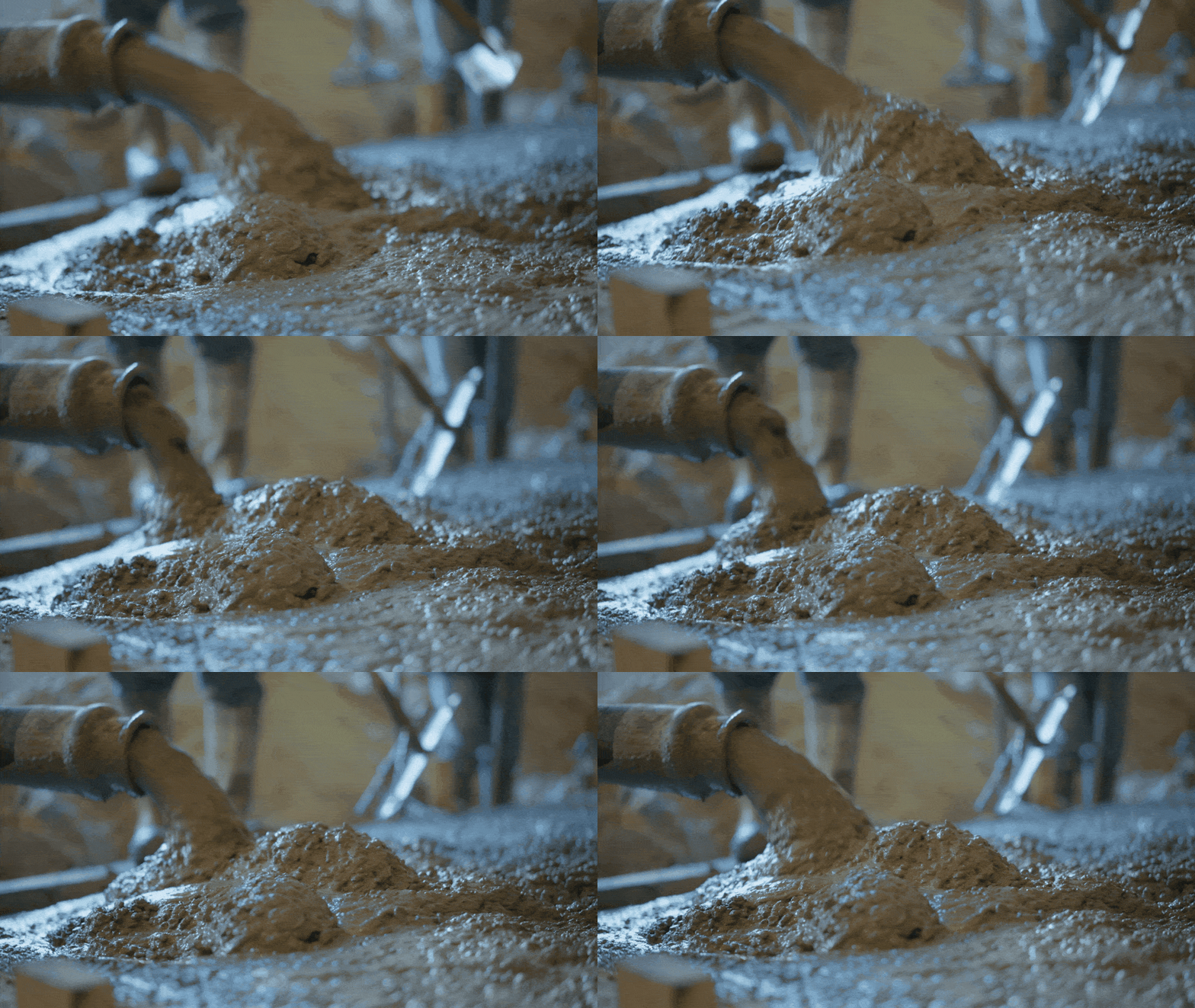
“`html
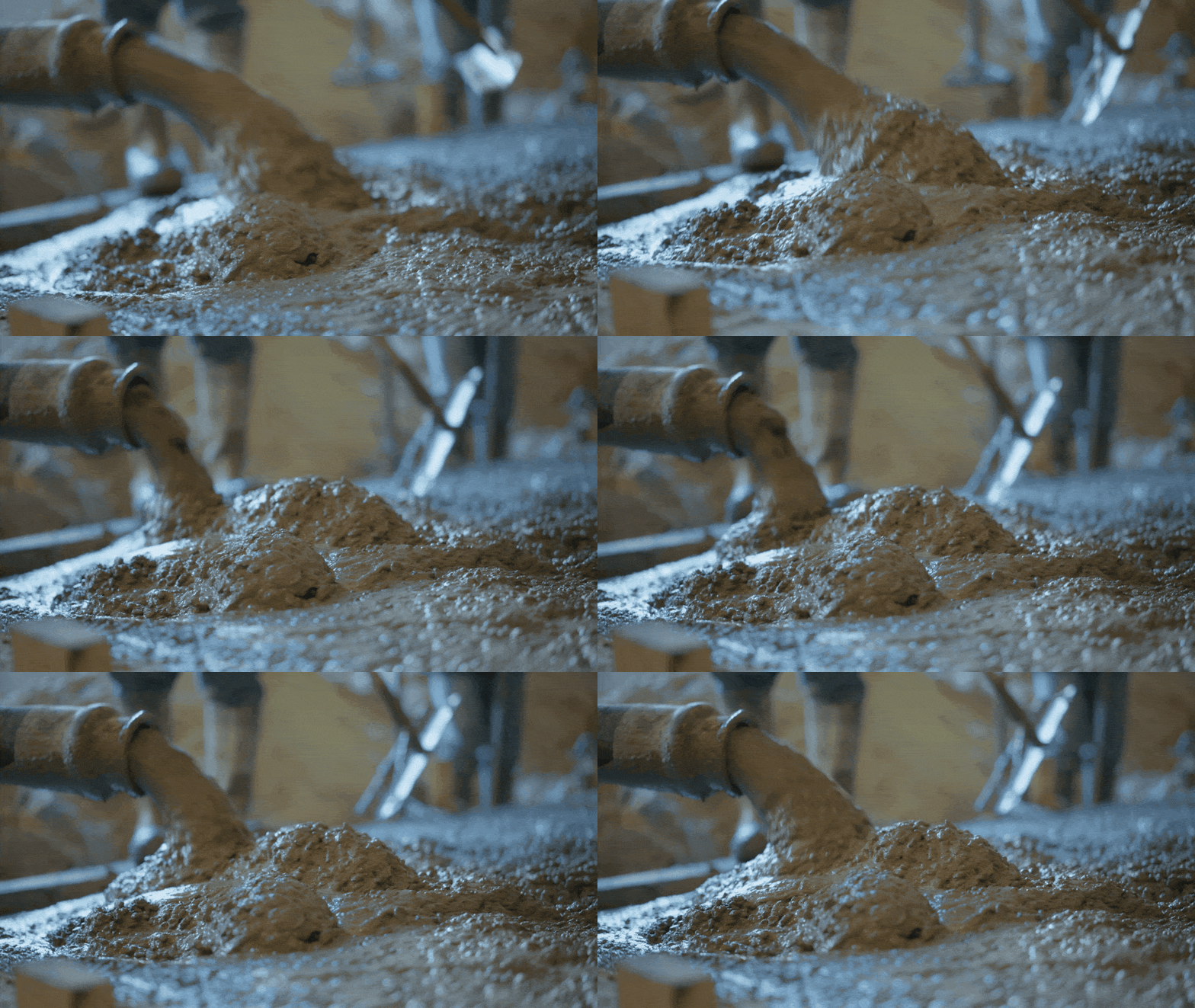
Researchers in India have discovered an unconventional solution to reduce concrete’s environmental impact: incorporating biochar derived from human waste. Civil engineer Raghuvesh Tiwari and his team at Manipal University Jaipur tested concrete mixtures where processed fecal sludge biochar replaced varying percentages of traditional cement. The findings revealed that this innovative approach not only addresses waste management but also produces stronger building material.
The team obtained biochar from treatment facilities by drying fecal sludge and heating it in low-oxygen conditions before grinding it into fine powder. When this material replaced 5 to 10 percent of cement in concrete formulations, the results proved remarkable. After 91 days of curing, concrete with 10 percent biochar substitution demonstrated a 42 percent increase in flexural strength and 21 percent improvement in compressive strength compared to standard concrete.
Beyond enhanced durability, the biochar-enhanced concrete exhibited additional benefits. It absorbed less water, demonstrated lower porosity, and experienced reduced drying shrinkage compared to conventional concrete. Scientists attribute these improvements to the porous structure of biochar particles, which act as internal water reservoirs during the curing process, sustaining chemical reactions that strengthen the material.
This development addresses two environmental challenges simultaneously: reducing cement production’s substantial carbon emissions while managing billions of tons of daily human waste generated globally. Although 15 percent biochar replacement showed diminished performance, the optimal 5-10 percent substitution rate suggests practical applications for sustainable construction materials.
“`
Originally reported by Sciencealert →
About the Author