Parkinson’s Link to Gut Bacteria Hints at Unexpectedly Simple Treatment
 We're getting closer to figuring it out.
“`html
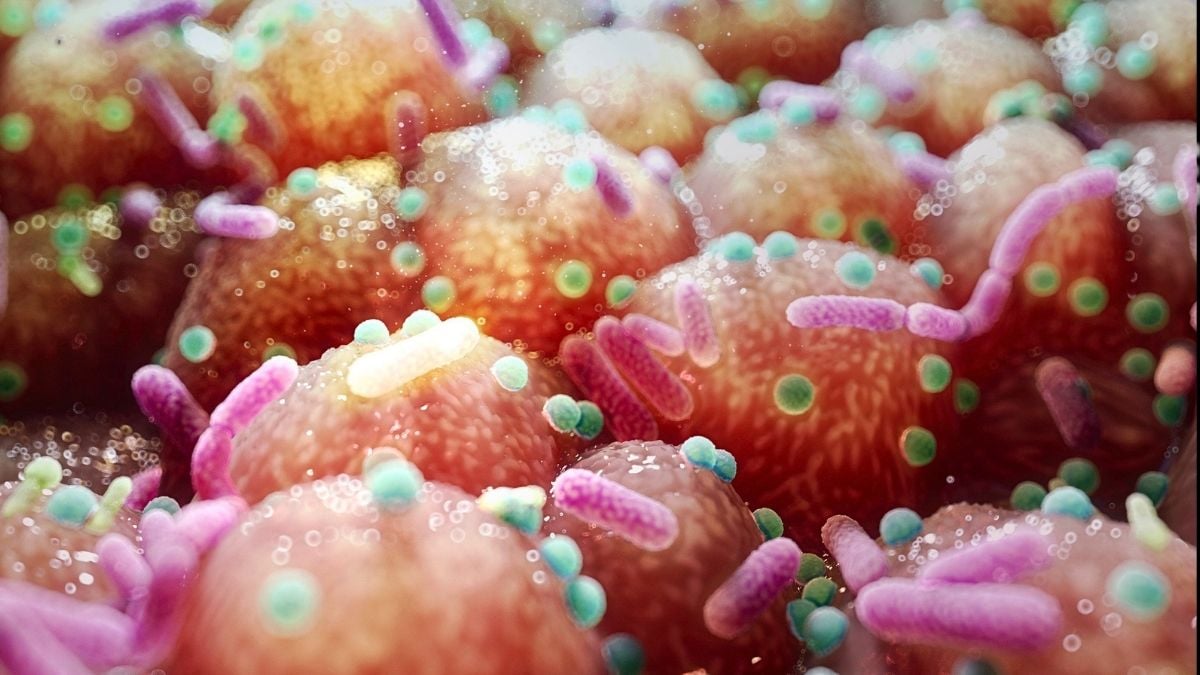
Researchers are uncovering a potential link between gut bacteria and Parkinson’s disease that could lead to surprisingly straightforward treatments. A 2024 study from Nagoya University examined fecal samples from people with and without Parkinson’s, finding consistent disruptions in bacterial pathways across multiple countries. The disrupted pathways were responsible for producing B vitamins, particularly riboflavin and biotin, suggesting that vitamin supplementation might offer therapeutic benefits.
The research reveals how this bacterial imbalance may contribute to neurological damage. When B vitamin production declines, levels of protective molecules in the intestines—short-chain fatty acids and polyamines—also drop. This weakens the intestinal barrier, allowing toxins to penetrate and potentially trigger harmful protein buildup in the brain associated with Parkinson’s symptoms.
Recent clinical trials have tested fecal microbiota transplants as a treatment option. A Belgian study found that patients receiving donor transplants showed greater improvements in motor function after one year compared to those receiving placebos. A larger Chinese trial published this year demonstrated similar results, with nearly half of transplant recipients experiencing meaningful improvements in motor function and constipation scores.
These findings suggest that restoring healthy gut bacteria composition through either vitamin supplementation or transplantation could represent a cost-effective, accessible approach to managing Parkinson’s disease. While further research is needed to confirm these promising early results, the discoveries offer hope for millions living with this progressive neurological condition.
“`
Originally reported by Sciencealert →
About the Author