Over 40% of Earth Could Become ‘Drylands’ by 2100, Scientists Warn
 The world is changing.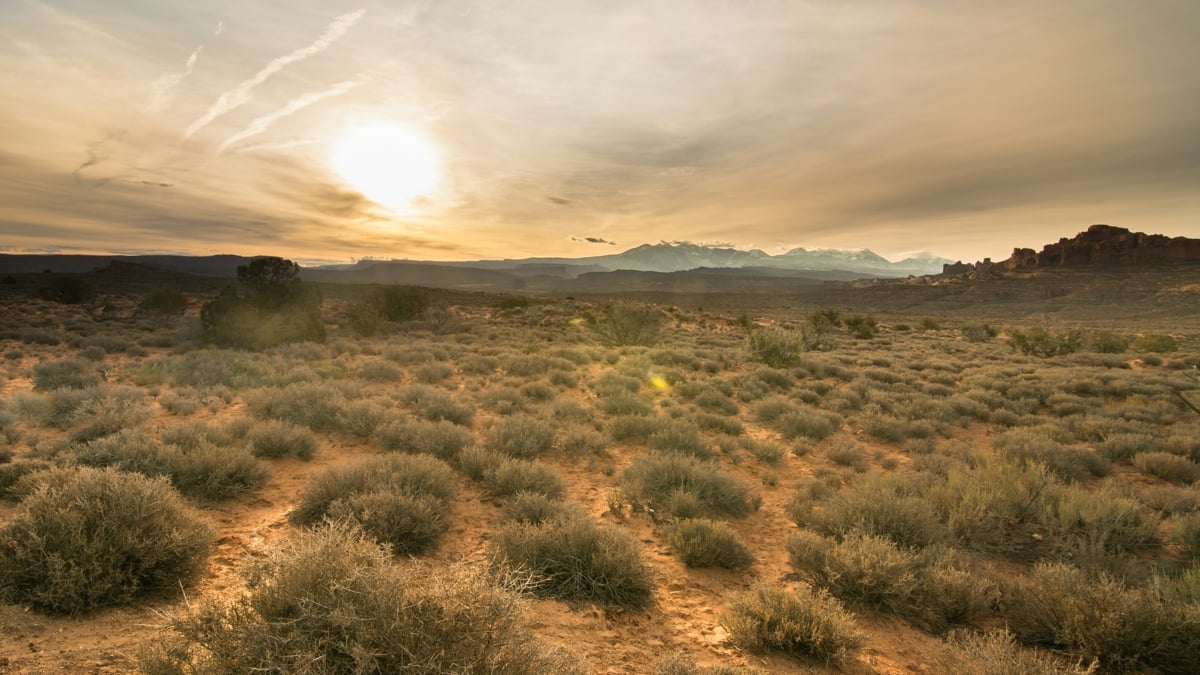
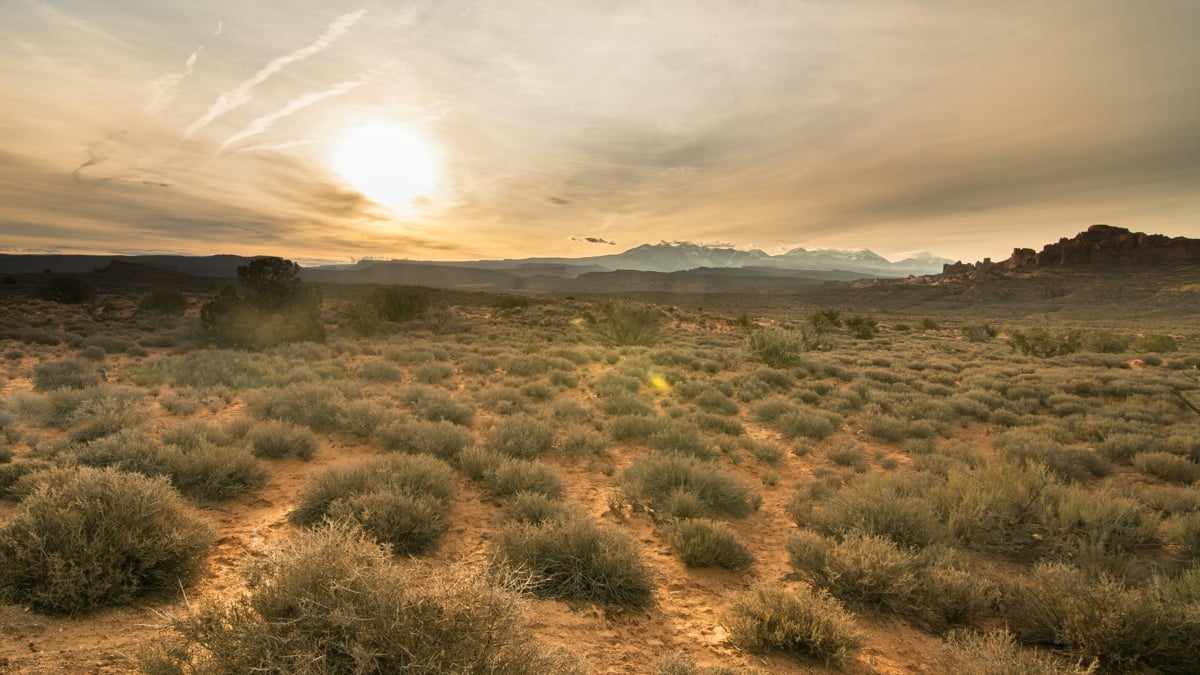
A new scientific study warns that arid and semi-arid regions could expand dramatically over the coming decades, potentially covering more than 40 percent of Earth’s land surface by 2100. Researchers used advanced climate modeling to project how drylands—areas characterized by severe water scarcity where evaporation exceeds rainfall—will redistribute as global temperatures continue rising. The expansion would push the boundaries of these harsh environments into currently more habitable regions, threatening ecosystems and water supplies for millions of people worldwide.
The research, published in Environmental Research Letters, reveals an unexpected finding: elevated atmospheric carbon dioxide levels may actually slow dryland expansion. Rising CO2 causes plants to close their pores partially, reducing water loss through transpiration. This effect has been overlooked in many previous studies, leading to inflated projections of future dryland coverage. Using this CO2-adjusted calculation method, scientists estimate drylands will grow from their current 38.58 percent coverage to between 39.31 and 40.28 percent of land by century’s end—still a significant increase representing an area roughly equivalent to Algeria.
The transformation will not be uniform globally. Australia, already the world’s driest inhabited continent, faces the most dramatic changes, followed by Brazil and parts of Africa. Different dryland types—ranging from semi-arid to hyper-arid zones—will experience varying degrees of expansion, with the most extreme environments showing the largest growth. Scientists emphasize that updated assessments are critical for developing effective climate adaptation strategies and supporting sustainable development in vulnerable regions.
Originally reported by Sciencealert →
About the Author