
Scientists Uncover Shared Genetic Roots of OCD, Tourette Syndrome, And Autism
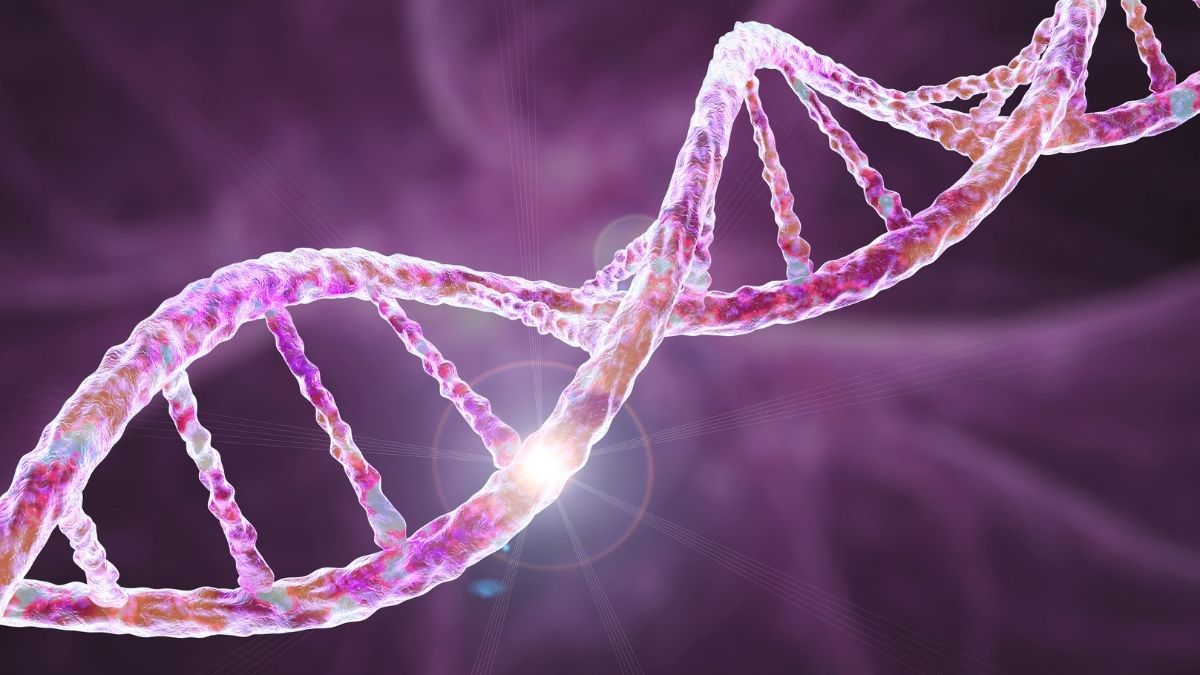
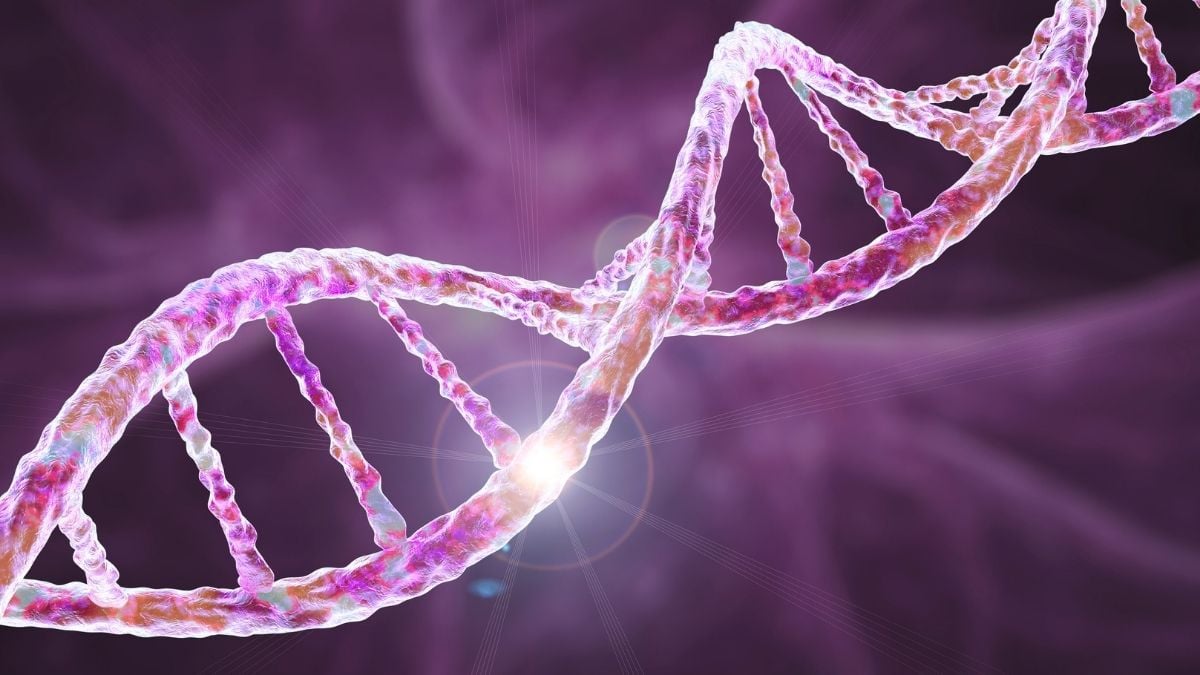 Important insights into the roots of these disorders.
“`html
Researchers have identified 36 genes that substantially increase the risk of developing obsessive-compulsive disorder and chronic tic disorders, a major expansion from the previously known number of high-confidence genes associated with these conditions. The groundbreaking study, published in Nature Neuroscience and led by scientists at Rutgers University, analyzed genetic data from nearly 4,000 individuals with these disorders, nearly doubling the sample size of previous research efforts.
The analysis revealed that these two conditions, which frequently occur together in patients, share significant genetic underpinnings. Researchers traced the expression of risk genes to specific brain regions involved in impulse control, movement, and habit formation, including the cortex, striatum, and thalamus. The findings also uncovered connections between these disorders and other neurodevelopmental conditions such as autism spectrum disorder and schizophrenia, suggesting a broader genetic network linking multiple neurological conditions.
The identified risk genes demonstrate remarkably large effects, with the potential to increase disease risk by an average of 57-fold. Importantly, the genes appear to work together in networks rather than individually, suggesting that future therapies could target entire genetic pathways rather than single genes. This discovery represents a tenfold increase in known high-impact risk genes for these conditions and opens new possibilities for developing targeted treatments tailored to individual genetic profiles.
“`
Originally reported by Sciencealert →
About the Author