Drilling Accidentally Created a Methane Leak Beneath The South China Sea. Within a Year, Animals Helped ‘Plug’ It.
 Thank you, nature.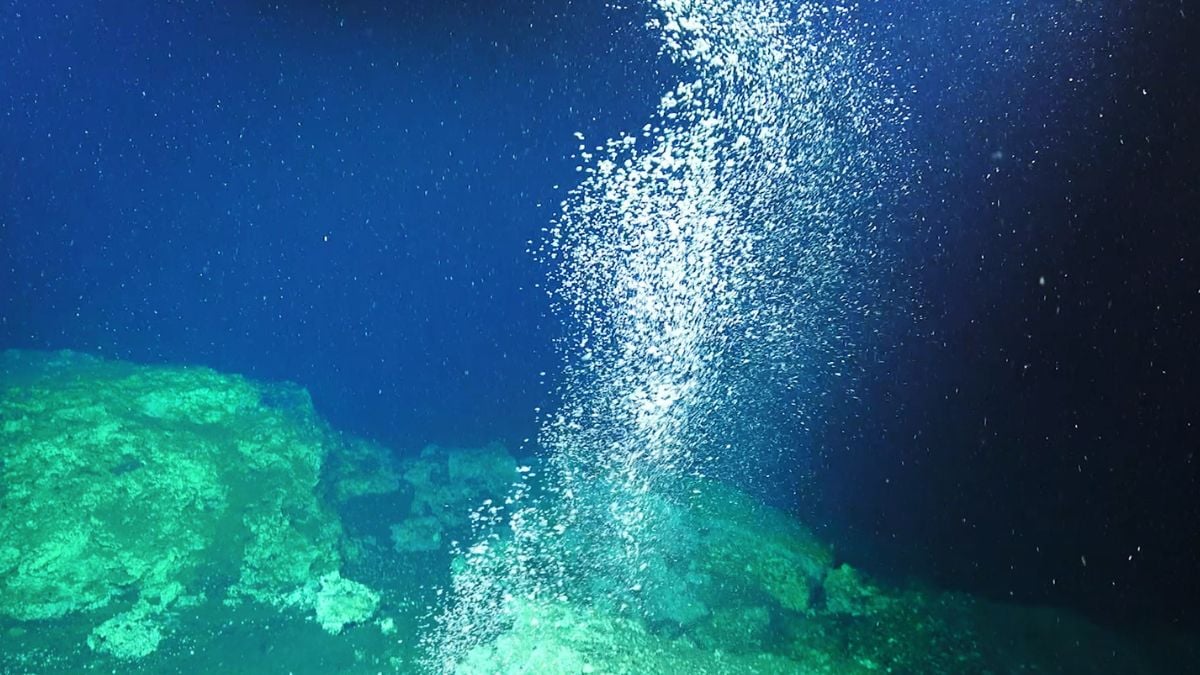
“`html
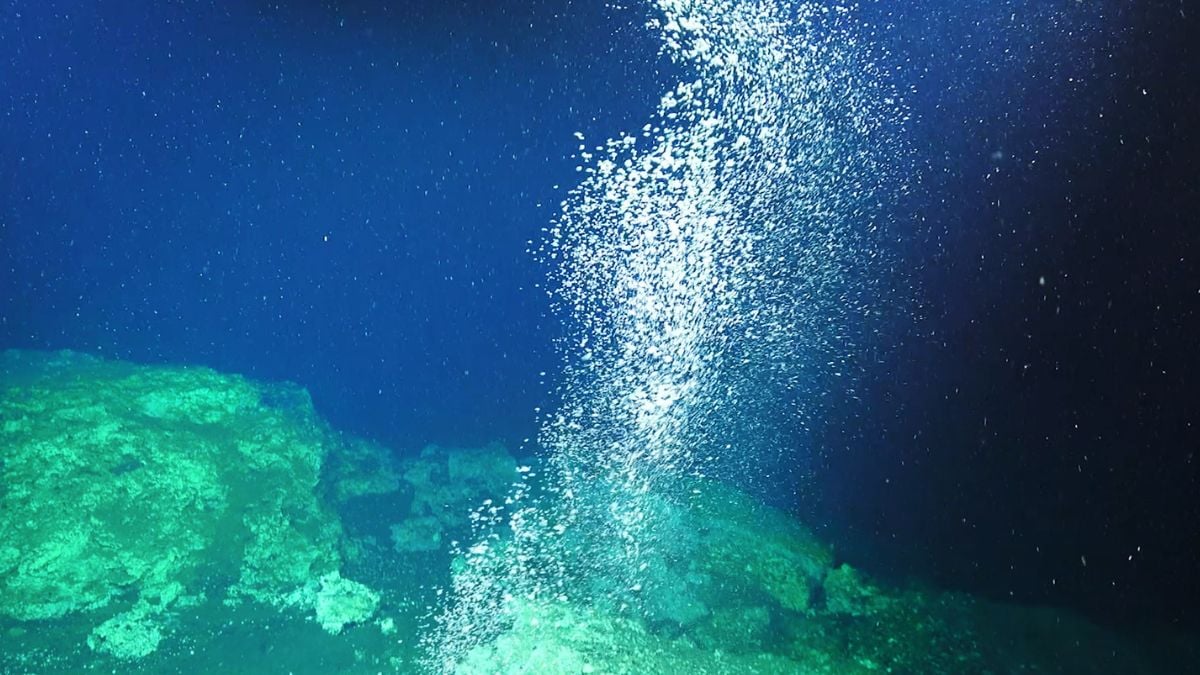
A drilling operation in the South China Sea accidentally released methane gas from beneath the seafloor in 2018. Chinese geologists working for the government’s survey agency attempted to seal the hole with heavy mud after completing their investigation into marine gas reserves, but the effort proved unsuccessful. Within a year, methane was rising over a kilometer through the water column in a substantial plume.
Rather than persisting for decades as scientists predicted, the leak underwent a remarkable transformation. Researchers documented how marine organisms colonized the area with unexpected speed, creating an ecosystem capable of consuming the escaping methane within one to two years. Methane-eating bacteria and archaea arrived first, followed by burrowing worms and crustaceans that established a dense community above the hole. As these organisms mixed the seafloor sediment, they facilitated the movement of oxygen and nutrients that further accelerated methane breakdown.
The findings highlight growing concerns about methane emissions from abandoned oil and gas infrastructure on the ocean floor. Studies have revealed that significant percentages of old wells leak methane into surrounding waters, with estimates suggesting thousands of tons annually escape from North Sea sites alone. The South China Sea faces particular risk, as the region has seen over 80 drilling evaluation wells completed over the past decade as part of efforts to develop commercial methane-hydrate extraction.
While the accidental leak demonstrates nature’s capacity for self-repair, scientists remain uncertain about long-term environmental consequences. Even contained underwater, methane surges can trigger oxygen depletion and ecosystem disruption in sensitive marine environments.
“`
Originally reported by Sciencealert →
About the Author